If you’re keeping an eye on portion calories
If you’re having the bar alongside a BackWerk snack, the energy content of the whole portion matters. A figure per 100 g alone doesn’t tell you how many kilocalories you’ll get from one bar.


If your protein bar is just an extra alongside your BackWerk lunch, compare the kilocalories in the whole bar first, rather than focusing on the prominent protein figure on the front. Then check the protein content, portion size, ingredients and allergens. A larger bar may provide more protein per serving, but it might not be the right fit for a small snack.
If you’re having the bar alongside a BackWerk snack, the energy content of the whole portion matters. A figure per 100 g alone doesn’t tell you how many kilocalories you’ll get from one bar.
If the amount of protein in your snack matters to you, compare the grams of protein and kilocalories per bar. Larger portions may contain more protein, but they’re not automatically a better addition to your lunch.
Check the ingredients and allergen information for the specific variety. A vegan recipe doesn’t necessarily mean a bar is free from wheat, soya or possible traces of other allergens.
First, check that the ingredients and allergen information meet your needs. Then compare the energy and protein content of the whole bar you’ll be eating.
| What to check | What to look for | Who it matters to |
|---|---|---|
| Energy per bar | Check the kilocalories and weight of the whole portion, especially if you’re having the bar alongside another food. | If I’m adding just a small snack to my BackWerk lunch, I want to know its energy content per bar. Around 36% of consumers make portion calories their main consideration. |
| Protein per portion | Compare the grams of protein per bar; percentages alone don’t tell you how many grams it contains. | For a handy snack on the go, a clearly stated amount of protein matters more to me than the smallest portion. Around 29% of consumers put this need first. |
| Sugar and sugar alcohols | Check the information on sugars and polyols, as well as the ingredients list and any warnings. | If I’m choosing a sweet bar, I pay particular attention to its ingredients and any information about sugar alcohols. Around 21% of consumers focus on this. |
| Vegan recipe and allergens | Check the ingredients and allergen information for the specific variety, including plant-based bars. | If I eat a vegan diet or need to avoid certain allergens, the specific recipe has to meet my needs. For around 14% of consumers, this check comes first. |
In a 50 g bar, 20% protein works out at 10 g of protein. The North Rhine-Westphalia Consumer Advice Centre points out that it’s easy to confuse percentages and gram amounts on the front of the pack.
Use the grams per whole bar when making a comparison.
This claim doesn’t tell you how much energy is in a portion. The weight and other ingredients also affect the kilocalories per bar.
Compare the kilocalories per bar alongside its portion weight and protein content, rather than choosing based on the no-added-sugar claim alone.
Some bars come with information about sugar alcohols and a warning that excessive consumption may have a laxative effect. Ingredients and possible allergen traces vary between products and varieties.
Check the current packaging for the variety you want, especially the ingredients list, allergen labelling and consumption advice.
An individually portioned bar can make a snack, but the protein claims don’t automatically make it a varied meal.
Before you buy, decide whether you want something to add to lunch or a meal in itself, then assess the bar using its full nutritional information.
The Protein+ Low in Sugar is a 35 g bar for anyone comparing smaller, individually portioned options.
The Designer Bar is aimed at anyone looking for a sweet bar with a stated protein content per portion.
Barebells’ classic and vegan bars differ in their recipes and sources of protein.
The own-brand range includes a Lower Carb Protein Riegel, sold in a pack of three 45 g bars.
This selection includes sweet bars and a savoury beef snack for when you’re out and about. If you’re buying a multipack, it’s worth comparing the nutritional information per individual bar.
 No image available
A sweet 50 g portion that could make an extra snack alongside lunch. Compare the nutritional information for the whole bar, and check the packaging for ingredients, sugar alcohols and allergens.
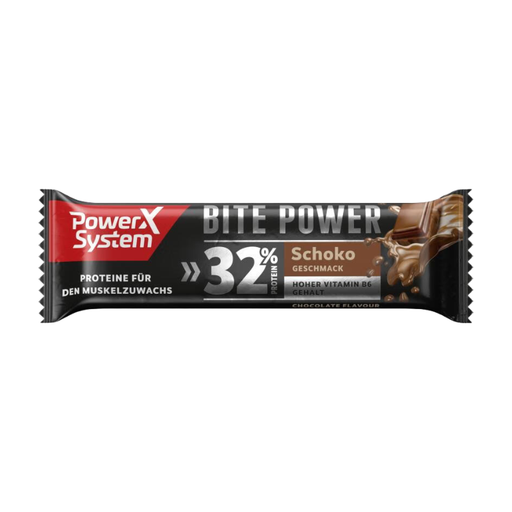 No image available
The 35 g portion could work as a small snack on the go. The protein figure in the title is a percentage, so check the pack for the grams of protein and kilocalories per bar.
 No image available
This multipack is handy if you want to take individual bars with you when you’re out and about. Compare the nutritional information per 45 g bar and check the ingredients and allergen labelling on the current pack, particularly for ingredients containing gluten.
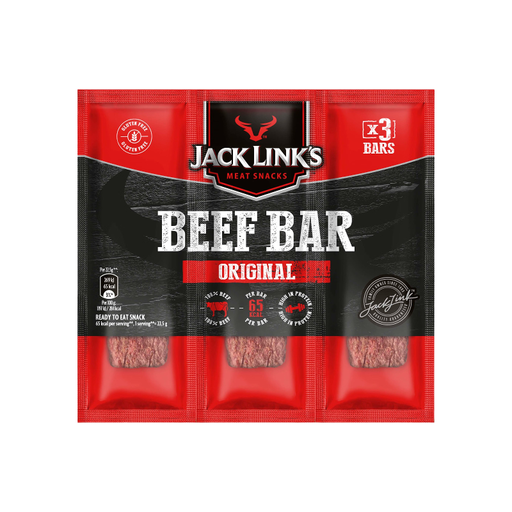 No image available
A savoury alternative if you don’t fancy a sweet bar. The pack contains three 22,5 g portions; compare the energy, protein and salt per portion using the information on the pack.
No. The no-added-sugar claim doesn’t tell you how much energy is in the bar. Compare the kilocalories in the whole portion and take its weight into account.
Compare the grams of protein in each whole bar, and check the portion size too. The North Rhine-Westphalia Consumer Advice Centre points out that percentages and grams can easily be confused: 20% protein in a 50 g bar works out at 10 g of protein.
On products that carry it, the warning indicates that excessive consumption may have a laxative effect. Check the ingredients list and warning for the specific variety; the Powerbar and ESN bars mentioned here contain the relevant ingredients or carry the corresponding warnings.
Don’t assume they’ll always be available. Ask at your local branch if you want to buy a bar there, or bring one you’ve bought separately for your lunch break.