Night shift workers who get hungry late
You want to take something small for the second half of the night without turning it into a meal. The DGE recommends a small snack rather than a meal during this part of the night.


When choosing a protein bar for the night shift, don’t focus on the protein figure alone. The portion size, nutritional information, ingredients and how well you tolerate it all matter. The German Nutrition Society (DGE) recommends choosing a small snack rather than a meal, particularly during the second half of the night. If you’re planning to have a bar around your training, count its protein as part of your overall daily diet – training doesn’t automatically mean you need extra protein.
You want to take something small for the second half of the night without turning it into a meal. The DGE recommends a small snack rather than a meal during this part of the night.
You want to include some protein after training or on your way to work. Your overall daily diet is what counts: a bar alone doesn’t prove that you need extra protein or that your recovery will improve, as the DGE and the consumer advice centre’s guidance on protein intake makes clear.
You need to check the ingredients, highlighted allergens and possible traces for every variety. Sugar substitutes may also be relevant if you have a sensitive stomach, as the consumer advice centre points out.
First, consider whether you want the bar to satisfy a little hunger during your shift or fit into your protein plan around training. Then check the exact portion size and ingredients list.
| What you’re looking for | What to check | Who it matters to |
|---|---|---|
| A small snack late in your shift | Compare the portion size, energy and fat per bar with the figures per 100 g. | If I only get hungry in the second half of the night, I want to plan for a small portion rather than a meal. This could be the main reason for choosing a bar for around 46% of consumers. |
| Protein around training | Check the protein per portion, the protein source and how it fits into your overall daily diet. | After training, I’m looking for a convenient protein boost without assuming that a bar tells me what my personal requirements are. This protein planning is likely to be the main priority for around 36% of consumers. |
| Ingredients and how well you tolerate them | Check the ingredients, highlighted allergens, possible traces and sweeteners used in each variety. | During a long shift, I want to avoid ingredients that could cause problems for me and take note of warnings about excessive consumption. This could be the main reason for choosing a bar for around 18% of consumers. |
A protein bar doesn’t prove that you have increased protein requirements or that your training results will improve. The consumer advice centre points out that extra protein isn’t automatically necessary, even for people who exercise.
Consider the protein in each bar as part of your overall daily diet rather than choosing based only on the figure on the front of the pack.
The DGE recommends small snacks rather than meals, particularly during the second half of the night. A bar also doesn’t replace the variety of a balanced diet.
Compare the portion size and plan to have a bar late in your shift as a snack only.
This claim doesn’t tell you the overall energy content. According to the consumer advice centre, consuming large amounts of sugar substitutes may have a laxative effect. Barebells also points out that its bars promoted in this way are not low-calorie or reduced-calorie.
Check the sugar, energy, sweeteners and serving guidance for the portion you’ll have. If you’re sensitive to certain ingredients, don’t try a new variety for the first time during a long night shift.
Ingredients and possible traces can vary between varieties. The Federal Office of Consumer Protection and Food Safety explains how key allergens are labelled in the ingredients list of pre-packed foods.
Before buying and eating a bar, carefully check the current packaging of the exact variety you want to take with you.
Barebells offers classic, soft and plant-based protein bars. According to Barebells, some varieties contain up to 20 g of protein per bar; this doesn’t apply to every variety.
Multipower offers smaller protein bars such as Protein Delight, as well as layered Protein Layer Bars. The ingredients vary from product to product.
Quest Nutrition offers Quest Bar varieties. Retailer nu3 lists whey and milk protein isolate as ingredients in one of its listed varieties.
This selection includes individually portioned bars for a snack during the night shift, as well as protein bars you can factor into your diet around training. The pack size and information for the specific variety matter more than the word ‘protein’ alone.
 Image unavailable
This 50 g single portion could suit you if you’re planning a small snack for your shift rather than a meal. Check the nutritional information and ingredients on the specific pack; the words ‘Sugar Free’ alone don’t tell you the energy content or how well you’ll tolerate it.
 Image unavailable
The product description says the pack contains twelve 55 g bars, making it suitable for planning individual snacks over several shifts. If you’re including it in your protein intake around training, compare the figures per bar with your overall daily diet and check the ingredients and allergens for this variety.
 Image unavailable
This variety, labelled ‘Vegan’, is available in a pack of twelve 55 g bars. If you’re specifically looking for a plant-based option, check the current ingredients and allergen information. For your protein planning, refer to the figure on the pack you have.
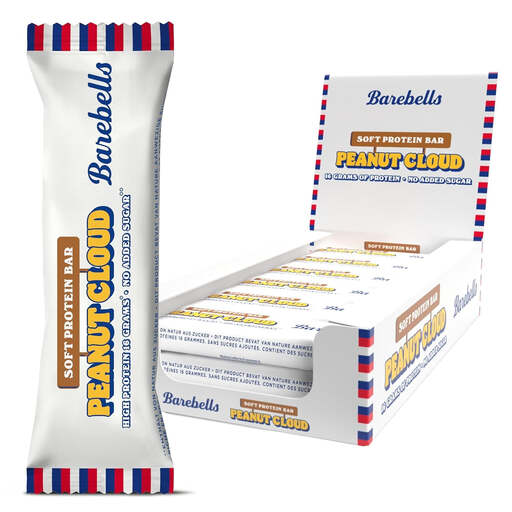 Image unavailable
According to the product description, this Soft variety is available in a pack of twelve 55 g bars. Check the portion size when planning it as a shift snack, and use the figure on the current packaging to plan your protein intake. For the Peanut Cloud variety, also check the ingredients and allergen information.
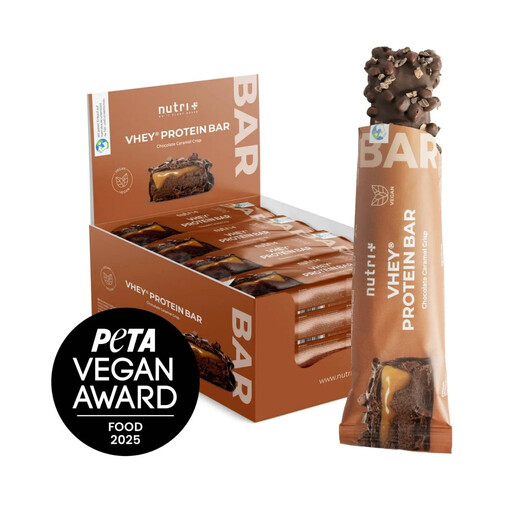 Image unavailable
The pack of twelve 50 g bars can be planned as individual snacks. If the protein source matters to you, don’t rely on ‘Whey’ in the product name: check the ingredients list and nutritional information on the current packaging before choosing the bar.
It’s best to plan a protein bar as a small snack rather than a complete meal replacement. The DGE recommends small snacks instead of meals, particularly during the second half of the night. A varied diet remains important for the rest of your food intake.
No. Training alone doesn’t mean you need an extra protein bar. The consumer advice centre points out that people who exercise can generally get their protein from ordinary foods, too. What matters is how the bar fits into your overall diet.
No. ‘No added sugar’ doesn’t mean a product is low in energy. Barebells specifically states that its protein bars promoted in this way are not low-calorie or reduced-calorie. So compare the nutritional information per bar and per 100 g.
Check the ingredients and possible traces on the current packaging for each individual variety. The Federal Office of Consumer Protection and Food Safety explains that key allergens must be highlighted in the ingredients list of pre-packed foods. A brand or variety name isn’t a substitute for checking.
According to the consumer advice centre, sugar substitutes may have a laxative effect when consumed in large amounts. Check the ingredients and warnings about excessive consumption for the specific variety. If you have a sensitive stomach, a long night shift isn’t the best time to try a new bar for the first time.