For a short lunchtime gap at the office, a protein bar can be a portion-controlled option, but its protein content alone doesn’t make it a meal replacement. Compare the protein in the bar you’ll actually eat, as well as its energy, sugar, ingredients and allergens. If you train intensively on a regular basis, count the bar as part of your total daily protein intake.
Who might benefit from a protein bar?
People who train and have a lunchtime gap
You want a portion-controlled protein option to hand at the office, without mistaking a bar for a full meal. If you train for more than five hours a week, the German Nutrition Society says that your daily protein requirements depend on your training status and goals.
Office snackers keeping an eye on portions
You’re looking for an individually portioned snack for the occasional lunchtime gap and want to compare bars of different sizes using their nutritional information.
Shoppers with specific ingredient requirements
You check whether the protein sources, declared allergens and sweeteners in each variety suit your dietary requirements and tolerance.
What should you look for when choosing one?
First decide what you want the bar to do during your lunchtime gap. Then compare the portion you’ll actually eat and check the ingredients in the specific variety.
| What matters |
What to check |
Who it matters most to |
| Protein portion |
Check the protein in grams per bar; convert figures per 100 g to the same portion size before comparing. |
If I take my training into account when planning my daily diet, I want to know how much the bar I actually eat contributes. Around 42% of consumers put this protein consideration first. |
| Lunchtime gap |
Check the portion size, as well as the energy and sugar figures for the specific variety. |
On a busy day at my desk, I need a handy snack, but I don’t want to treat it as lunch just because it has protein on the front. For around 33% of consumers, this lunchtime question is the main consideration. |
| Ingredients and tolerance |
Check the ingredients list, highlighted allergens and sweeteners used. |
If I need to avoid certain ingredients or am sensitive to sugar alcohols, the specific recipe will determine my choice. This is the main concern for around 25% of consumers. |
Common comparison mistakes
-
Confusing protein percentage with grams per bar
In a market check by the North Rhine-Westphalia Consumer Advice Centre in November 2025, 28 of the 38 protein snacks reviewed used a standalone protein claim. The front of the pack showed either a quantity in grams or a percentage, so the portions weren’t directly comparable.
Read the nutritional information per 100 g and check how much protein is in the bar you actually plan to eat.
-
Treating the protein claim as the whole story
A prominent protein figure doesn’t tell you about the overall nutritional profile or whether the bar is suitable as lunch. Sugar, energy and ingredients matter too.
Compare the nutritional information and ingredients list for the specific variety, rather than relying only on the claim on the front of the pack.
-
Choosing sweeteners without checking the ingredients
According to the Consumer Advice Centre, sugar alcohols can have a laxative effect and cause bloating when consumed in large quantities. This is particularly relevant if you already know you’re sensitive to them.
Check the ingredients and warnings on the individual pack, and if you know you’re sensitive, choose a recipe that suits you.
Brands and product ranges to consider
Sportness
dm’s own-brand range includes protein bars with different protein percentages, including varieties with 24%, 30%, 34%, 50% and 60%.
- The varieties can be distinguished by their stated protein percentages.
- Protein percentage, bar size and ingredients vary by variety; a percentage doesn’t tell you the amount of protein per bar.
Barebells
The brand’s German dm range includes several 45 g protein bars, including Pistachio Spread, Chocolate Spread and Hazelnut Spread.
- The named varieties and portion sizes make it easier to compare products within the range.
- Nutritional values, ingredients and allergens need to be checked for each variety.
PowerBar
The brand’s German dm range includes 30% Natural Protein and 40% Protein+, both listed as 40 g bars.
- The product names indicate different protein percentages.
- A higher percentage alone doesn’t tell you how much protein is in the portion you actually eat.
KoRo
The brand’s German dm range includes vegan protein bars in a 55 g format, including Chocolate Brownie and Deluxe varieties.
- The varieties clearly labelled as vegan offer a straightforward point of comparison.
- A vegan label doesn’t replace checking allergens or comparing nutritional values.
HEJ
The brand’s German dm range includes vegan protein bars in different formats, including Crispy Double Chocolate and Pro Strawberry & Yogurt.
- The listed varieties let you compare different portion sizes.
- Check the protein per bar, as well as the ingredients and allergens, for the variety you choose.
Protein bars for the lunchtime gap at Joybuy
These portion-controlled protein bars could work as a snack during a lunchtime gap at your desk. The right variety depends on portion size, ingredients and what you need from your meal as a whole.
 No image available
Barebells Vegan Protein Bar Peanut Caramel, 12 × 55 g
An individually portioned bar for a snack break at your desk. The product name lists twelve 55 g bars and labels the variety as Vegan; check the ingredients and allergens on the specific pack.
The highlighted protein claim and the nutritional information give different figures for the amount of protein per bar. For portion comparisons, rely on the information on the pack.
View at Joybuy
 No image available
Corny Protein Crunchy Vanilla & White Choc, 12 × 45 g
The twelve individually portioned 45 g bars are handy to keep for the occasional lunchtime gap. The product name states 30% protein; to compare the portion you eat, check the protein per bar on the pack.
If allergens or sweeteners are important to you, read the ingredients list for the specific variety.
View at Joybuy
 No image available
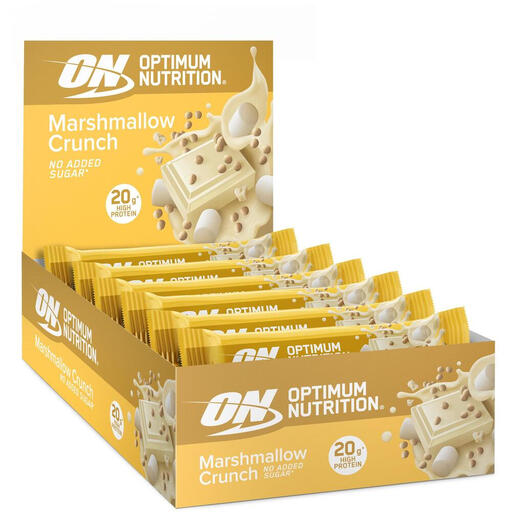
Optimum Nutrition Protein Bar Marshmallow Crunch, 10 × 65 g
The pack of ten 65 g bars offers individual portions for snack breaks across several days. If you’re including a bar in your daily protein intake, check its nutritional values alongside the energy and sugar figures on the pack.
Also check the ingredients and allergen information for the specific variety.
View at Joybuy
 No image available
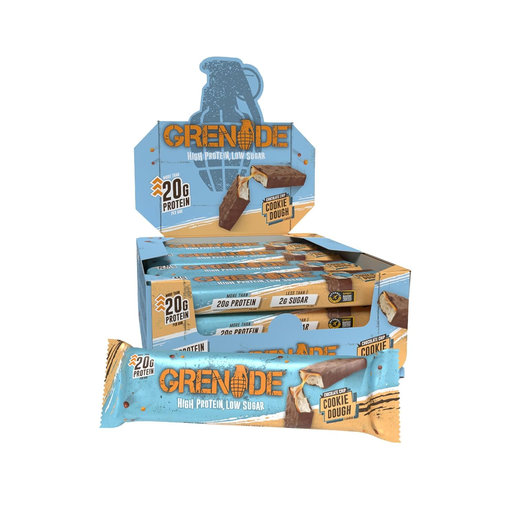
Grenade Carb Killa Choc Chip Cookie Dough, 12 × 60 g
The product name lists twelve 60 g bars, making this a portion-controlled option for a snack at your desk. Compare sugar, energy and protein using the nutritional information on the specific pack.
If you’re sensitive to sugar alcohols, check the ingredients and warnings before choosing.
View at Joybuy
 No image available
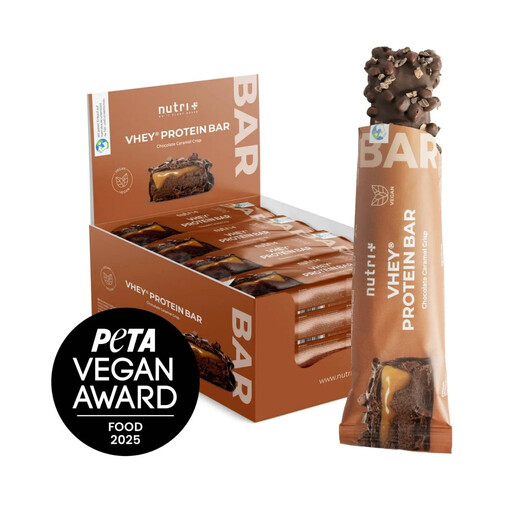
Nutri+ Whey Protein Bar Chocolate Caramel Crisp, 12 × 50 g
The pack of twelve 50 g bars provides individual portions for snack breaks. If the protein source matters to you, check the specific pack especially carefully: the term Whey in the product name doesn’t clearly match the plant-based recipe described.
Also refer to the nutritional information and declared allergens on the pack when making your choice.
View at Joybuy
Frequently asked questions
Can a protein bar replace lunch at your desk?
Not on the basis of its protein content alone. A bar can help bridge a short lunchtime gap; whether it fits into your planned meal depends on portion size, energy, sugar and ingredients.
How do I compare protein bars of different sizes?
Start by comparing the protein in grams per bar you’ll actually eat, and use the nutritional information per 100 g as a common basis. Protein percentages on the front of the pack and grams of protein per portion are different measures.
Is a vegan label enough if I have an allergy?
No. Check the ingredients list and highlighted allergens on the specific pack. A vegan product label doesn’t replace this check.
Why do some bars warn against excessive consumption?
This warning may be linked to sugar alcohols, which the Consumer Advice Centre says can have a laxative effect and cause bloating when consumed in large quantities. Check the ingredients and warnings especially carefully if you’re sensitive to them.
Do I automatically need a protein bar for recreational sport?
No. Being active doesn’t automatically mean you need a protein bar. The German Nutrition Society takes factors including training volume, training status and goals into account when considering protein requirements, so assess a bar as part of your overall diet.


