People shopping for training
If you want to take a bar with you for after your workout or between appointments, compare the stated grams of protein per serving. You don’t automatically need a bar just because it contains extra protein.


When comparing protein bars for training or a long day at Oktoberfest, start by checking the stated protein content per bar, rather than relying on the words “High Protein” alone. Portion size and ingredients also matter when you’re on the go; if you’re vegan or have allergies, check the information for the specific variety.
If you want to take a bar with you for after your workout or between appointments, compare the stated grams of protein per serving. You don’t automatically need a bar just because it contains extra protein.
For a long day out, a handy individual portion and easy-to-read nutritional and ingredient information are useful things to consider.
If you shop vegan or need to watch out for allergens and sweeteners, check the information for each variety individually. The brand name and the front of the pack aren’t enough.
First decide which feature matters most to you. Then compare the nutritional information per bar and check the ingredients of the specific variety.
| Criteria | What to check when buying | Who it matters most to |
|---|---|---|
| Protein per bar | Compare the grams of protein per serving with the bar’s weight; don’t confuse percentages per 100 g with the amount in an individual portion. | After training, I want to know how much protein is in the bar I’m actually eating. Around 33% of consumers put the protein content per bar first. |
| Ingredients and allergens | Check the protein source, highlighted allergens and any ‘may contain’ information for the specific variety. | If I shop vegan or need to avoid certain ingredients, the recipe is key to my choice. This is the priority for around 27% of consumers. |
| Sugar and sweeteners | Check the sugar per bar, as well as maltitol, other sweeteners and information on the packaging. | For a long day out, I don’t want to choose a bar just because it has a low sugar figure without checking its ingredients. Around 20% of consumers prioritise sugar and sweeteners. |
| Portion and shopping | Check whether it’s a single bar or multipack, and whether it’s currently available from your preferred retailer. | I want to pack a bar for when I’m out and make sure I get the right pack size in time. For around 20% of consumers, this practical consideration comes first. |
EU Regulation (EC) No 1924/2006 makes this nutrition claim conditional on at least 20% of a food’s energy value coming from protein. It does not set a standard number of grams per bar.
Compare the nutritional information per serving and the bar’s weight before judging products by their protein content.
A low sugar figure doesn’t rule out sweeteners. The Verbraucherzentrale (consumer advice centre) notes that they can have a laxative effect in larger quantities.
Read the ingredients and follow the consumption advice for the specific product, especially if you’re planning to take the bar on a long day out.
Ingredients and ‘may contain’ information vary by variety. For example, the MAX BALANCE White Chocolate-Vanilla bar described by EDEKA contains milk and soya, and may contain traces of other allergens.
Check the current packaging for the specific variety every time you buy it.
A bar shown on a retailer’s website may not be available at the store you want. EDEKA explicitly notes that its MAX BALANCE bar may not be available in every store.
Check availability at your chosen location if you need the bar for a particular day.
If that variety isn’t available, finding an alternative could take extra time.
REWE sells protein bars under its PWR range, including White Chocolate Crisp, a 45 g bar.
The Chocolate Caramel bar described by REWE is aimed at shoppers who want to compare protein and sugar figures per individual bar.
The range includes the High Protein Nougat bar, sold in a pack of three 45 g bars.
KoRo offers a variety described as vegan: the Vegan Protein Bar Deluxe Raspberry Choc.
EDEKA’s MAX BALANCE range includes a protein bar with a white chocolate and vanilla flavour.
These protein bars could work as individually portioned snacks when you’re out and about or around your training. Compare each variety and pack size with your main buying criteria; the selection isn’t ranked by overall suitability.
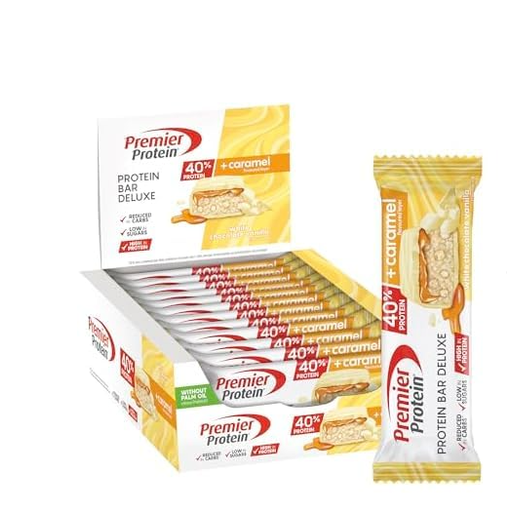 No image available
This multipack is handy if you want to plan individual bars for several days. If you need to avoid milk or soya, or are keeping an eye on sweeteners, check the ingredients and information on the pack.
 No image available
This single 40 g bar is a good option if you’re choosing by portion size for when you’re out and about. For this variety, check the information about milk, soya and possible traces of other allergens, as well as the warning about excessive consumption.
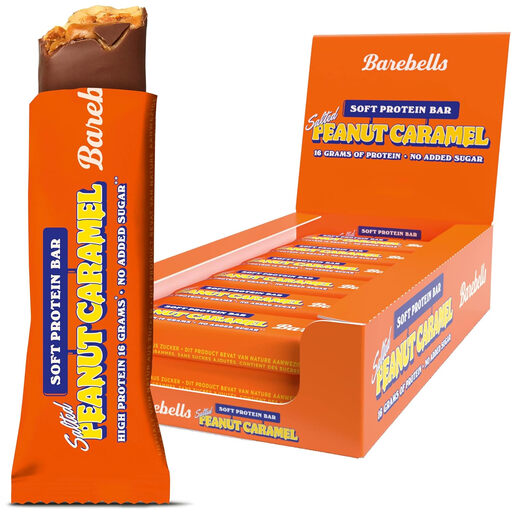 No image available
This multipack lets you prepare individual bars to take with you for a long day or several appointments. This variety contains peanuts and milk ingredients; check the other ingredients and consumption advice on the pack too.
 No image available
The individually wrapped bars in this pack can be spread over several days. For this variety, milk, soya and hazelnuts are particularly important to consider, along with the information about sweeteners.
 No image available
This multipack gives you individually portioned bars for a longer day or several appointments. Peanuts, milk and soya are particularly worth noting for this variety; also check the sugar content per bar on the pack.
Under EU Regulation (EC) No 1924/2006, this claim can be used if at least 20% of the food’s energy value comes from protein. It doesn’t mean the bar contains a specific amount of protein; check the nutritional information per serving for that.
A protein bar isn’t essential. The Verbraucherzentrale (consumer advice centre) notes that products with extra protein are often unnecessary, even for people who are physically active. If you choose a bar as a snack, compare its portion size and ingredients rather than assuming that training means you need one.
A low sugar figure doesn’t rule out sweeteners such as maltitol. According to the Verbraucherzentrale, these can have a laxative effect in larger quantities, so check the ingredients list and information on the specific pack.
No. A vegan recipe doesn’t mean a bar is free from allergens that matter to you: for example, KoRo lists soya protein in its Vegan Protein Bar Deluxe Raspberry Choc. Check the ingredients, highlighted allergens and ‘may contain’ information for the specific variety.