Anyone keeping an eye on portion size
You want a bar to take with you, with an energy content that suits the portion you’ll actually eat. To work this out, you need to know both the bar’s weight and its calories per 100 g.


If you’re looking for a protein bar at an organic shop to enjoy as a smaller snack, start by comparing the calories in the bar you’ll actually eat, then check the figures per 100 g. A smaller bar may contain less energy per serving, but that doesn’t automatically mean it’s low in sugar or particularly high in protein. So check the ingredients and allergens for the specific variety, too.
You want a bar to take with you, with an energy content that suits the portion you’ll actually eat. To work this out, you need to know both the bar’s weight and its calories per 100 g.
You check the ingredients in the specific variety and may need to avoid peanuts, other nuts, sesame or other allergens. An organic or vegan label doesn’t replace checking the ingredients and allergen information.
You’re looking for a portioned snack and want to know how much protein is in each bar. However, the protein figure alone won’t tell you whether its energy content suits your snack plan.
Start with the bar’s weight and energy per portion. Then compare the protein, sugar and ingredients in the varieties you’re considering.
| Criteria | What to check when buying | Who it matters to |
|---|---|---|
| Energy per portion | Compare the calories per bar and per 100 g, along with the bar’s weight. | If I’m planning a small snack, the energy in the portion I’ll actually eat matters most to me. Around 36% of consumers would put energy per portion first. |
| Organic, ingredients and allergens | Check for the EU organic logo and control body code, as well as the ingredients and allergen information for the specific variety. | If I follow a plant-based diet or have an allergy, the specific variety needs to meet my requirements; around 29% of consumers would prioritise this. |
| Protein per bar | Compare the protein per portion with the energy it provides. | When I’m out and about, I want to know how much protein is in the bar I eat, rather than relying on the product name alone. This would be the main reason for buying for around 21% of consumers. |
| Sugar and recipe | Compare the sugar per 100 g and per bar, as well as the ingredients list. | If what’s in the bar matters more to me than a protein claim on the packaging, I check the sugar figure too; around 14% of consumers would look at this first. |
Figures per 100 g make it easier to compare different products, but they don’t tell you how much energy you’ll get from a whole bar. At dm-drogerie markt, KoRo’s 60 g hazelnut bar is listed at 474 kcal per 100 g – which works out at around 284 kcal per bar.
So check the bar’s weight as well, and, if needed, work out the calories in your portion using the figure per 100 g.
The protein figure doesn’t tell you how much energy, sugar or fat is in a portion. A bar may be worth considering when comparing protein, yet still not suit the portion size you’re looking for.
Check the nutrition information as a whole and compare like with like.
Plant-based bars can still contain peanuts, hazelnuts or other ingredients you may need to avoid. Allergen information can also vary between varieties from the same brand.
Before buying, read the ingredients and allergen information on the pack of the variety you’ve chosen.
The details below apply to specific varieties. Compare their portions and recipes rather than assuming the figures apply to every bar from a brand.
The organic Nuts & Vanilla bar combines dates and pea protein in a 40 g portion.
The peanut protein bar is a single-serve 45 g option.
The Salted Peanut Protein Bites variety is an organic option with pea protein and a nut butter filling.
The vegan hazelnut protein bar is a 60 g variety with nuts and chocolate pieces.
These Joybuy bars come in two different portion sizes for you to compare as snacks. If organic certification is a must for you, check for the EU organic logo and control body code on the relevant pack before deciding.
 No image available
If you’re planning to have one bar as a snack, compare the nutrition information for the 50 g portion with your other options.
If you have a milk or soya allergy, or questions about the sugar alcohols it contains, check the ingredients list and information on the pack.
 No image available
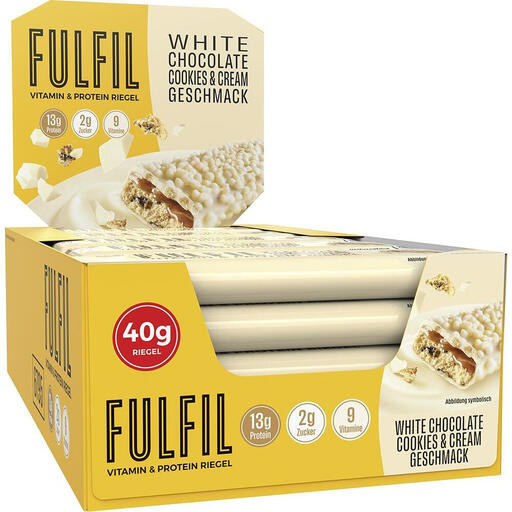
If you’re comparing individually portioned bars, base your comparison on one 40 g bar, not the full 600 g pack.
If you have a milk intolerance or allergies, check the ingredients and allergen information for this variety. Also follow the pack guidance on consuming larger quantities.
No. The protein figure doesn’t tell you how many calories you’ll get from a bar. Compare its weight and calories per bar; if the portions differ in size, the figure per 100 g can help, too.
Check the pack of the specific variety for the EU organic logo and the organic control body code. The Verbraucherzentrale explains both labels for packaged organic foods; green packaging alone is no substitute for checking the certification.
You can’t tell just from the fact that a bar contains dates. For Lifebar Nuts & Vanilla, the organic food retailer Naturpur lists 42 g of sugar per 100 g. For every variety, compare the sugar per 100 g and in the portion you plan to eat.
No. The Verbraucherzentrale describes the Nutri-Score as a voluntary label for comparing similar product groups. You should also check the ingredients, allergens, portion size and nutrition information for the bar.
No, you don’t need a protein bar just because it contains protein. If an individually wrapped portion matters to you, compare it with other snacks using the details that matter for your shop. The Verbraucherzentrale points out that you can also get protein from everyday foods.