
Lieferung heute & morgen

Qualitätsgarantie

Willkommens-Angebote freischalten: KOSTENLOSE Lieferung | Bis zu 80 % RABATT | Kostenlose 30-Tage-JoyPlus-Testphase
App herunterladen
Protein powder can help top up your daily protein intake, but it’s no substitute for a varied diet. When choosing a product, don’t rely solely on well-known brands, eye-catching packaging or claims such as “fast absorption”. What matters is the ingredient list, nutritional values, serving size and intended use.
“25 g of protein per serving” sounds clear enough at first. But a serving could contain 25, 30 or 40 g of powder – or even more than 300 g for a mass gainer. For a fair comparison, protein content per 100 g is more useful. You should also check how many servings the pack actually contains.
Whey protein comes from milk and is often used in shakes after training. Multi-source protein, by contrast, combines different sources such as milk, whey, soya or egg. Vegan protein powder, for example, may be made from soya, peas or sunflower seeds.
These products have different ingredient profiles, so they aren’t directly comparable. If you have a milk or soya allergy, the allergen information matters more than the flavour. The term BCAA protein doesn’t automatically describe a product in its own right either: BCAAs are branched-chain amino acids that can occur naturally in whey.
A typical protein shake often provides around 100 to 150 kcal per serving, depending on the powder and liquid used. A mass gainer, on the other hand, can contain over 1,000 kcal per serving and provide large amounts of carbohydrates. This may suit people with higher calorie requirements, but it’s a significant difference if you’re watching your calorie intake.
Also check for sweeteners, thickeners, flavourings and added ingredients such as creatine or vitamins. If a product is labelled creatine protein, it should be clear how much protein and how much creatine each serving contains.
If you have any intolerances, check the ingredients and allergen lists for milk, lactose, soya, egg and cereals containing gluten. Always refer to the information on the product packaging.
Compare at least the following:
How you prepare it also affects the nutritional balance: water adds fewer calories than milk or a plant-based drink.
Smaller packs, such as 300 or 450 g, are useful if you want to try a flavour first. Larger tubs of 2 or 3 kg can be practical if you use protein powder frequently, but they tie up more of your money and need to be stored somewhere dry, with the pack sealed tightly.
To compare value for money, divide the purchase price by the actual number of servings. A sample pack with several flavours can help you avoid buying something you don’t like. When choosing a protein shake, also consider how easily the powder mixes, the recommended amount of liquid and whether you can add it to porridge, smoothies or baking recipes.
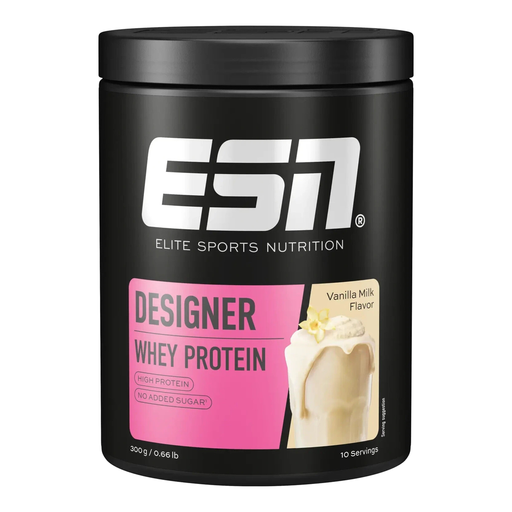
Why this product suits this profile: The 300 g pack is a manageable size and gives you the chance to try a whey recipe. According to the product information, a 30 g serving provides 28.2 g of whey protein blend.
The smaller pack reduces the risk of buying a large supply in a flavour that doesn’t suit you. Milk and soya are listed as allergens.
Whey concentrate and whey isolate; according to the product description, 75 g of protein per 100 g. Mix with water or low-fat milk.
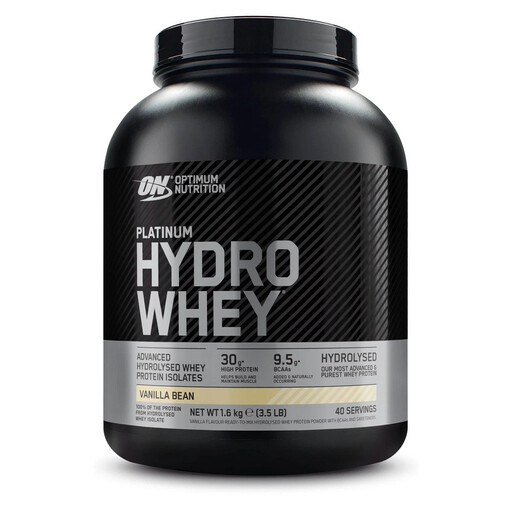
Why this product suits this profile: This product is aimed at adults who prefer clear information about the protein and BCAA content per serving.
The nutritional information lists 30 g of protein and 8.8 g of BCAAs per 40 g serving. This makes it easy to assess the protein content separately from the serving size.
Hydrolysed whey protein isolate; according to the product information, 140 kcal, 0.7 g of fat and 2.0 g of carbohydrates per serving.
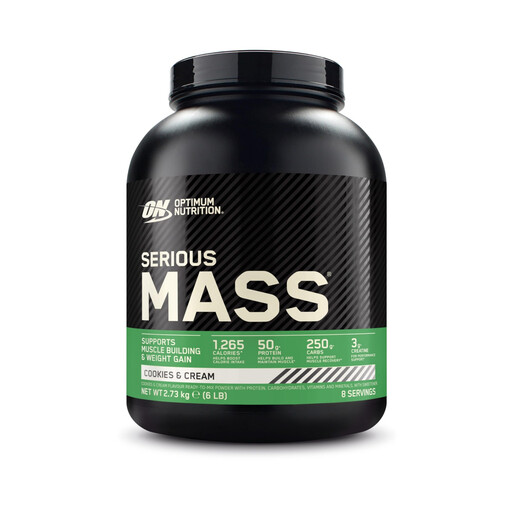
Why this product suits this profile: This mass gainer is designed to provide plenty of calories and carbohydrates. You can use it between meals or after intense exercise.
The large serving size of around 340 g makes the calorie content clear. This helps you avoid mistaking a gainer for an ordinary protein shake.
According to the product information, each serving contains more than 1,250 kcal, 50 g of protein and over 250 g of carbohydrates, plus 3 g of creatine.
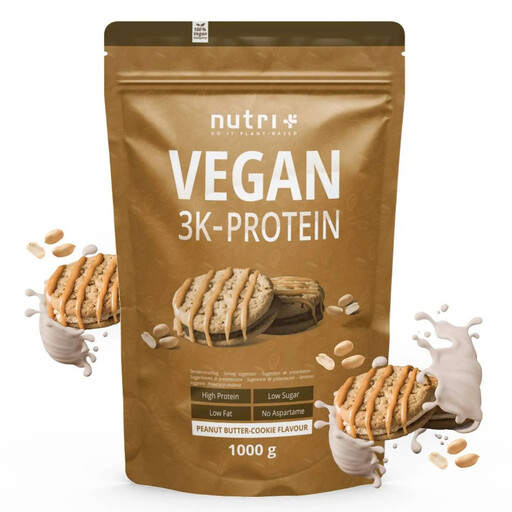
Why this product suits this profile: The blend of soya, pea and sunflower protein is aimed at adults who want to add a plant-based protein powder to their daily routine.
The three protein sources are clearly named in the ingredients list, making it easy to compare the blend objectively with a whey-only product.
According to the product description, a 30 g serving provides 24 g of protein. The recommended preparation uses 350–400 ml of liquid.
We’ve put together a complete, regularly updated list of products that meet these strict selection criteria and fully comply with the safety regulations in force in the EU.
The right amount depends on your overall diet, body weight, activity levels and personal goals. First, check how much protein you already get from everyday foods. Then follow the product’s recommended serving guidance and don’t exceed the stated daily dose. If you have a medical condition, take medication or have specific dietary requirements, it’s worth speaking to your doctor.
A protein shake after a workout can be a convenient way to top up your protein intake, but you don’t have to take it within a particular time window. What matters is your total daily intake as part of a balanced diet. Depending on your routine, you can also have protein powder in the morning, between meals or as part of a meal.
Always follow the best-before date and the manufacturer’s instructions on the packaging. Once opened, store the powder in a cool, dry place, away from light, and keep the pack tightly sealed. Always use a dry scoop and discard the product if it develops an unusual smell, becomes damp or shows visible changes. Products such as multi-source protein or vegan protein powder may have additional guidance on how long to use them after opening.