People with a specific protein target
You want to plan tortilla chips as a snack and know how much protein your portion actually contains. The nutritional information per 100 g and the pack size are more useful than the product name alone.


If you want tortilla chips to make a deliberate contribution to your protein intake, compare protein and energy per 100 g, then work out the figures for your portion. More Nutrition lists 32 g of protein per 100 g for its Protein Tortilla Chips; the classic own-brand options from ALDI SÜD and EDEKA considered here contain 7.8 g and 6.6 g respectively. Classic tortilla chips can still be a good choice for an occasional snack – they simply serve a different purpose.
You want to plan tortilla chips as a snack and know how much protein your portion actually contains. The nutritional information per 100 g and the pack size are more useful than the product name alone.
You want to enjoy classic tortilla chips on their own or with a dip, rather than relying on them to provide a specific amount of protein. In that case, you can weigh up the flavour, pack size and nutritional information for the variety you choose.
You want to check the salt content, ingredients or potential allergen traces before buying. Always refer to the labelling on the specific pack, rather than making general assumptions about corn-based tortilla chips.
First decide whether you want the chips to provide a specific amount of protein or simply to be a snack. Then compare nutritional values on the same basis and check any information that matters for your choice.
| What to consider | What to check | Who it matters most to |
|---|---|---|
| Protein content | Compare protein and energy per 100 g, then work out the protein in your planned portion. | If I want my chips to contribute a specific amount of protein to my snack, I want to know how much is in each portion. This is the main priority for around 50% of consumers. |
| Pack size and serving | Compare the pack size and nutritional information per 100 g with the portion you plan to eat. | When sharing a snack, I want a suitable pack size without relying on the chips as a source of protein. This is the main priority for around 30% of consumers. |
| Ingredients, allergens and salt | Check the ingredients, allergen trace warnings and salt per 100 g on the current pack. | If I need to avoid certain ingredients or keep an eye on my salt intake, I need the information for the specific variety. This check takes priority for around 20% of consumers. |
Information per 100 g doesn’t tell you how much protein you’ll get from your usual portion. Energy is also worth comparing if you’re planning to include the chips as part of your diet.
Check the protein and energy figures in the nutritional information, then work out the protein content for the amount you actually plan to eat.
Alongside 32 g of protein, More Nutrition lists 3.3 g of salt per 100 g for its Protein Tortilla Chips. A higher protein content doesn’t make the other nutritional values any less important.
Compare the salt content per 100 g and take your intended portion into account, rather than focusing only on the protein figure.
Chio’s Tortillas Salted may contain wheat; possible traces of soya are listed for EDEKA GUT&GÜNSTIG salted tortilla chips. The fact that they’re corn-based doesn’t answer the question of allergens.
Check the ingredients and allergen trace warnings on the current pack for each variety. Don’t assume that the information for one flavour applies to another.
The information below applies to the specific products or ranges mentioned, not to every tortilla chip made by each brand.
Protein Tortilla Chips for people who want to check a snack’s protein content using its nutritional information.
Classic salted tortilla chips in a 300-g pack.
Salted tortilla chips from EDEKA’s own-brand range, in a 300-g pack.
Tortillas Salted are classic corn tortillas to enjoy on their own or with a dip.
A range of tortilla chips from various brands and own-brand labels.
This selection features classic, boldly flavoured tortilla chips for snacking. If you’re choosing chips specifically for their protein content, compare the nutritional information on the pack with that of a protein product.
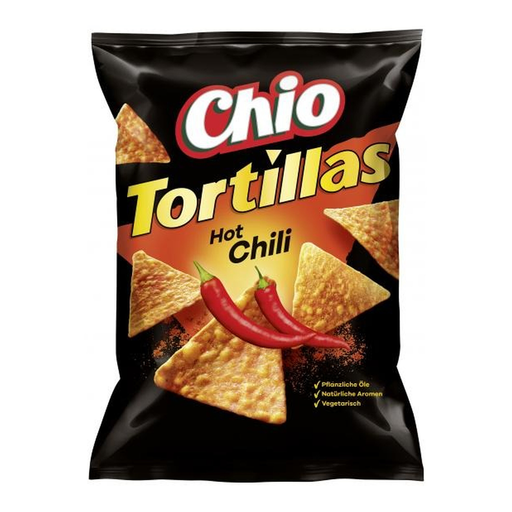 Image unavailable
A good option if you’re after spicy tortilla chips to snack on rather than a snack designed to provide protein.
The pack contains 110 g. Check the nutritional information for your planned portion and, if you have allergies, check the ingredients and allergen trace warnings on the current packaging.
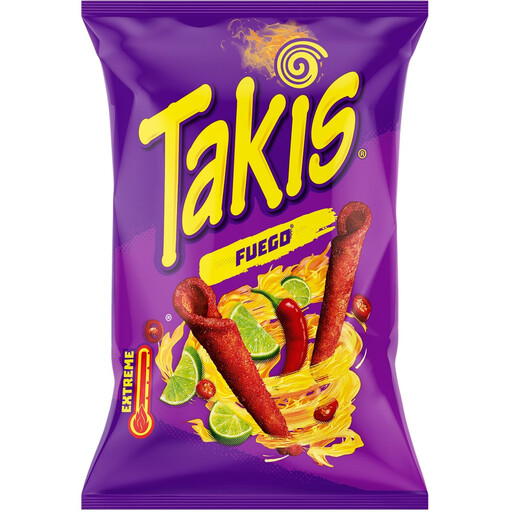 Image unavailable
An option for anyone looking for boldly seasoned tortilla chips to snack on, without expecting them to provide a specific amount of protein.
The product description says the chips are heavily seasoned and advises against giving them to young children. If you have allergies, check the information on the current pack.
No. To understand what’s in your portion, you should compare energy and salt as well as protein. Work out the figures per 100 g for the amount you plan to eat. That way, a high figure on the pack won’t give you a misleading impression of how much protein one portion provides.
Not if you’re choosing chips to provide a specific amount of protein: ALDI SÜD lists 7.8 g of protein per 100 g for SUNSNACKS salted tortilla chips, EDEKA lists 6.6 g for GUT&GÜNSTIG salted tortilla chips, and More Nutrition lists 32 g for its Protein Tortilla Chips. If you’re simply looking for an occasional snack, you can choose a classic variety based on its flavour, portion size and other nutritional values.
Read the ingredients and allergen information on the current pack for the variety you’re buying. Chio lists possible wheat traces for Tortillas Salted; possible soya traces are listed for EDEKA GUT&GÜNSTIG salted tortilla chips. You can’t determine this information from the brand or the fact that the chips are corn-based alone.