
Lieferung heute & morgen

Qualitätsgarantie

Willkommens-Angebote freischalten: KOSTENLOSE Lieferung | Bis zu 80 % RABATT | Kostenlose 30-Tage-JoyPlus-Testphase
App herunterladen
Prunes, also known as dried plums, are more than just an ingredient for holiday baking. They serve as a convenient, high-fibre snack, a natural sweetener in muesli and yoghurt, or a flavourful component in savoury dishes. However, the market offers a wide variety, from all-natural fruits to sweet and sour seasoned options.
This guide is designed to help you understand the different types of prunes and make an informed purchasing decision. We will outline objective criteria and present a selection of products with diverse characteristics.
To find the right product for your needs, a few key features can help guide your selection.
Most commercially available dried plums are already pitted. This offers a clear advantage in terms of convenience. Pitted fruits are ready to eat right away and can be used in recipes without any extra prep. They are a safe choice for households with children. Prunes with pits are less common and require you to manually remove the pit before eating or cooking.
A key differentiator is the sugar content. Prunes with no added sugar contain only the fructose naturally present in the fruit. These products are ideal for a health-conscious diet, for baking, or as a pure fruit ingredient.
Other varieties, particularly from the Asian snack market, are enhanced with added sugar, salt, and spices. This creates a complex, often sweet-and-sour flavour profile. The nutrition facts and ingredients list on the packaging provide detailed information.
The origin of the plums (e.g., from California, Chile, or France) and the drying method influence both texture and flavour. Some products are labelled as "soft prunes"; they undergo a process that gives them a particularly soft and juicy consistency. Classic baking prunes are often firmer in texture. Your choice depends on whether you prefer a tender fruit for snacking or a more robust prune for cooking.
Here is a curated list of different prune products that cater to various tastes and uses.
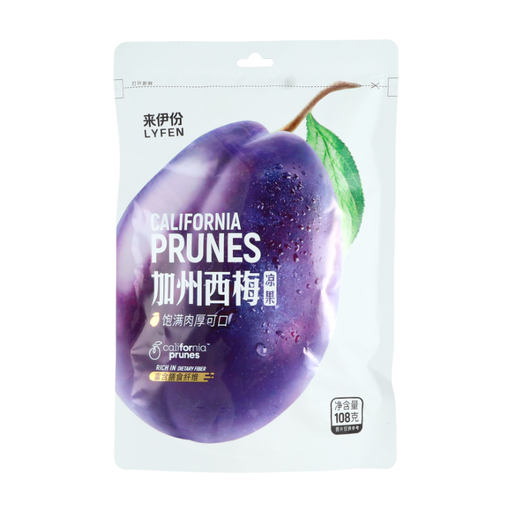
Why It Stands Out: This product offers an Asian-style take on the Californian prune. The fruits are specifically processed into a sweet-and-sour snack, making them distinctly different from classic European dried plums. The individual packets inside the bag make them a convenient healthy snack for on the go.
Pros:
Who It's For: Those who appreciate the sweet-and-sour taste of Asian snacks and are looking for a convenient, portion-controlled option for snacking.
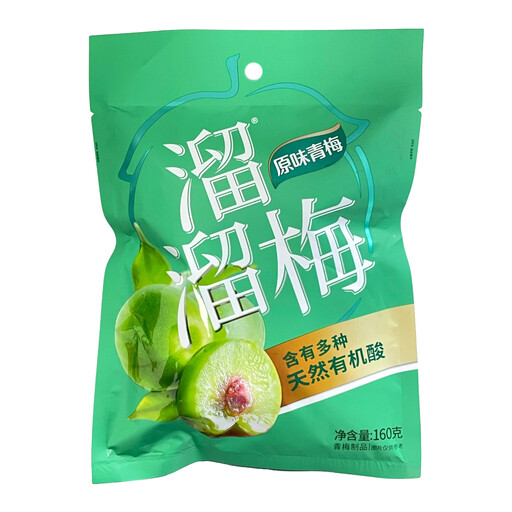
Why It Stands Out: This is not a typical dried plum, but rather a green plum preserved using a traditional method. With a fruit content of ≥90% according to the manufacturer, this product offers a crunchier texture and a refreshing, sweet-and-sour taste.
Pros:
Who It's For: Adventurous eaters and fans of traditional Asian preserved fruits who are looking for a crunchy and flavour-packed alternative to conventional prunes.
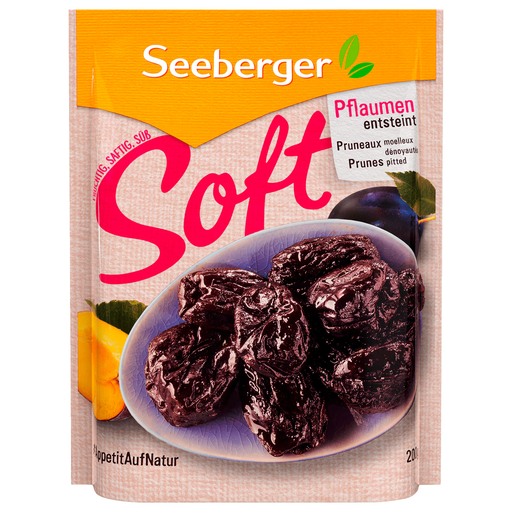
Why It Stands Out: This product is the classic choice for purists. Seeberger's soft prunes have no added sugar and stand out for their natural sweetness and exceptionally soft, juicy consistency. The fruits are sourced from Chile and California and are highly versatile.
Pros:
Who It's For: Health-conscious consumers and families looking for a pure, natural product with no additives that can be used flexibly in the kitchen.
Dried fruits are an excellent base for quick and easy desserts or snacks. If you're looking for more ideas for a little treat, you'll find a wide range of products in our category.
Discover our selection of Easy Finger Food Desserts for more convenient and delicious ideas.
The terms prunes and dried plums are used interchangeably to describe the same product: dried plums. Depending on the region or manufacturer, one term may be preferred, but there is no material difference.
Prunes are a source of dietary fibre. A high-fibre diet contributes to normal bowel function. The nutrition information on the product packaging provides details on the exact fibre content per 100 grams.
To maintain the freshness and consistency of prunes after opening, they should be stored in an airtight container or in their well-sealed original packaging. A cool, dry place away from direct sunlight is ideal. This prevents the fruit from drying out and protects it from moisture.