
Lieferung heute & morgen

Qualitätsgarantie

Willkommens-Angebote freischalten: KOSTENLOSE Lieferung | Bis zu 80 % RABATT | Kostenlose 30-Tage-JoyPlus-Testphase
App herunterladen
The wrong pruning shears don't just lead to messy cuts and damaged plants; they also cause frustration and unnecessary expense. Before you make a decision, it's crucial to understand the typical pitfalls often hidden behind appealing marketing. Many models promise high performance but fail to meet basic requirements in practice.
This guide will help you identify the critical features and make an informed choice. We focus on the three most common problems that arise when selecting pruning shears:
To avoid a bad purchase, focus on objective, technical features rather than marketing promises. The following three aspects are decisive for the performance and longevity of any pruning shears.
Choosing the right cutting system is the most important decision and depends directly on your intended use.
For most general gardening tasks on living plants, a bypass model is the more versatile and plant-friendly choice.
The quality of the blades determines the cutting performance and the lifespan of the shears. Pay attention to precise material specifications.
Good pruning shears should feel like an extension of your hand, not a burden.
For branches that exceed the maximum cutting diameter of hand shears, a pair of loppers with long handles for leverage is the appropriate tool.
Based on the criteria above, we have curated a selection of products suitable for different needs and use cases.
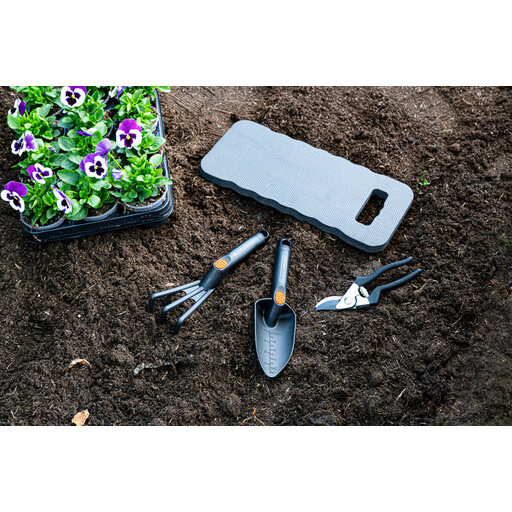
Why This Fits Their Persona: Ideal for those starting a new garden or needing a basic kit for occasional maintenance. This set covers the essential tasks without breaking the bank.
This set bypasses the "one-size-fits-all" trap by providing dedicated pruning shears for cutting and separate tools for soil work.
Comprehensive pruning shear set with a kneeling pad for added comfort; the shears have a 13 mm cutting capacity for common tasks.
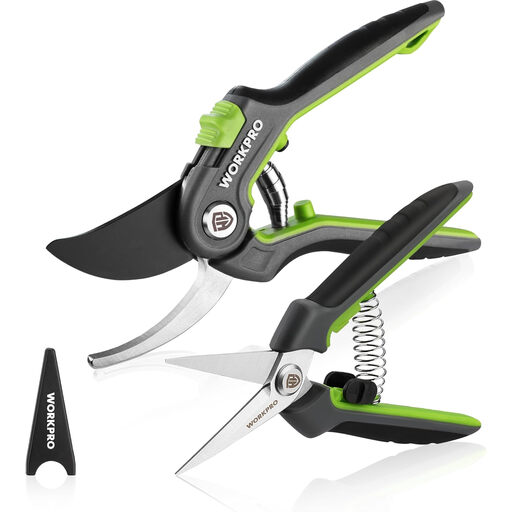
Why This Fits Their Persona: For garden enthusiasts who value precise cuts and plant health. This set offers specialised tools for different tasks, from pruning to harvesting.
It debunks the "one-tool-for-everything" myth by providing a bypass pruner for clean cuts and a harvest shear for detailed work. The SK5 steel blade is a clear indicator of quality.
Two specialised shears for different applications; the bypass pruner cuts fresh branches up to 19 mm; ergonomic handles with a spring mechanism reduce hand fatigue.
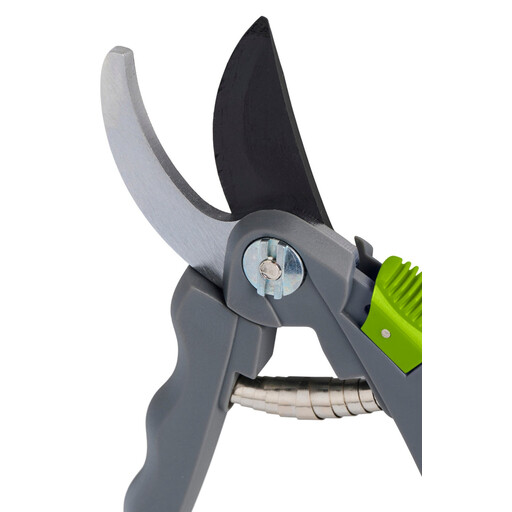
Why This Fits Their Persona: For users seeking a robust, durable single tool for frequent pruning of shrubs and perennials. The focus here is on quality and longevity.
This model focuses on one job and executes it with high-quality materials. The carbon steel blade with a non-stick coating avoids the material pitfall and ensures lasting performance.
Non-stick coated upper blade and chrome-plated lower blade for clean cuts and corrosion resistance. According to the manufacturer, it comes with a 5-year warranty.
We have compiled a complete, up-to-date list of products that fully meet these strict selection criteria.
A bypass pruner has two blades that glide past each other to make a clean, scissor-like cut. It is ideal for living plants and fresh wood. An anvil pruner has one blade that presses against a flat metal surface (the anvil). It is better suited for dead, hard wood but can crush fresh shoots.
Clean the blades with a cloth after each use to remove sap and dirt. Dry the shears thoroughly to prevent rust, especially with carbon steel models. A drop of oil on the pivot joint will ensure smooth operation. Sharpen the blades as needed with a suitable sharpening tool to maintain cutting performance.
Look for an ergonomic pruner that is lightweight and has cushioned handles. A well-functioning spring mechanism that automatically opens the handles after each cut significantly reduces fatigue. Bypass shears often require less pressure than anvil models for clean cuts in green wood, making them a frequent good choice.