
Lieferung heute & morgen

Qualitätsgarantie

Willkommens-Angebote freischalten: KOSTENLOSE Lieferung | Bis zu 80 % RABATT | Kostenlose 30-Tage-JoyPlus-Testphase
App herunterladen
Choosing the right pruning shears can make gardening significantly easier and promote the health of your plants. Whether you're making precise cuts on roses, trimming shrubs, or removing thicker branches, there's a specialised tool for every task. This guide will help you understand the different types of pruning shears and make an informed decision based on the specific needs of your garden.
Before making a decision, there are a few key features to consider. These criteria will help you evaluate the functionality and durability of a pair of shears.
The most fundamental distinction between pruning shears is their cutting mechanism.
The quality of the blade determines the cutting performance and lifespan of the shears. Blades made from SK5 steel, a Japanese high-carbon steel, are known for their high hardness and long-lasting sharpness. Stainless steel blades are particularly corrosion-resistant. An additional coating (e.g., Teflon or titanium) can reduce friction and make cleaning easier.
The handles should fit comfortably in your hand to prevent fatigue during extended use. Non-slip materials and an ergonomic shape are crucial here. For professional users or individuals with less hand strength, cordless electric pruners can be a smart alternative, as the motor does the cutting work for you.
Define your primary use case:
Here, we present a selection of models designed for various gardening activities.
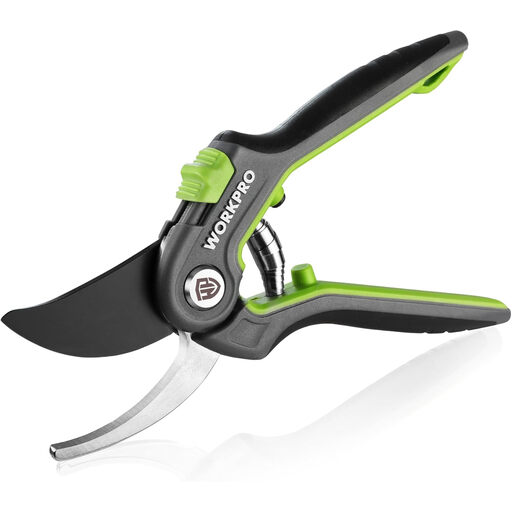
Why it stands out: This model is a classic all-rounder for most cutting jobs in the garden. The combination of a sharp SK5 steel blade and an ergonomic design makes it a reliable tool for regular use.
Pros:
Who it's for: Ideal for home gardeners looking for a versatile and robust bypass pruner for trimming shrubs, perennials, and fresh branches.
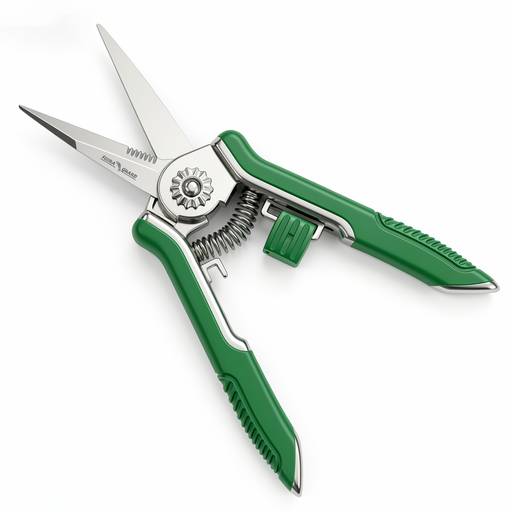
Why it stands out: Its slim and pointed blade design allows for extremely precise cuts in hard-to-reach places without damaging adjacent stems or flowers.
Pros:
Who it's for: Perfect for gardeners who need specialised rose shears or frequently perform delicate tasks like trimming bonsai, herbs, flowers, and young shoots.
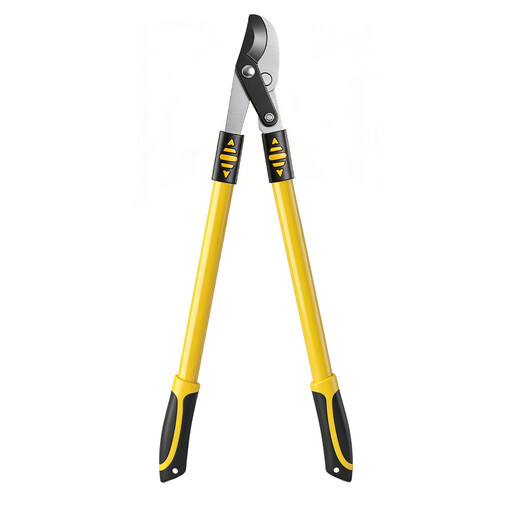
Why it stands out: These loppers are designed for demanding tasks. With their long handles, they generate high leverage, allowing you to cut thick branches with minimal effort.
Pros:
Who it's for: A great choice for homeowners and gardeners who regularly need loppers to keep trees and larger shrubs in shape.
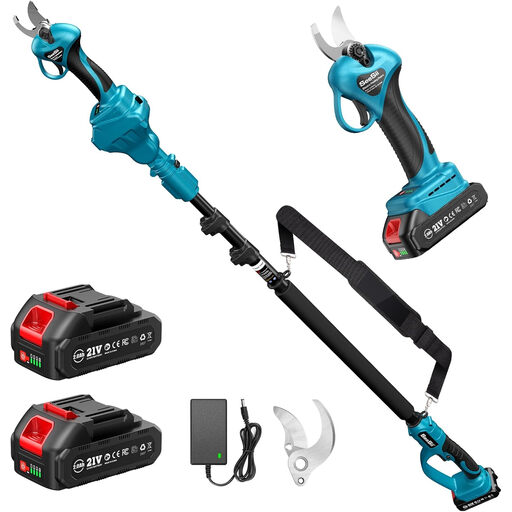
Why it stands out: This 2-in-1 tool combines the power of cordless electric pruners with the reach of a telescopic pole, making it a solution for demanding and high-reach pruning jobs.
Pros:
Who it's for: Suitable for professional users like landscapers or fruit growers, as well as owners of large gardens who need a powerful and versatile tool for tree trimming and maintaining large woody plants.
While the right shears are essential for pruning, a well-kept garden also requires good soil cultivation. If you need tools for loosening and aerating your garden beds, you might find suitable products in our selection of garden hoes.
1. What is the difference between bypass and anvil pruning shears? A bypass pruner has two blades that glide past each other to make a clean cut, ideal for living plants. An anvil pruner has one blade that closes onto a flat surface, which is better for dead or very hard wood as it tends to crush the wood.
2. How do you properly maintain pruning shears? Clean the blades of sap and dirt after each use. Dry the shears thoroughly to prevent rust. Occasionally applying a drop of oil to the joint and blades will keep the mechanism moving smoothly and protect the metal.
3. Which pruning shears are suitable for thick branches? For branches with a diameter of more than 2 cm, a standard hand pruner is usually not powerful enough. For this, we recommend loppers with long handles for more leverage, or motorised cordless electric pruners designed for cutting thicknesses of 30 mm or more.