
Lieferung heute & morgen

Qualitätsgarantie

Willkommens-Angebote freischalten: KOSTENLOSE Lieferung | Bis zu 80 % RABATT | Kostenlose 30-Tage-JoyPlus-Testphase
App herunterladen
A precise cut is crucial for plant health. An unsuitable or dull tool can crush branches, damage the bark, and make the plant more susceptible to disease. Therefore, selecting the right cutting tool—whether it's a pair of fine rose snips or powerful loppers—is not a minor detail but the foundation of successful garden care.
This article serves as a guide. It introduces various types of pruning shears and cutting tools, explaining which model is best suited for which gardening task. The goal is to provide you with an informed basis for your purchasing decision.
The choice of the right tool depends on three key factors: the cutting mechanism, the blade material, and the specific application.
The most fundamental distinction among pruning shears is how their blades operate.
The quality of the blade determines how well and for how long a pair of shears will cut. Common materials include stainless steel and carbon steel.
Not every tree pruning tool is suitable for every job. A general classification can help guide your choice:
Here is a selection of tools designed for various gardening needs.

Why it stands out: This saw combines the sharpness of high-speed steel teeth with the flexibility of an alloy base. A special feature is the adjustable cutting angle, which makes it easier to work in hard-to-reach places.
Advantages:
Who is it for? For gardeners and outdoor enthusiasts who regularly need to cut thicker branches and require a portable, versatile tool.

Why it stands out: These shears are designed for precision. With their narrow, pointed blades made of polished stainless steel, they are perfectly suited for delicate work.
Advantages:
Who is it for? Ideal for tending to flowers, herbs, and ornamental plants, as well as for deadheading or trimming roses.
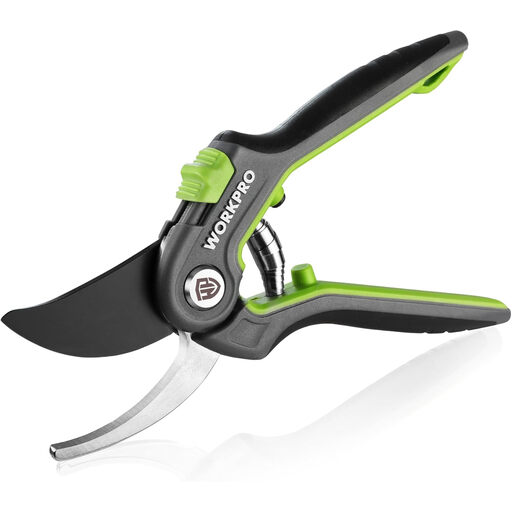
Why it stands out: As classic bypass shears, this model is a versatile tool for most common pruning tasks. The high-performance steel blade promises clean cuts and a long service life.
Advantages:
Who is it for? A reliable all-rounder for almost any home gardener looking for a robust tool for the regular trimming of shrubs, perennials, and smaller branches.
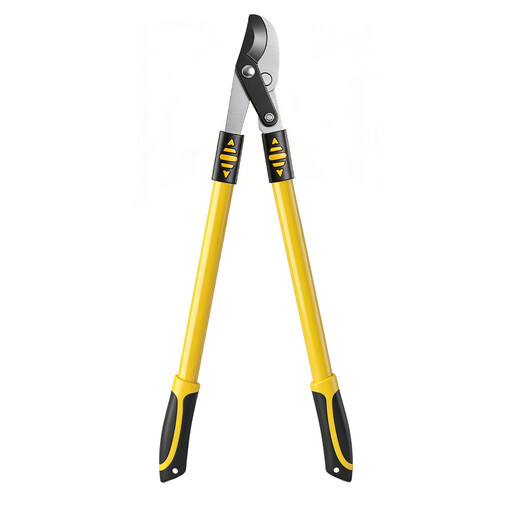
Why it stands out: These loppers are designed for demanding tasks. At 66 cm in length, they offer tremendous leverage to cut through even thick branches with manageable effort.
Advantages:
Who is it for? For homeowners with larger gardens and trees who regularly perform heavy tree pruning and need a tool with long reach and high cutting power.
The tools presented here cover the most common use cases. However, sometimes a specific task requires a special blade, or you may need a replacement part for your existing tool.
Explore our wide selection of shear blades to find the right accessory for your needs.
Bypass shears have two blades that glide past each other to make a clean cut, ideal for living plants. Anvil shears have one blade that presses against a flat surface (the anvil), which is better for dead, hard wood but can crush fresh stems.
For good edge retention and sharpness, carbon steel is a common choice. SK5 steel, in particular, is a high-carbon steel known for its ability to hold a sharp edge for a long time. Stainless steel is rust-proof and easier to maintain but may need to be sharpened more often.
Regular maintenance extends the life of your shears and preserves their cutting performance.