
Lieferung heute & morgen

Qualitätsgarantie

Willkommens-Angebote freischalten: KOSTENLOSE Lieferung | Bis zu 80 % RABATT | Kostenlose 30-Tage-JoyPlus-Testphase
App herunterladen
A well-maintained garden is the result of careful work, and the right tools play a crucial role. Unsuitable pruning shears can not only make the job more difficult but also damage plants with unclean cuts. The market offers a vast selection, and choosing the right model—whether it's a pair of precision rose shears or powerful heavy-duty shears—can quickly become overwhelming.
As your Joybuy Product Recommendation Officer, my mission is to provide you with clear guidance. This article presents objective criteria for selecting pruning shears and showcases a range of models distinguished by their specific features for various gardening tasks. The goal is to help you find a tool that simplifies your gardening and promotes the health of your plants.
Before you decide on a model, there are a few fundamental features to consider. These will help you find shears that are perfectly suited to your needs and the requirements of your plants.
The most important distinguishing feature of pruning shears is how the blades operate.
For most general gardening tasks, bypass shears are the more versatile and plant-friendly option.
The quality of the blade determines the sharpness, durability, and ease of maintenance of the shears.
Good pruning shears should fit comfortably in your hand to prevent fatigue, even during extended use. Look for ergonomically shaped handles, a non-slip coating, and a weight that matches your hand strength. A spring mechanism that automatically opens the shears after each cut further reduces strain. An easy-to-use safety lock is essential to securely fasten the blades when not in use and prevent injuries.
Based on the criteria above, we have compiled a selection of pruning shears suitable for different applications.
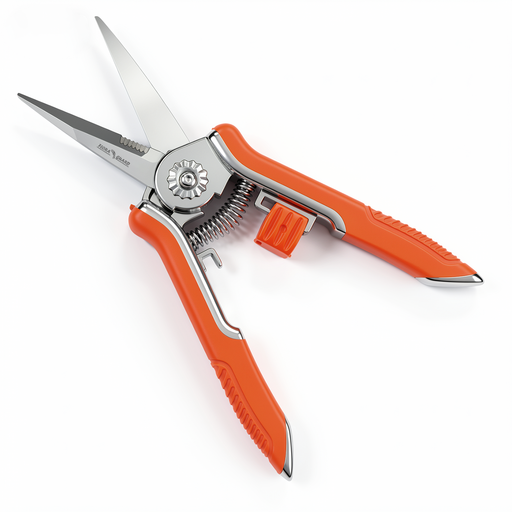
Why It Stands Out: This model is designed for precision. With their narrow, pointed blades, the FLORA GUARD snips are ideal for fine work where larger shears would be too cumbersome. The polished stainless steel blades ensure clean cuts and are resistant to rust.
Advantages:
Who It's For: Ideal for home gardeners who need lightweight pruning snips or flower shears for detail work. Perfect for cutting flowers, harvesting herbs and vegetables, or shaping small plants like bonsai.
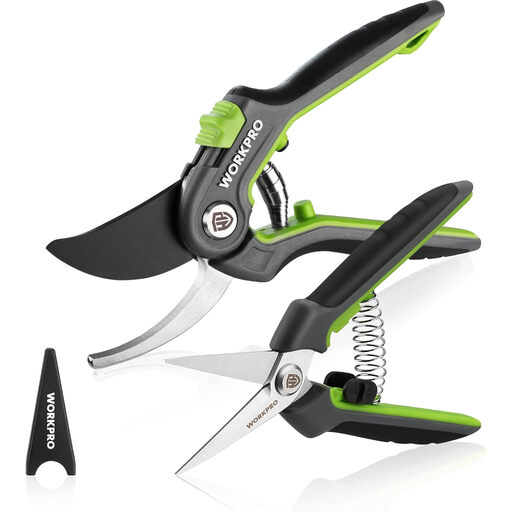
Why It Stands Out: This garden shear set offers a thoughtful combination for versatile gardening. It includes a robust pair of bypass shears for thicker branches and smaller harvesting snips for delicate tasks. This equips you well for most cutting jobs that arise.
Advantages:
Who It's For: An excellent choice for garden owners looking for a complete set for various tasks. From trimming shrubs to harvesting fruit and flowers, this set covers a broad spectrum of needs.
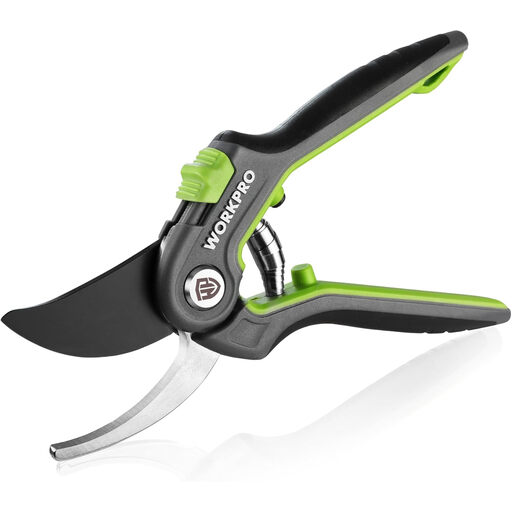
Why It Stands Out: This model is a classic all-rounder for regular pruning. The high-quality SK-5 steel blade combined with the bypass mechanism ensures consistently clean and plant-friendly cuts on green wood.
Advantages:
Who It's For: Perfect for gardeners who want a single, reliable, and powerful pair of bypass pruning shears for general garden maintenance, especially for trimming roses, shrubs, and smaller branches.
Roses have specific pruning requirements to maintain their prolific blooming and health. While the bypass shears featured here are well-suited, some gardeners prefer tools designed specifically for this purpose.
If you are looking for other models that feature particularly slender blades or are specially suited for roses, it's worth taking a look at our broader product range. Discover our entire selection of rose shears and find the perfect tool for your prized plants.
1. How do I properly care for my pruning shears? Clean the blades with a cloth after each use to remove plant sap and dirt. Store the shears in a dry place to prevent rust. An occasional drop of oil on the joint will keep them operating smoothly.
2. What is the difference between bypass and anvil pruning shears?Bypass pruning shears have two blades that glide past each other, creating a clean cut ideal for living plants. Anvil shears have one blade that closes onto a flat surface (the anvil), which is better for cutting hard, dead wood but can crush living tissue.
3. How often should pruning shears be sharpened? The frequency depends on usage and blade quality. A good indicator is when cuts become messy or require more force. For the average home gardener, sharpening once per season is often sufficient to maintain good cutting performance.