Regular pudding makers
If you prepare pudding for several weekdays, look for a hotplate that’s easy to control when bringing it to the boil and then simmering it. Dr. Oetker’s recipe says to continue cooking the pudding while stirring vigorously.


For making pudding, choose a hotplate with low power settings that are easy to control. Induction requires a compatible pan base, while a traditional electric hotplate works with cookware that isn’t induction-compatible. Keep stirring the pudding as directed by the recipe, and remember that it needs to cool and be transported chilled for a lunchbox, whatever type of hotplate you use. (Dr. Oetker; Rommelsbacher; Federal Institute for Risk Assessment)
If you prepare pudding for several weekdays, look for a hotplate that’s easy to control when bringing it to the boil and then simmering it. Dr. Oetker’s recipe says to continue cooking the pudding while stirring vigorously.
First, check whether your pan has a ferromagnetic base, making it suitable for your chosen induction model. A traditional electric hotplate is an alternative if your existing pan isn’t induction-compatible. (Rommelsbacher; Severin)
If you make pudding in advance to take with you later, remember to plan for cooling and chilled storage or transport as well as heating. The Federal Institute for Risk Assessment provides specific guidance on storing prepared food.
A good fit if: you have an induction-compatible pan and want a smooth cooking surface.
Consider: the pan base and pan size need to match the cooking zone. Performance at low power settings can vary between models.
A good fit if: you want to keep using cookware you already own that isn’t induction-compatible.
Consider: a cast-iron hotplate needs to cool before you clean it. The manufacturer specifies a continuously adjustable control for the Severin KP 1091.
A good fit if: you can control the heat well enough on your existing hob while stirring.
Consider: you don’t need an extra appliance just to make this recipe. Cooling and chilled transport still need to be planned separately.
| Priority | What to check when buying | Who it matters to |
|---|---|---|
| Adjustable heat | Check how easy it is to use the lower power settings. For the CT 2010/IN, Rommelsbacher describes settings 1 to 6 as switching on and off at timed intervals; this shouldn’t be assumed to apply to other appliances. | When I bring pudding to the boil and then keep it simmering while stirring, I want to be able to control the heat easily. Around 33% of consumers put this priority first. |
| A compatible pan | Check whether the pan base is ferromagnetic and whether its diameter matches the cooking zone on the specific model. Rommelsbacher specifies a 120–230 mm cooking zone for the CT 2010/IN. | If I want to keep using my usual pudding pan, it needs to work with the heating technology. Around 25% of consumers give pan compatibility their highest priority. |
| Cooling and taking it with you | After cooking, allow time for cooling and plan for chilled storage and transport. The Federal Institute for Risk Assessment recommends cooling prepared food to below +7 °C within a few hours. | If I’m preparing pudding for a lunchbox, I need a plan for cooling it and transporting it chilled. Around 25% of consumers prioritise this. |
| Space and cleaning | Compare the appliance dimensions and cooking surface with the space where you intend to put it. For a cast-iron hotplate such as the Severin KP 1091, unplug it and let it cool before cleaning. (Severin) | If I want to use the hotplate regularly on weekdays and then put it away or clean it, the space it takes up and the effort needed to care for it matter. Around 17% of consumers put this first. |
A temperature setting doesn’t guarantee that the contents of the pan will remain at that temperature. According to the manufacturer, the Rommelsbacher CT 2010/IN produces power settings 1 to 6 by switching on and off at timed intervals.
Pay attention to how the lower settings work, keep an eye on the heat and stir the pudding as directed by the recipe. Don’t assume you’ll get an even result just because a temperature is shown.
The Rommelsbacher CT 2010/IN induction model requires a ferromagnetic pan base. A traditional cast-iron hotplate such as the Severin KP 1091 doesn’t have this requirement.
Before you buy, check the pan base and the specified pan diameter. This will help you choose the right heating technology for your existing cookware.
Your choice of hotplate doesn’t determine how the finished food is stored or transported. Inadequate chilling can encourage bacteria to multiply in perishable foods.
Portion the pudding, plan to cool it promptly and arrange to keep it chilled until it’s eaten. The Federal Institute for Risk Assessment recommends dividing larger quantities between several shallow containers so the food cools more quickly.
The Touch 2000 is a portable induction hob with touch controls, a timer and a glass-ceramic surface.
The KP 1091 is a traditional portable cast-iron hotplate, while the KP 1071 is a separate induction option.
The CT 2010/IN is a portable induction hob with a specified cooking zone, timer and residual-heat indicator.
The Everyday Slim IH2108 is a portable induction hob with preset modes and manual controls.
The Joybuy products below include portable induction hobs and glass-ceramic hobs with a range of cooking zones and power ratings. Before choosing, compare the heating technology, number of cooking zones and dimensions with your available space and existing cookware.
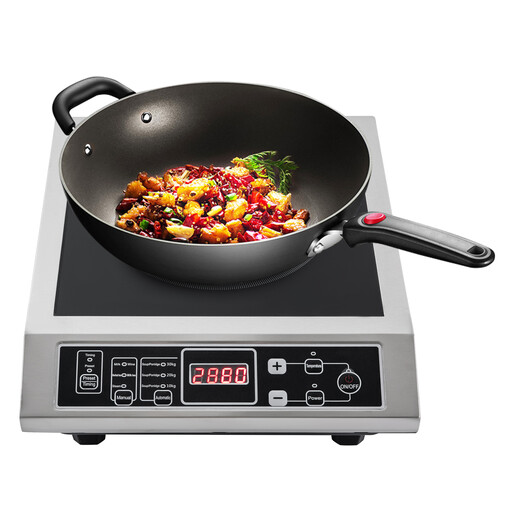 No image available
A portable induction hob for anyone who wants to choose between different cooking stages; the pan must be induction-compatible.
8 temperature and power settings; 800–3,500 W; timer function.
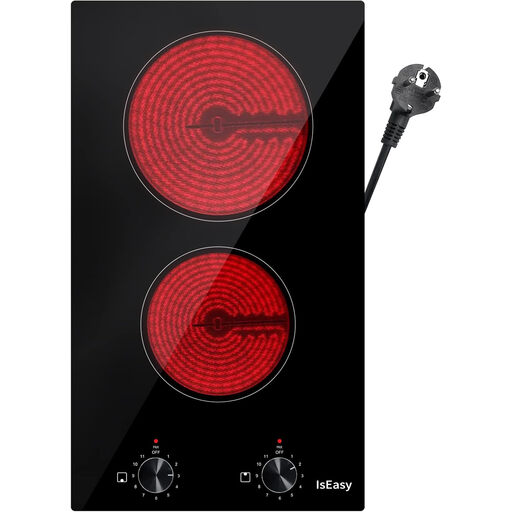 No image available
An option if you want to use two cooking zones; check that the design and dimensions suit your kitchen space.
2 cooking zones; 11 power settings; 3,200 W; 29.5 cm.
 No image available
A portable single hob if you’re looking for an induction option; the product details specify magnetic cookware measuring 12–26 cm in diameter.
2,100 W; 28 cm; 9 heat settings; 8-hour timer; touch controls.
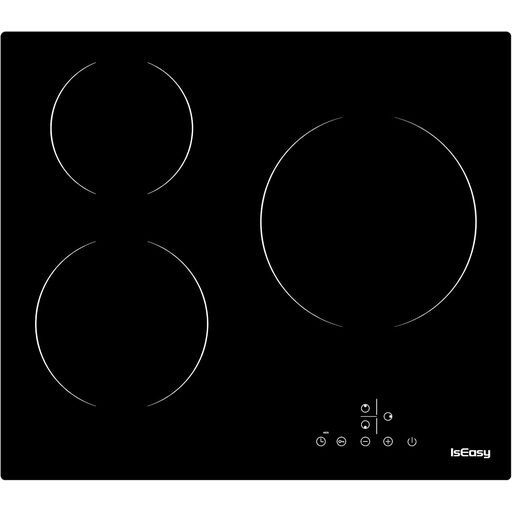 No image available
If you want to use several pans at once, this model has three designated cooking zones.
60 cm; 5,500 W; 9 heat settings; timer.
 No image available
A portable single hob for use at home or away; it requires induction-compatible cookware with a ferromagnetic base.
1,000 W; 5 power settings.
Follow the recipe: Dr. Oetker says to bring the pudding to the boil, then simmer it briefly over a medium heat while stirring vigorously. Selecting a setting doesn’t replace stirring.
Check whether the pan base is ferromagnetic, then compare its diameter with the cooking zone on the specific model. Rommelsbacher specifies a 120–230 mm cooking zone for the CT 2010/IN; this measurement applies to that model.
Cool perishable, milk-based pudding promptly, then store and transport it chilled. The Federal Institute for Risk Assessment recommends cooling prepared food to below +7 °C within a few hours; larger quantities can be divided between shallow containers.
No. A selectable temperature setting doesn’t confirm the temperature actually reached inside the pan. According to the manufacturer, the Rommelsbacher CT 2010/IN produces power settings 1 to 6 by switching on and off at timed intervals; keep an eye on the heat and stir as directed by the recipe.
Electrical appliances covered by the EU Low Voltage Directive, including appliances with a rated voltage of 50 to 1,000 V AC, must meet the relevant EU requirements. The CE marking is the manufacturer’s declaration that the product complies with the applicable regulations. It isn’t an independent safety test.