
Lieferung heute & morgen

Qualitätsgarantie

Willkommens-Angebote freischalten: KOSTENLOSE Lieferung | Bis zu 80 % RABATT | Kostenlose 30-Tage-JoyPlus-Testphase
App herunterladen
Pudding powder is a handy store-cupboard staple for families, busy people and dessert lovers. With just a few ingredients, you can make chocolate, vanilla, caramel or semolina pudding. But bold claims on the packaging don’t always mean a product is right for you. The key things to consider are how it’s prepared, the portion size, the ingredients and your personal needs.
Instant pudding is often made by mixing the powder with cold milk or hot water. Traditional pudding powder, on the other hand, usually needs milk, sugar and a brief spell on the hob. If you only have a whisk and a mug to hand, check the instructions before you buy.
For example, according to the product information, Dr. Oetker Galetta is made with 500 ml of cold milk and then whisked for about a minute. Traditional vanilla pudding from Dr. Oetker or RUF, by contrast, is mixed with a little cold milk before being stirred into milk that has been brought to the boil.
A higher gram weight doesn’t automatically mean more portions. Some products contain several individual sachets, while others are designed as a single serving for one or two people. When comparing pudding powders, look out for:
A 3-pack of 37 g sachets can be more practical for making several batches than a single 100 g sachet, while a single serving may be just right for work or a quick dessert.
“Vanilla”, “caramel” or “chocolate” tells you the flavour, but the recipe itself can vary considerably. Check the cocoa content, sugar, milk ingredients, sweeteners, thickeners and possible allergens.
Allergen labelling is particularly important if you have a sensitivity. Some products contain milk or milk protein, while others may contain traces of nuts, soya or egg. Always check the information on the packaging of the product you receive.
Products that can be made cold or need only a brief spell of whisking are ideal for a quick dessert. According to its product description, Dr. Oetker Paradies Creme Chocolate is made with 300 ml of cold milk and a mixer. For a light, airy texture, you’ll need a hand mixer or stand mixer, followed by some chilling time.
If you want to make pudding quickly, you could also choose a hot single-serve option. Dr. Oetker Seelenwärmer Chocolate is mixed with boiling water directly in a mug. It’s handy for one portion, but you’ll need to stir carefully to dissolve the powder at the bottom of the mug.
The ingredients list helps you assess marketing claims objectively. A high-protein pudding, for example, may have a higher protein content per 100 g, but could also contain milk protein, collagen or sweeteners. Dr. Oetker High Protein Chocolate Pudding lists 10 g of protein per 100 g, according to the product information; milk is also listed as an allergen.
Always consider claims such as “sugar-free” or “low-fat” alongside the full nutrition table. Check whether the values refer to the powder or the prepared product, too. For Galetta Chocolate, the product description states that the nutritional values are for the version made with semi-skimmed milk.
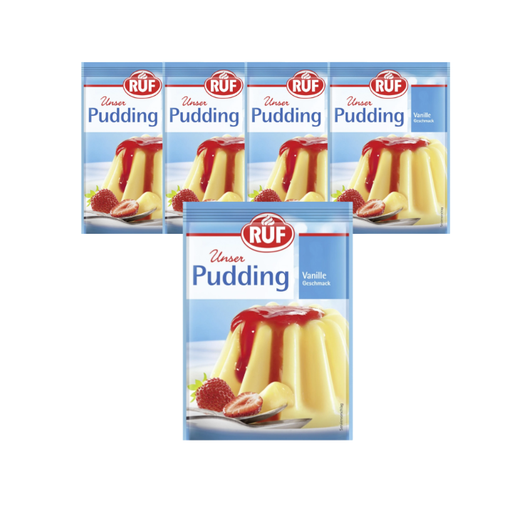
Why this product suits this profile: The pack contains five individual 37 g sachets, making it a practical choice for preparing traditional vanilla pudding in a family home.
The individual sachets make it easy to measure out what you need and reduce the chance of having to store a large amount of powder after opening.
Five individual sachets; according to the product description, free from the major allergens gluten, milk, egg, nuts and soya.
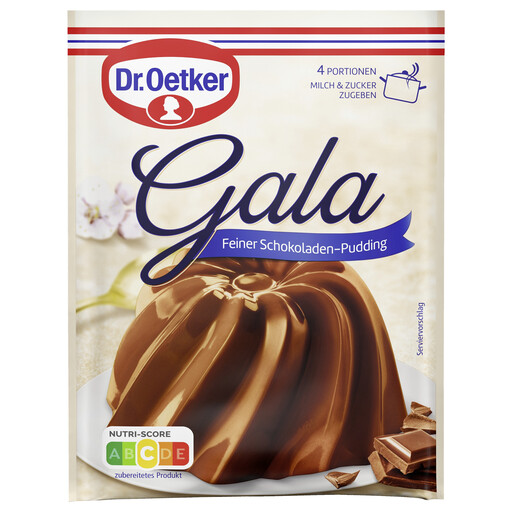
Why this product suits this profile: The product information lists 26% low-fat cocoa powder and 9% chocolate, making it easier for cocoa and chocolate lovers to make an informed choice.
The stated cocoa and chocolate content gives you something concrete to go on, rather than relying on flavour claims alone.
Two 50 g sachets; cocoa certified by the Rainforest Alliance, according to the product description.
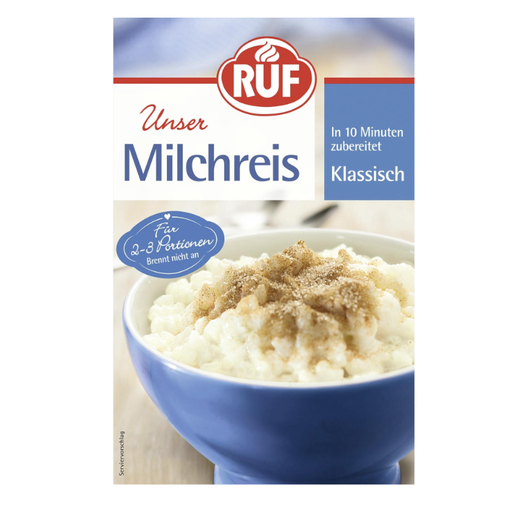
Why this product suits this profile: Mix the rice pudding powder with 500 ml of hot milk, then leave it to stand for about ten minutes. It makes a satisfying dessert or sweet meal.
The instructions clearly state the amount of milk, stirring time and standing time, so you can get a realistic idea of the effort involved before buying.
Contains 51% round-grain rice, according to the product information; no need to heat it again after mixing.
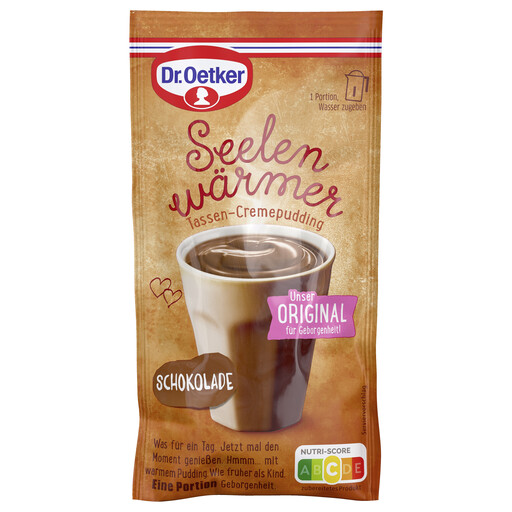
Why this product suits this profile: Prepare this single serving directly in a mug with boiling water. There’s no need for a carton of milk or a saucepan.
The serving size is clearly defined, so you won’t need to open a multi-portion pack when you only want a quick dessert.
59 g single serving; made with whole milk powder and contains 6 g of protein per 100 g, according to the product description.
We’ve put together a complete, regularly updated list of products that meet these strict selection criteria and fully comply with the safety regulations in force in the EU.
Unopened dessert powder should normally be stored in a cool, dry place away from direct sunlight. Once opened, it’s best kept in an airtight container, as moisture can cause lumps to form. Follow the packaging instructions for prepared pudding. Products containing milk should be refrigerated after preparation and eaten within the stated time.
For a smooth consistency, first mix the powder with a small amount of cold milk to make a paste. Then stir the mixture into the hot milk. With instant products, stick to the stated amount of liquid, as too much water or milk will affect the consistency.
It depends on the type. Traditional pudding powder is usually cooked with milk and sugar. Instant pudding is often whisked with cold milk, while single servings are sometimes mixed with boiling water. Always follow the preparation instructions on the packaging.
Unopened sachets can be stored in a cool, dry place until the best-before date printed on the pack. Once opened, the powder should be sealed well and used promptly. Prepared pudding should be refrigerated and eaten within the time stated on the packaging.
As well as the powder, you’ll need to factor in the cost of milk, sugar, cream and any toppings. For a fair comparison, work out the cost per portion and check whether sugar is already included. Rice pudding and semolina pudding may also need different amounts of milk.