Lunch boxes for several days
If you regularly bake larger quantities, check how many rolls will fit on the available trays with enough space between them.


For preparing several lunch boxes at once, a built-in oven is an obvious choice if you have a suitable space for it and the usable tray area is right for the batch. For smaller quantities, a freestanding mini oven or air fryer could be a better fit. Capacity alone doesn’t tell you whether you’ll have more room for the rolls or lower costs per batch. If you’re using a meat filling, the German Federal Institute for Risk Assessment recommends heating food to 70 °C throughout for at least two minutes, and keeping perishable food chilled until it’s eaten.
If you regularly bake larger quantities, check how many rolls will fit on the available trays with enough space between them.
For just a few portions, the appliance’s footprint, door opening and the usable tray or basket area are all important factors.
If you’re preparing filled rolls, you’ll need to plan how to cook the filling all the way through and keep it chilled until lunchtime, whatever appliance you use.
A good fit if: you have a suitable space for it and regularly bake several trays or larger batches.
Things to consider: the installation and dimensions of the space need to be right. Manufacturer claims about cooking on several levels aren’t independent baking tests for every recipe.
A good fit if: you don’t have a suitable space for a built-in oven and a tray that suits smaller batches will do.
Things to consider: the external dimensions, footprint, door opening and usable area need to suit your kitchen and the size of your rolls.
A good fit if: you only bake a few rolls at a time and they fit in the basket with enough space between them.
Things to consider: separate baskets don’t create one continuous baking surface. You may need to cook a larger batch in several rounds.
| What matters to you | What to check before buying | Who is it important to? |
|---|---|---|
| Space for a weekly batch | Check the usable tray area, tray dimensions and the space needed between the rolls. | If I’m baking rolls for several lunch boxes at once, I want to know how many will fit on the trays with enough space between them. Around 33% of consumers prioritise room for larger batches. |
| Fit in the kitchen | Check the external dimensions, space for a built-in appliance, door opening and required clearances. | With limited worktop space, I want to know in advance whether the appliance will fit in my kitchen and whether the door will open easily. Around 27% of consumers prioritise an appliance that fits their kitchen. |
| Cooking the filling through | Plan to check the core temperature, and make sure you can keep the food chilled during storage and transport. | If the meat filling may be raw, I want to check that it’s thoroughly cooked and keep the lunch box chilled afterwards. Around 27% of consumers put controlled cooking first; the German Federal Institute for Risk Assessment recommends heating food to at least 70 °C throughout for two minutes. |
| Effort involved in regular use | For an oven, check the energy consumption per standard cycle, and consider cleaning and the number of batches you’ll need to cook. | If I bake regularly, I want to keep an eye on energy use and cleaning. Around 13% of consumers prioritise the ongoing effort involved. |
A high capacity in litres doesn’t tell you how many rolls will fit on one continuous surface with enough space between them. Several baskets don’t automatically add up to one continuous baking surface either.
Compare the usable tray or basket dimensions with the size of your usual rolls and the space they need.
The consumer advice centre explains oven energy use per standardised baking cycle. This doesn’t provide a direct recipe comparison between different appliance types, sizes or portions.
Only compare energy use when the total quantity, heating method and number of batches are similar enough to make the comparison meaningful. The European Commission reports household oven energy use per cycle.
A browned pastry case doesn’t show whether a potentially raw meat filling has been heated sufficiently inside. Cooking food through and keeping it chilled until it’s eaten are separate steps.
If you’re using a meat filling, check the core temperature. The German Federal Institute for Risk Assessment recommends heating food to 70 °C throughout for at least two minutes, and keeping perishable food chilled while you’re out and about.
Built-in ovens for existing spaces and planned batches using several trays; this guide looks at the HBA572BB4 model.
Freestanding mini ovens for kitchens without a suitable space for a built-in oven; this guide looks at the TO 2068 model.
Air fryers as an option for smaller batches; this guide looks at the Dual-Basket NA352/00.
Built-in ovens for a suitable space and several trays; this guide looks at the HB314G0S3 model.
This selection includes built-in ovens, freestanding mini ovens and air fryers for larger or smaller batches of filled puff pastry rolls.
 No product image available
For larger baking projects, if you have a suitable space for a built-in oven and the tray area is right for your batch.
71 l; 3D hot air; pyrolytic self-cleaning. Before buying, check the installation dimensions against your existing space. The product listing specifies a niche width of 560–568 mm, a minimum height of 585 mm and a depth of 550 mm, and says installation must be carried out by a qualified professional.
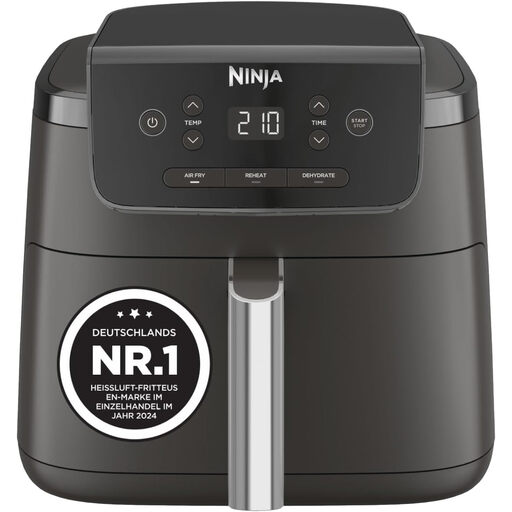 No product image available
For small quantities, as long as the rolls fit in the basket with enough space between them.
4,7 l; 2000 W; listed in the product name as suitable for 1–2 portions.
 No product image available
A freestanding mini oven for smaller batches, if its footprint and tray size suit your kitchen.
32 l; 1600 W; temperature range 100–250 °C; 60-minute timer.
 No product image available
A freestanding option for baking if the usable area is large enough for the batch you’re planning.
28 l; temperature control; three heating modes according to the product name.
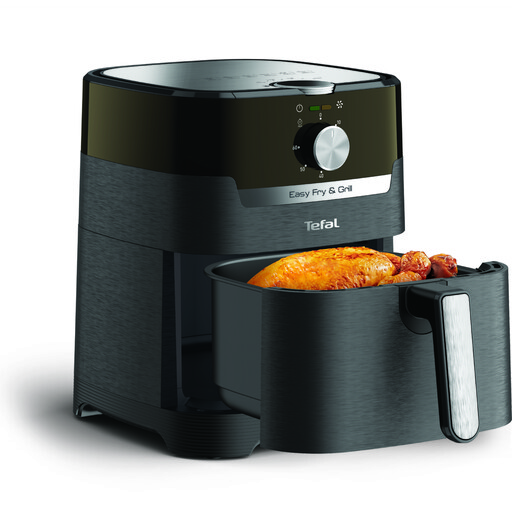 No product image available
For smaller portions, if the basket area suits the size of your rolls and the space they need.
4,6 l; for 6 portions; 1550 W; air frying and grilling.
Don’t rely on the pastry’s colour alone. The German Federal Institute for Risk Assessment recommends heating food to 70 °C throughout for at least two minutes; if you’re using this type of filling, check the centre too. This is food safety advice, not a guaranteed automatic function of any particular oven.
Cool perishable rolls promptly after baking, then store and transport them chilled. The German Federal Institute for Risk Assessment recommends keeping perishable food in the fridge at 2–7 °C and chilled while you’re out and about. Don’t assume an ordinary lunch box will maintain this temperature on its own.
Not as a measure of energy use for the same portion of rolls. The European Commission and the consumer advice centre describe oven energy use per standardised cycle. For a recipe comparison, you also need to take portion size, heating method and the number of batches into account on a like-for-like basis.
The seller is generally responsible for statutory consumer rights, which are separate from any voluntary manufacturer’s guarantee. The consumer advice centre states that these rights generally last for two years from delivery, and outlines additional rights for sales contracts from 31 July 2026 if you choose a repair.