Traditional pumpernickel is made with rye, so it isn’t a gluten-free option for people with coeliac disease. Instead, choose a bread explicitly labelled gluten-free that suits how you plan to use it. If you also have a food allergy, check the ingredients and allergen information on the specific pack. Crispbread, rolls or a bread mix may be alternatives, but they won’t necessarily match pumpernickel’s flavour and texture.
Who should pay particular attention to their choice?
People with coeliac disease looking for a pumpernickel alternative
Traditional rye pumpernickel isn’t suitable for a gluten-free diet. When shopping, the German Coeliac Society recommends checking the labelling and ingredients of the specific product.
Households managing coeliac disease and an additional food allergy
If you need to avoid wheat, milk, sesame, nuts or lupin, for example, you’ll need to check for your individual triggers as well as gluten. A ‘gluten-free’ label doesn’t answer this second question.
Shoppers looking for a different kind of dark bread
If you don’t need to avoid gluten for medical reasons, the type of bread you want may be your main consideration. However, a dark colour or the word ‘wholegrain’ tells you neither that a bread tastes like pumpernickel nor that it’s gluten-free.
What should you look for when buying?
Traditional rye pumpernickel isn’t suitable for people with coeliac disease. Start by choosing an alternative explicitly labelled gluten-free. Then check for other allergens and decide whether bread, crispbread, rolls or a baking mix best suit your everyday needs.
| Criteria |
What to check when buying |
Who it matters most to |
| Avoiding gluten |
Look for an explicit ‘gluten-free’ label on the specific pack. A dark colour or simply being wheat-free isn’t enough. |
With coeliac disease, I need bread with gluten labelling that suits my diet, rather than relying on the name pumpernickel. This is the top priority for around 46% of shoppers. |
| Other allergens |
Check the ingredients, emphasised allergens and, where applicable, precautionary statements about traces against your individual triggers. |
If I also need to avoid a particular allergen, the gluten-free label isn’t enough. Around 36% of shoppers prioritise this additional allergen check. |
| Type of bread for everyday use |
Compare the type of bread, pack size and storage instructions with how you plan to use it. |
For my usual toppings or as a store-cupboard staple, I’m looking for a suitable type of bread without expecting it to taste exactly like pumpernickel. This everyday practicality matters most to around 18% of shoppers. |
Common shopping mistakes
-
Assuming dark bread is gluten-free
REWE describes traditional pumpernickel as being made with rye or rye meal. Its colour and name don’t change the fact that rye contains gluten.
If you have coeliac disease, choose a product explicitly labelled gluten-free and read the ingredients list on the specific pack.
-
Assuming ‘gluten-free’ means ‘free from all allergens’
A gluten-free label doesn’t tell you whether a product contains other allergens that matter to you. The German Federal Institute for Risk Assessment also notes that precautionary statements about accidental traces of allergens aren’t subject to binding rules. So, the absence of such a statement doesn’t prove that the product is completely free from those allergens.
If you have an additional allergy, check the ingredients and precautionary statements for your specific triggers. For advice on assessing your individual risk, speak to a doctor or allergy specialist.
-
Assuming a product with the same name is identical
The German Coeliac Society limits its shopping database to products sold in Germany. A familiar product name alone is no substitute for checking the specific version on offer.
Read the current ingredients list on the pack you’re actually buying.
-
Assuming gluten-free bread is automatically the better choice
A gluten-free label describes the gluten content, not the overall nutritional value or whether a product suits your personal preferences.
If you don’t need to avoid gluten, compare the type of bread, ingredients and nutritional information using your usual shopping criteria.
Brands to consider
The following brands show different ways to find pumpernickel or gluten-free baked goods. What matters is the labelling on each individual product, not the brand name.
REWE
Grocery retailer with information and product examples for traditional pumpernickel.
- REWE describes pumpernickel as a bread made with rye or rye meal.
- The Pema and ja! examples described contain rye, and their ingredients and precautionary statements differ. You can’t draw conclusions about every product in the range from these examples.
Schär
Supplier of gluten-free bread products, including Meisterbäckers Classic and Landbrot.
- The range includes types of bread that may be alternatives to traditional rye pumpernickel.
- A bread isn’t a recipe- or flavour-for-flavour replacement for pumpernickel just because it’s gluten-free or made by a particular brand. Check the product type and pack information individually.
Hammermühle
Specialist supplier of gluten-free baked goods, including long-life breads and fresh products.
- The range includes different types of bread, so you can choose one to suit how you plan to use it.
- Check the ingredients and any allergens relevant to you for each product; a description of the range is no substitute for the information on the pack.
Bäckerei Leo Glutenfrei
Specialist bakery offering gluten-free bread, toast and other baked goods.
- The supplier says its baked goods are made in a certified gluten-free bakery.
- If you’re looking for a pumpernickel alternative, check the recipe, type of bread and your own allergen requirements for the specific product.
Gluten-free bread alternatives at Joybuy
This selection includes crispbread, rolls and a bread mix with ‘gluten-free’ in the product name. The dark crispbread is closer to the type of bread you’re looking for; the other products are alternatives for different uses, not pumpernickel. If you have additional allergies, pay particular attention to the information on the specific pack.
 Image unavailable
Schär Gluten-Free Dark Crispbread, 125 g
An option if dark crispbread works with your toppings instead of soft pumpernickel.
The pack contains 125 g. Crispbread has a different texture from pumpernickel. If you have additional allergies, check the ingredients and precautionary statements on the pack.
View at Joybuy
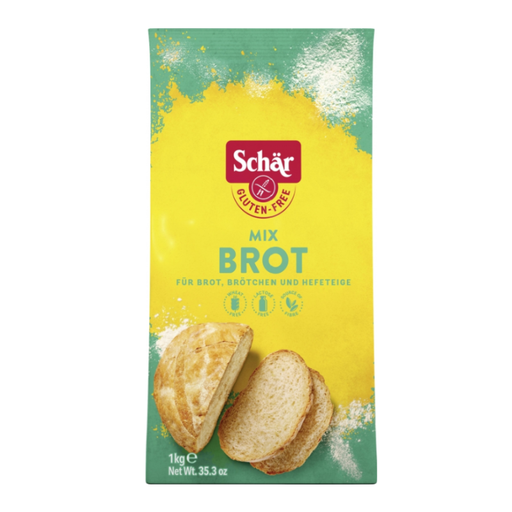 Image unavailable
Schär Gluten-Free Bread Baking Mix, 1 kg
For shoppers looking for a mix labelled gluten-free to bake their own bread.
The pack contains 1 kg of bread mix, not ready-to-eat bread. The product name doesn’t tell you whether the finished loaf will be dark or pumpernickel-like. Check the preparation instructions and allergen information on the pack.
View at Joybuy
 Image unavailable
Schär Kaisersemmel Gluten-Free, 350 g
An alternative if gluten-free rolls rather than slices of dark bread would work for your meal.
The pack contains 350 g. A Kaisersemmel isn’t pumpernickel; check the preparation and allergen information on the specific pack.
View at Joybuy
 Image unavailable
Schär Gluten-Free Crispbread, 150 g
For shoppers who are happy with crispbread as an alternative to a soft slice of bread.
The pack contains 150 g. The product name doesn’t promise dark bread or a pumpernickel flavour. If you have additional allergies, check the ingredients and allergen information on the pack.
View at Joybuy
Frequently asked questions
Is traditional pumpernickel gluten-free?
No. REWE describes traditional pumpernickel as a bread made with rye or rye meal, and rye contains gluten. It’s therefore not a gluten-free bread choice for people with coeliac disease.
What does ‘gluten-free’ mean on a food product?
The label doesn’t mean that no gluten can be detected at all. The consumer advice centre Verbraucherzentrale gives a maximum limit of 20 mg of gluten per kg for foods labelled gluten-free in the EU. You’ll need to check product information separately for other allergens.
Is coeliac disease the same as a food allergy?
No. The German Federal Institute for Risk Assessment distinguishes coeliac disease from food allergies. If you have an allergy as well as coeliac disease, you’ll need to consider both the gluten-free label and the allergens relevant to you when buying bread.
Is a ‘gluten-free’ label enough if I have an additional allergy?
No. Read the ingredients list and check for information about your specific allergen on every pack. The German Federal Institute for Risk Assessment says precautionary statements about traces aren’t subject to binding rules, so their absence doesn’t prove a product is completely free from allergens.
Can I assume that a gluten-free bread from another country with the same name is identical?
Check the ingredients and labelling of the version you’re actually buying. The German Coeliac Society notes that its shopping database covers products sold in Germany; the same product name is no substitute for checking the current pack.


