What should you consider when choosing?
If mealtimes vary, key considerations include how you’ll handle portions for later, whether your existing pan is suitable and how many cooking zones you need.
| What you need |
What to look for when buying |
Who should pay particular attention? |
| Keeping soup hot |
Check whether you can monitor the soup’s temperature itself. A timer is no substitute for this; the Federal Institute for Risk Assessment recommends keeping food at a minimum of 60 °C throughout when holding it hot. |
If I want to keep soup hot until mealtime, being able to monitor its temperature matters to me. Around 36 % of consumers put safe hot holding first. |
| Eating portions later |
Plan to chill and reheat the soup promptly, independently of the appliance’s features. |
I want to serve a portion later without having to keep it hot the whole time. Around 29 % of consumers prioritise storing and reheating food for later. |
| Using an existing pan |
With induction, check that the pan base is compatible and suits the cooking zone. A conventional hotplate has different requirements. |
I want to keep using my existing soup pan, so I’ll check that it suits the technology first. Pan compatibility is the main concern for around 21 % of consumers. |
| Cooking zones and available space |
Match the number of zones you need to the available worktop or built-in space. For built-in appliances, also check whether the specific model is designed to be connected to an oven. |
If I’m making soup and another dish at the same time, I need suitable cooking zones and enough space. Cooking several dishes at once is the main priority for around 14 % of consumers. |
Joybuy hobs for soup pans and cooking several dishes at once
The appliances below include portable single hotplates and built-in induction hobs for one or more pans. Whatever the model, a timer or power setting doesn’t confirm that the soup is at least 60 °C throughout. The Federal Institute for Risk Assessment recommends this temperature when holding food hot.
 No image available
dtl06 infrared hotplate, 3500 W
A portable cooking spot for pumpkin soup if you want to keep using an existing heat-resistant pan.
The product details list 3500 W, a timer, and touch and rotary controls. According to the product name, the appliance is compatible with heat-resistant pans.
View at Joybuy
 No image available
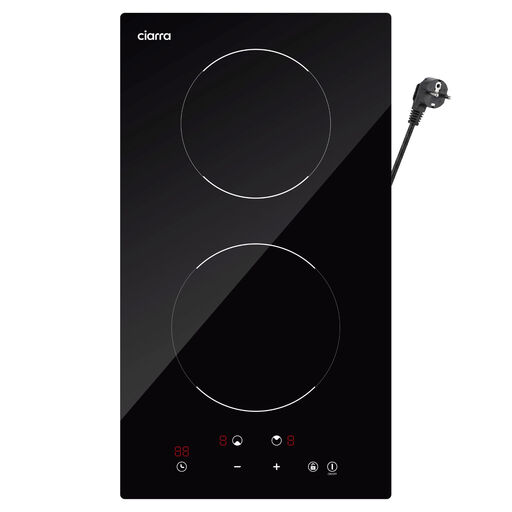
CIARRA CRGDBIH2 built-in induction hob, 2 cooking zones
Two cooking zones could be useful if you want to make soup and cook something else at the same time.
The product name lists 3000 W, nine power levels, touch controls and a timer. Installation requires a suitable cut-out, an appropriate electrical connection and induction cookware. Check the connection details in the product description.
View at Joybuy
 No image available
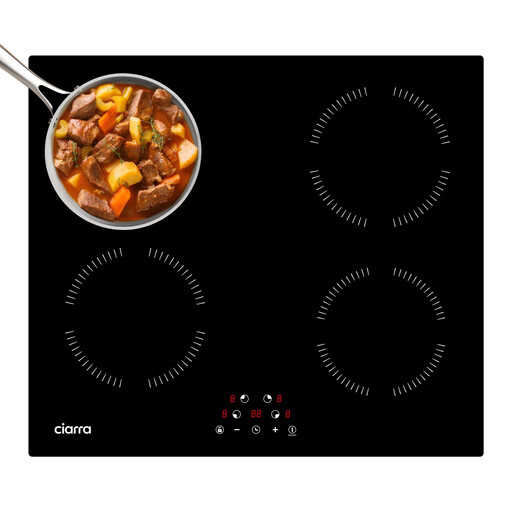
CIARRA CABBIH4-A built-in induction hob, 4 cooking zones
Four zones are an option if you regularly use several pans at once and are looking for a built-in appliance.
The product name lists nine power levels. The product details specify a 56 × 49,5 cm cut-out, a 32-A connection and installation by a qualified electrician. You’ll need induction cookware with a magnetic base.
View at Joybuy
 No image available
Ochama Induction Hub, 2000 W
A portable single hotplate could be a good choice if you need an extra cooking spot for a pan of soup.
The product name lists 2000 W and ten power levels. According to the product details, you’ll need compatible magnetic cookware; aluminium and ceramic pans without a magnetic base won’t work properly.
View at Joybuy
 No image available
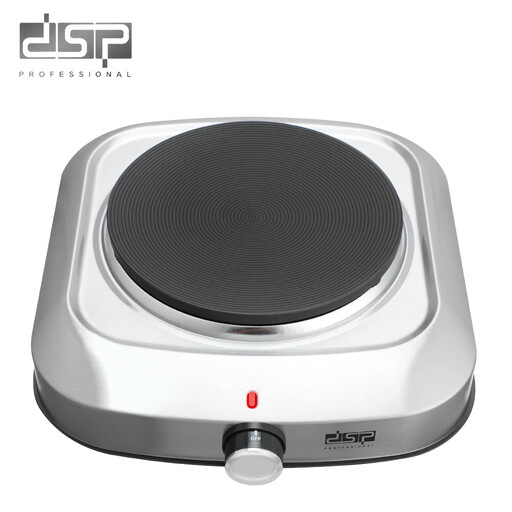
DSP KD4056 single hotplate, 1500 W
A portable single hotplate is one option if you only need an extra cooking zone for one pan.
The product name lists 1500 W, temperature control and a stainless steel heating plate. The product description warns that the appliance may give off an odour and a little smoke for three to five minutes when first used, and recommends using it in a well-ventilated area.
View at Joybuy
Frequently asked questions
Can I leave pumpkin soup on a keep-warm setting until the next meal?
Only if the soup reaches at least 60 °C throughout while being kept hot. The Federal Institute for Risk Assessment recommends this temperature for food safety; a hob function’s name alone doesn’t guarantee that it will maintain it. For longer storage, you can chill portions promptly.
What should I do with portions I’ll eat later?
If you’re storing portions for later, chill them promptly and reheat them thoroughly before eating. In its kitchen hygiene guidance, the Federal Institute for Risk Assessment recommends reheating food to at least 70 °C throughout for two minutes.
Do all electric hotplates need a built-in connection?
No. According to the manufacturer, the portable Severin KP 1071 comes with a Schuko plug. For a built-in appliance, check the details for the specific model: Bosch describes the NVQ645CB6E as a plugless appliance that must be connected by a qualified electrician, and says it requires a suitable built-in oven.
Does an energy label show which hob is cheaper to run?
No. The Verbraucherzentrale explains that hobs don’t have an EU energy label. For a combined cooker, the label rates the oven, not the hob. So compare the details of specific appliances with the way you plan to use them.
Can the ceramic glass on an induction hob get hot?
Yes. Heat from the pan can warm the ceramic glass. AEG points out that heat can transfer from the pan to the hob surface, so let it cool down after cooking.


