Families with a large soup pot
The key question is whether your pot is suitable for the induction zone. Germany’s Federal Office for Radiation Protection advises using a suitable pot with a flat base and a matching size.


A portable single-zone hob may be enough for a suitably sized soup pot. If you want to cook soup and side dishes at the same time, separate cooking zones are more practical. First check that the base and diameter of your pot match the cooking zone. For a built-in hob, also check the cut-out and electrical connection. A child lock is no substitute for keeping an eye on hot pans.
The key question is whether your pot is suitable for the induction zone. Germany’s Federal Office for Radiation Protection advises using a suitable pot with a flat base and a matching size.
If you want to cook soup and side dishes at the same time, compare the usable cooking zones with the space available in your kitchen. Bosch Home Appliances Germany and Siemens Home Appliances Germany list several zones on the built-in models described here.
A freestanding hob means you won’t need a cut-out in your worktop. Check that you have enough space to position it, that the plug connection is suitable and that your existing cookware is compatible with the model you choose.
A good fit if: You’re cooking soup in one pot and don’t need a second cooking zone at the same time.
Bear in mind: You can’t heat a second pot at the same time on this hob. Suitable pot size and, where applicable, weight limit vary by model.
A good fit if: You want to cook soup and a side dish at the same time without a permanent installation, and have enough space to set it up.
Bear in mind: Having two zones doesn’t automatically mean your large soup pot will fit on either of them.
A good fit if: You regularly use several pans and have a suitable cut-out and electrical connection.
Bear in mind: The cut-out and connection must suit the specific model. The Bosch and Siemens built-in hobs described here are supplied without a plug.
For a large soup pot, getting the right fit comes first. Then consider whether one cooking zone is enough or whether you’d like to prepare a side dish at the same time.
| Priority | What to check when buying | Who this matters most to |
|---|---|---|
| Pot compatibility | Check that the base is magnetic and flat, and compare its diameter with the details for the specific cooking zone. Germany’s Federal Office for Radiation Protection advises using suitable materials, a flat base and the right size. | If I want my large soup pot to fit the zone, I’ll check its base and diameter first. Around 28 % of consumers prioritise whether their existing pot will fit. |
| Several pots | Check that the layout of the zones and the available space are suitable for the pots you want to use at the same time. | If you want to cook soup and side dishes at the same time, look for separate cooking zones. Around 22 % of consumers put cooking several things at once first. |
| Power control | Compare the controls, power levels and, where available, timer on the specific model. A setting alone doesn’t tell you the temperature of the soup. | If you want the soup to simmer gently after coming to the boil, easy-to-adjust power control is important. Around 22 % of consumers prioritise switching between high heat and simmering. |
| Use around children | Check whether the model has a control lock and how to activate it. Continue to supervise and secure hot pots and handles. | In a household with children, protection from accidental button presses matters. Around 17 % of consumers pay particular attention to a lock function. |
| Positioning and connection | For portable appliances, check the space available and the plug connection. For built-in models, check the cut-out and connection requirements for the correct model variant. | If you don’t want a permanently installed hob, you’ll need an appliance you can set up and put away. Around 11 % of consumers prioritise this kind of use. |
The appliance width, the cut-out in your worktop and the usable cooking zone are all different measurements. A large hob surface doesn’t guarantee that your soup pot’s base will fit the zone.
Measure the pot base and existing cut-out separately, then compare them with the details for the exact model number.
An unsuitable pot may need to be replaced; an incompatible cut-out may require extra installation work.
The number of zones doesn’t tell you whether your pots will fit or how much worktop space you’ll need.
Check both pots and the space available against the instructions for the model variant you’ve chosen.
An appliance setting doesn’t tell you whether the soup stays hot enough throughout.
Germany’s Federal Institute for Risk Assessment recommends keeping heated food at a minimum of 60 °C throughout until it is eaten. If you’re keeping food warm for a longer period, check its temperature.
The Bosch and Siemens models described here are supplied without a plug and have different cut-out dimensions.
Before ordering, check the cut-out and electrical connection with a suitably qualified professional.
A safe electrical connection and any adjustments to the cut-out may involve extra work.
The German-market PIF64RBB5E is described as a built-in option with several cooking zones.
The EX975LXC1E is a wider built-in option for kitchens where several pots are used at the same time.
The TILLREDA range includes portable induction hobs with one or two zones.
The CT 2020/IN is a portable single-zone hob for a pot suitable for induction.
The ProMenu 2100 is a portable single-zone hob. Check its specifications against the size of your pot and the settings you need.
This selection includes built-in hobs with two or four zones, as well as a portable single-zone hob. The right option for your pumpkin soup depends on your pot, the space available and your kitchen’s installation requirements.
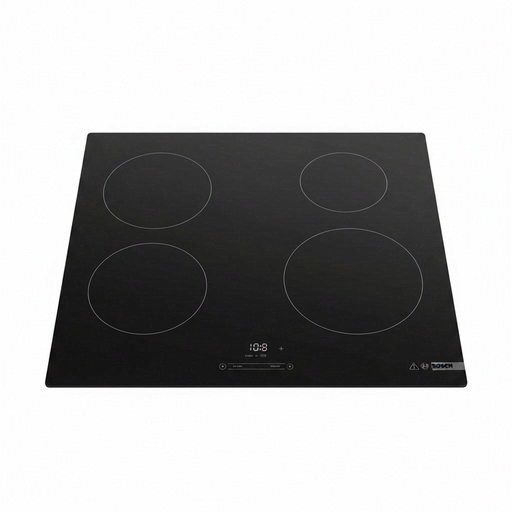 No image available
If you want to cook soup and side dishes at the same time, check that this built-in option suits your kitchen’s cut-out and electrical connection.
The product name identifies this as a Series 4 built-in induction hob. According to the product details, it should be installed by a qualified electrician.
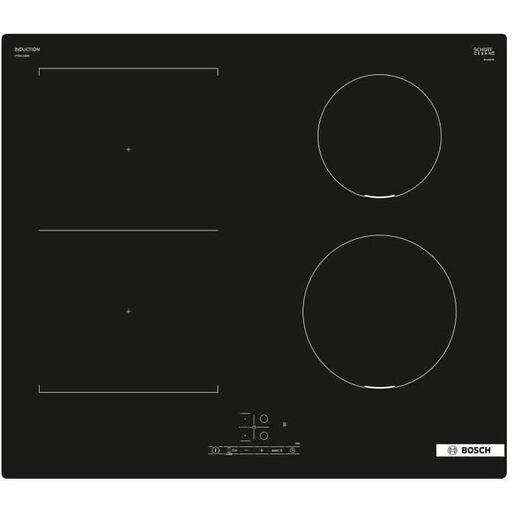 No image available
A built-in hob with several zones could be a good choice for cooking soup and a side dish at the same time, provided your kitchen has a suitable cut-out and electrical connection.
The product name specifies a 60 cm hob with 6900 W, four cooking zones and a timer. Installation by a qualified electrician is recommended.
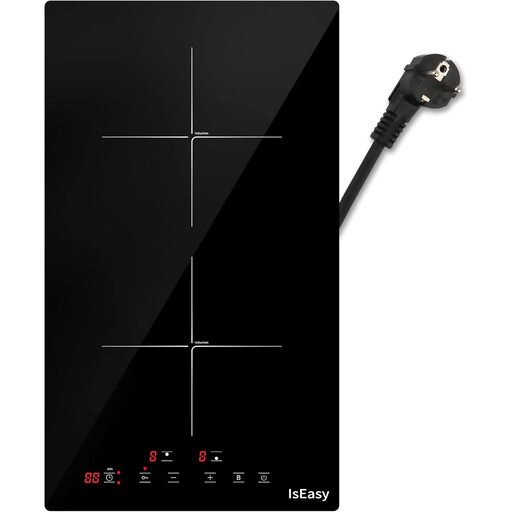 No image available
If you’re looking for a more compact built-in option for soup and another cooking task, check that both pots will fit on the zones.
The product name describes a two-zone built-in hob with a plug connection and a width of 29,5 cm. It also lists a timer, child lock and nine power levels.
 No image available
If you’re cooking soup in one pot and don’t want a permanent installation, a portable single-zone hob could be suitable, as long as your pot fits the cooking zone.
The product name lists nine power levels and a timer of up to 8 hours. You can’t heat two pots at the same time on this single cooking zone.
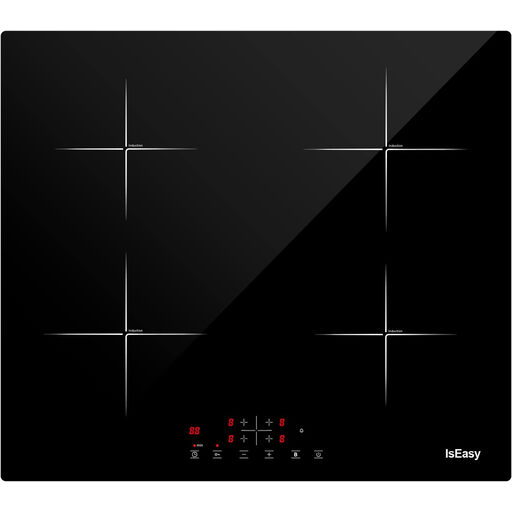 No image available
If you want to use several pots on the hob at the same time, check that this built-in option and its cut-out will fit your kitchen.
The product name lists 6800 W, nine power levels, a boost function and a timer from 1 to 99 minutes.
Only if its base is suitable for induction and its size matches the zone on the appliance you choose. Germany’s Federal Office for Radiation Protection also advises using a flat pot base positioned correctly on the zone. Then check the manufacturer’s details for the specific model variant.
Under § 13 NAV, work on a fixed electrical installation may generally only be carried out by the network operator or an installation company listed in its installers’ register. This is different from using a plug-in portable appliance. The Bosch and Siemens built-in models described here are supplied without a plug and are specified for connection by a qualified electrician.
No. A hob setting doesn’t confirm that the soup is at the right temperature throughout. In its updated recommendation of 19 March 2024, Germany’s Federal Institute for Risk Assessment advises keeping heated food at a minimum of 60 °C throughout until it is eaten. Check the food’s temperature if you’re keeping it warm for a longer period.
Ask your doctor to assess your individual circumstances and follow the instructions for your implant. Germany’s Federal Office for Radiation Protection notes that electromagnetic fields can affect electronic implants. The potential for interference depends on the specific appliance and its settings.
Let the appliance cool down and follow the instructions for the model variant you’ve chosen. For the TILLREDA model described, a cloth, warm water and mild detergent are recommended. Don’t use steel wool or abrasive or sharp utensils.