
Lieferung heute & morgen

Qualitätsgarantie

Willkommens-Angebote freischalten: KOSTENLOSE Lieferung | Bis zu 80 % RABATT | Kostenlose 30-Tage-JoyPlus-Testphase
App herunterladen
As an alternative to sugary sodas and artificial sports drinks, pure coconut water is steadily gaining popularity. Sourced directly from young, green coconuts, it's known for its refreshing taste. However, the market is vast, and the differences between products are not always immediately apparent. This article serves as an objective guide to help you make the right choice. We'll highlight the key features to look for when shopping and present a selection of products available on the market.
To make an informed decision, it helps to understand a few basic criteria. The following points will help you correctly interpret product labels and find a product that meets your needs.
The term "pure" is not regulated, so checking the ingredients list is essential. Ideally, it should only list "100% coconut water" or "coconut water." Products labelled coconut water with no added sugar are often a great choice for health-conscious consumers. Watch out for additives like sugar, fructose syrup, flavourings, or preservatives. Some products are also made from concentrate, which means water is added back after being removed. This can affect the taste and nutritional profile.
Pure coconut water is a naturally low-calorie beverage. It contains electrolytes like potassium, sodium, and magnesium. Because of this composition, it's often referred to as a natural isotonic drink. A drink is considered isotonic if its concentration of dissolved particles is similar to that of human blood, which promotes rapid fluid and nutrient absorption by the body. Compare the potassium and sodium content on the label, especially if you're looking for an electrolyte drink for post-workout recovery.
Most coconut water products are offered in 1-litre Tetra Paks, often labelled as coconut water 1L. This packaging protects the contents from light and air. Many manufacturers use UHT (Ultra-High Temperature) treatment to make the product shelf-stable. Once opened, coconut water should always be stored in the refrigerator and consumed within a few days, as it can otherwise lose its freshness and spoil.
Based on the criteria above, we have compiled a selection of products. These descriptions are based solely on information provided by the manufacturer.
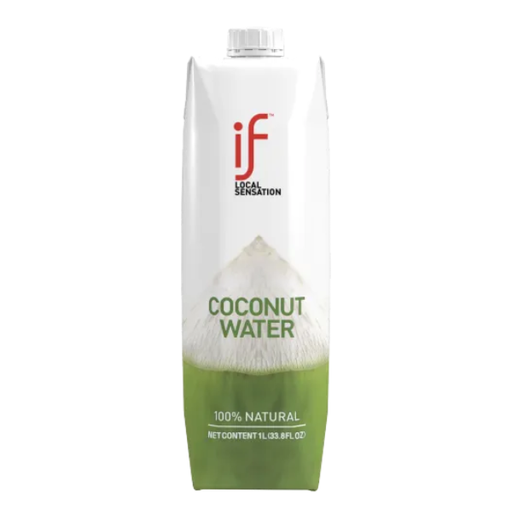
Why It Stands Out According to the manufacturer, this coconut water is sourced from young Thai coconuts, which are known for their natural sweetness. The company states it uses a cold sterilisation process to preserve nutrients and flavour.
Pros
Who It's For For consumers who prefer the taste of Thai coconut water and are looking for a product with a very low sugar content.

Why It Stands Out This product is marketed as 100% pure coconut water with no additives. It is Halal and Kosher certified and, according to the manufacturer, is suitable for vegetarian and vegan diets.
Pros
Who It's For Ideal for purists looking for a pure coconut water with no added sugar. Due to its declared electrolyte content, it's also a great option for athletes who need a natural recovery drink.
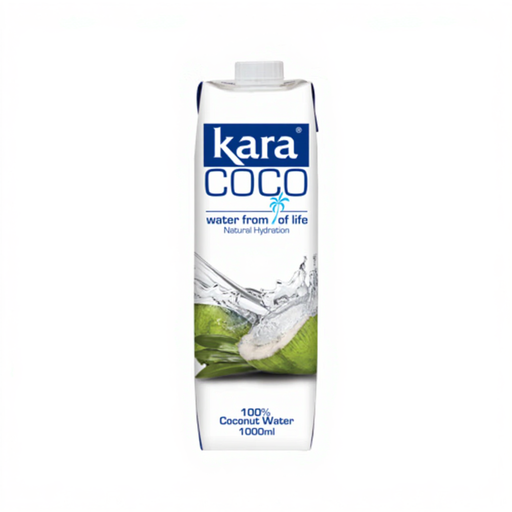
Why It Stands Out KARA positions its coconut water as an alternative to conventional sports drinks, highlighting that it contains fewer calories, less sodium, and more potassium in comparison. The product originates from Indonesia.
Pros
Who It's For For individuals who are particularly mindful of their calorie intake and are looking for a natural, unsweetened source of hydration as an alternative to sugary drinks.
If you haven't found the right product in this selection or are curious about other exotic beverages, you can find a broader range of related products in our Dragon Fruit & Coconut category.
1. Is coconut water an isotonic drink? A beverage is described as isotonic when its concentration of dissolved particles matches that of human blood. Pure coconut water naturally contains minerals like potassium and sodium, giving it isotonic properties. This can support fluid absorption in the body, especially after physical exertion.
2. How can I identify pure coconut water with no added sugar? The most reliable way is to take a close look at the ingredients list on the packaging. For a pure product, it should only state "coconut water" or "100% coconut water." Terms like "sugar," "fructose," "flavourings," or "sweeteners" indicate added substances.
3. How long does coconut water in a 1L carton last? Unopened and stored at room temperature, UHT-treated coconut water products often last for several months. You can find the exact best-before date on the packaging. After opening, the carton must be kept in the refrigerator and should generally be consumed within 3 to 7 days to ensure freshness. Please refer to the specific instructions from the manufacturer.