
Lieferung heute & morgen

Qualitätsgarantie

Willkommens-Angebote freischalten: KOSTENLOSE Lieferung | Bis zu 80 % RABATT | Kostenlose 30-Tage-JoyPlus-Testphase
App herunterladen
By Joybuy Product Recommendation Officer Published 28 July 2026
The nutritional supplement market can be overwhelming, especially when it comes to products like Omega-3 capsules. Many consumers look for a convenient way to secure their intake of essential fatty acids, only to be met with marketing claims that often obscure more than they clarify. This guide will help you identify the crucial quality markers and avoid products that aren't worth your money.
A common mistake is assuming that a high milligram count on the front of the package automatically means high potency. Many products advertise "1000 mg of fish oil," yet the key active ingredients often make up only a fraction of that amount. Another pitfall is the lack of transparency regarding the oil's origin and purity, which is critically important for a natural product like fish oil.
To make an informed decision, let the facts on the label—not advertising slogans—be your guide. Three parameters are of key importance.
The most important omega-3 fatty acids are eicosapentaenoic acid (EPA) and docosahexaenoic acid (DHA). These two compounds are responsible for the health benefits associated with omega-3. The European Food Safety Authority (EFSA) has confirmed that a daily intake of 250 mg of EPA and DHA contributes to the normal function of the heart. To support normal brain function and vision, a daily intake of 250 mg of DHA is required.
Therefore, focus not on the total amount of fish oil, but on the specific content in EPA and DHA capsules. A quality product will list these values transparently on the nutrition facts panel. Products that only state the total amount of omega-3 fatty acids without specifying EPA and DHA should be viewed with scepticism.
Omega-3 fatty acids are typically sourced from fatty, cold-water fish such as salmon, herring, anchovies, or mackerel. The quality of the final product is highly dependent on the purity of the raw material. Fish can accumulate heavy metals like mercury and other environmental toxins.
Reputable manufacturers use sophisticated purification processes to remove these contaminants. Look for information on manufacturing practices (e.g., GMP – Good Manufacturing Practice) or third-party certifications that confirm purity and freshness. Salmon oil capsules or other high-dose fish oil capsules should ideally come from manufacturers who are transparent about their quality control measures.
Omega-3 fatty acids in supplements come in two main forms: natural triglycerides (TG) or processed ethyl esters (EE). The triglyceride form matches the natural structure of fats in fish and is generally well absorbed by the body. The ethyl ester form is often used in highly concentrated products. While both forms are effective, some studies suggest that the bioavailability of the TG form may be slightly higher. However, this information is rarely found on the label, making a focus on EPA/DHA content and purity the more practical approach for most consumers.
Based on these objective criteria, we have curated a selection of products suited for different needs and preferences.
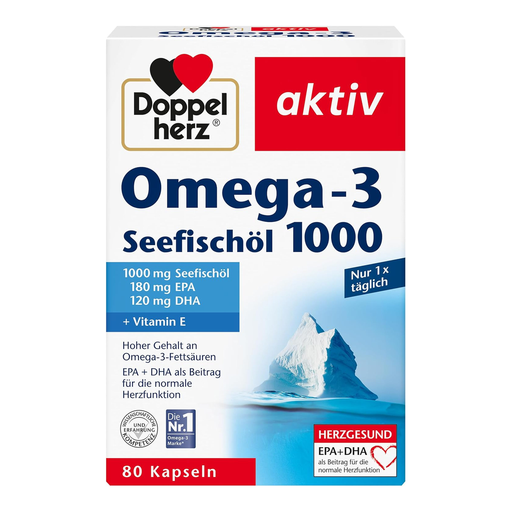
Why it's a good fit: Perfect for those starting their omega-3 journey who trust an established German brand. It provides a solid baseline supply and is a straightforward addition to a daily routine, especially for those who rarely eat fish.
The product clearly states that one capsule contains 180 mg of EPA and 120 mg of DHA. This transparency helps you assess the actual active ingredient content, rather than just relying on the "1000 mg of fish oil" claim.
Brand quality from Doppelherz Omega 3, a well-known German manufacturer. The added Vitamin E helps protect cells from oxidative stress.
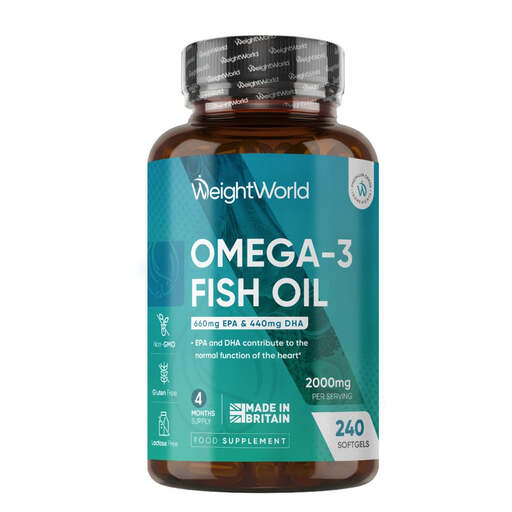
Why it's a good fit: Suitable for individuals who specifically want a higher dose of EPA and DHA. The 4-month bulk supply is convenient for long-term, consistent use as a heart health supplement.
This product doesn't just advertise 2000 mg of fish oil; it specifies a high concentration of 660 mg EPA and 440 mg DHA per daily serving (2 capsules). The mention of IFOS certification also signals a focus on purity.
A high concentration of EPA and DHA per serving makes it an efficient option for high-potency fish oil capsules. Manufacturing according to GMP standards is another mark of quality.

Why it's a good fit: For anyone who prefers to get their nutrients directly from food. Fatty fish like herring is an excellent natural source of omega-3 fatty acids and offers a delicious alternative to taking capsules.
As a whole food, this product completely bypasses the typical pitfalls of the supplement market. You get omega-3 in its natural matrix, along with other nutrients like protein and Vitamin D.
The MSC certification guarantees that the fish comes from a sustainable fishery. It's a direct and enjoyable way to support your intake of omega-3 for heart health.
We've compiled a complete, up-to-date list of products that fully meet these strict selection criteria and German safety regulations.
Look for a transparent declaration of the EPA and DHA content per capsule or daily dose, not just the total amount of fish oil. Information on purity, such as mentions of molecular distillation or third-party certificates, is also a positive sign. Favour products from established manufacturers who are open about their quality standards.
Yes, taking fish oil capsules with a meal that contains some fat can improve the body's absorption of the omega-3 fatty acids. It can also help to minimise any potential fishy aftertaste or burps.
Yes, for vegetarians and vegans, capsules made from algal oil are an excellent alternative. Algae are the original source of EPA and DHA, which fish accumulate through their diet. Algal oil provides these essential fatty acids directly, unlike other plant-based oils such as flaxseed oil, which only contains the precursor ALA (alpha-linolenic acid) that the body must then convert, often inefficiently.