
Lieferung heute & morgen

Qualitätsgarantie

Willkommens-Angebote freischalten: KOSTENLOSE Lieferung | Bis zu 80 % RABATT | Kostenlose 30-Tage-JoyPlus-Testphase
App herunterladen
A purifying face mask can be a useful addition to your daily skincare routine if your skin tends to look shiny, feels congested or is prone to blemishes. However, not every formula suits every skin type. A clay face mask may feel uncomfortably tight on dry skin, while a charcoal mask containing fragrance or exfoliating ingredients may cause further irritation to sensitive skin.
If you are looking to buy a deep-cleansing face mask, do not focus solely on terms such as “detox”, “pore-refining” or “for blackheads”. The key factors are the ingredients, application time and intended use.
Clays such as kaolin or bentonite can absorb excess sebum. However, if a mask is left on for too long or allowed to dry completely and crack, your skin may feel dry and tight. This is particularly important for combination skin: a mask designed to control sebum does not necessarily need to be applied all over the face.
A targeted application is often more practical: apply the clarifying face mask to the forehead, nose and chin, while leaving drier cheeks uncovered.
A face mask for blemish-prone skin is a cosmetic skincare product. It may cleanse the skin or absorb excess sebum, but it is not a substitute for dermatological advice. If you have inflamed, painful or persistent skin changes, discuss using the product with a dermatology professional.
Pay particular attention to formulas containing salicylic acid, sulphur, essential oils, alcohol or fragrance. These ingredients are not inherently unsuitable, but they may have a higher potential to cause irritation in sensitive skin.
A 240 or 300 g jar can be practical if you use the product regularly. However, if it is only used occasionally, it may dry out due to frequent opening or may no longer be suitable for use after the recommended period. Single-use portions are useful for travel and controlled dosing, but they create more packaging waste.
Look for the PAO symbol – for example, “12M” means twelve months after opening – as well as the expiry and batch information on the packaging.
Typical ingredients in a classic deep-cleansing face mask include clays such as kaolin, bentonite, illite or Rhassoul. They can absorb excess sebum and temporarily leave the skin’s surface looking more mattified.
A healing earth mask usually contains mineral-rich earth and is particularly suitable for people who prefer a simple, mineral-based formula. A charcoal mask often combines charcoal powder with clay. However, the term “activated charcoal” alone says little about how well the complete formula will suit your skin. Always check the full INCI list.
For blackheads or rough skin, products may also contain salicylic acid (BHA) or physical exfoliating particles. Such products should not be used at the same time as several other exfoliating products without considering your individual skin tolerance.
Creamy wash-off masks are easy to spread evenly and remove with lukewarm water. Stick masks are practical for targeted application to the T-zone. Charcoal or niacinamide sheet masks, on the other hand, usually contain a watery essence and offer a different skincare approach from a classic clay mask.
Depending on the product, the recommended application time is often between 5 and 30 minutes. Follow the manufacturer’s instructions and do not leave a clay mask on your skin for longer than recommended.
Before using a product for the first time, a patch test on a small area of skin may be advisable, particularly with formulas containing acids, fragrance or essential oils. Avoid the eye and lip areas. If you experience burning, severe itching, redness or a rash, rinse the product off and stop using it.
After using a purifying face mask, a simple moisturiser is recommended. If the product contains BHA, you should also use suitable sun protection during the day.
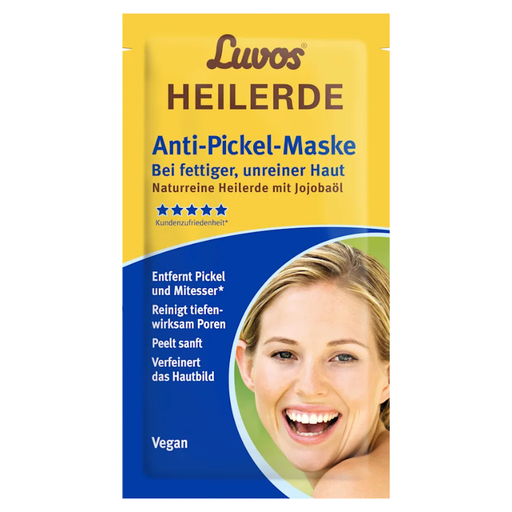
Why this product matches the profile: According to the product information, this healing earth mask is aimed at shoppers looking for straightforward, mineral-based care for oily skin and who prefer a product suitable for both the face and body.
According to the product information, jojoba oil is part of the formula. This means the mask is not focused solely on creating a strongly drying sensation.
According to the product information, a vegan formula without parabens, paraffins or mineral oils; fine particles provide a gentle exfoliating effect.
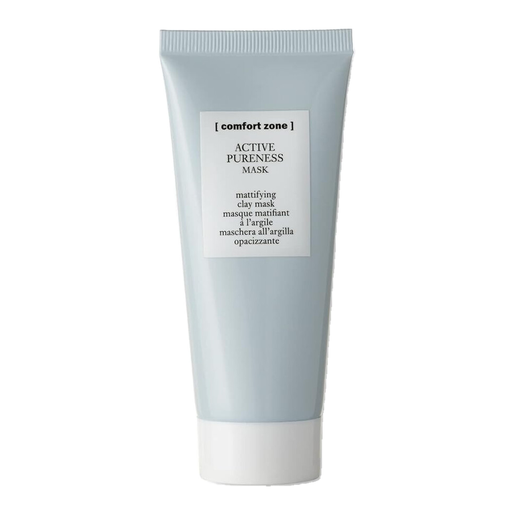
Why this product matches the profile: According to the product information, this creamy clay face mask is intended for oily, combination and blemish-prone skin.
The product information lists a combination of kaolin and bentonite, as well as an application time of 10 to 15 minutes. This makes controlled use easier.
60 ml contents, a creamy texture and intended use once or twice a week; country of origin: Italy.

Why this product matches the profile: Eight individually packaged portions and an application brush are practical for regular use, travel or targeted application to the T-zone.
The individual portions limit how often the container needs to be opened and help prevent unnecessary drying out caused by frequent opening.
Kaolin and bentonite, 120 g total contents, 15 g portions and included brush according to the product description.
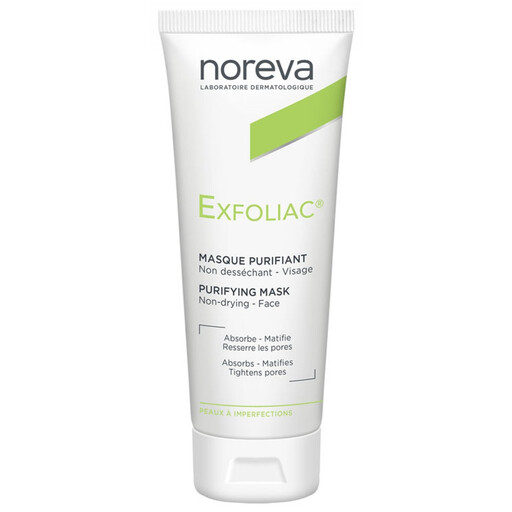
Why this product matches the profile: The combination of kaolin and salicylic acid appeals to users looking for a cosmetic exfoliating element alongside cleansing.
The product information specifically highlights the need for a patch test and a possible effect on sun sensitivity. These points should be considered before purchase.
50 ml contents, a recommended application time of 5 to 10 minutes and salicylic acid listed in the stated INCI list.
We have put together a complete, regularly updated list of products that fully meet these strict selection criteria and the safety regulations applicable in the EU.
For oily skin, using a face mask once or twice a week may be sufficient. With combination skin, applying the product to different areas of the face is often more suitable than applying one continuous layer. Using a mask more often will not automatically result in clearer-looking skin.
Depending on the formula, once or twice a week is standard. With products containing BHA, physical exfoliating particles or sulphur, monitor your skin’s reaction particularly closely. The manufacturer’s specific instructions take priority.
Clay or charcoal formulas containing kaolin and bentonite are often marketed for oily or congested-looking skin. When choosing a face mask for blackheads, you should also check the application time, any acids it contains and how well it suits your skin. Targeted application to the T-zone can help reduce unnecessary dryness.
Follow the PAO symbol and the information on the packaging. Once opened, a mask should be stored tightly closed, in a cool, dry place and protected from direct sunlight. If its smell, colour or consistency changes noticeably, stop applying the product.