
Lieferung heute & morgen

Qualitätsgarantie

Willkommens-Angebote freischalten: KOSTENLOSE Lieferung | Bis zu 80 % RABATT | Kostenlose 30-Tage-JoyPlus-Testphase
App herunterladen
A purifying face mask can be a useful addition to your weekly skincare routine if your skin is prone to shine, excess sebum or pores that appear clogged. However, formulas, application methods and skin feel can vary considerably. An eye-catching product name or the word “Detox” alone says little about whether a mask is suitable for your skin type.
Terms such as “Detox”, “pore refining” or “for blemish-prone skin” often describe the desired cosmetic effect. A pore-cleansing mask can absorb sebum and surface residue, but it cannot permanently reduce the size of pores. A face mask for blemish-prone skin is also not a substitute for dermatological treatment in cases of persistent or inflamed skin problems.
If a clay or charcoal mask dries completely and feels very tight on the skin, this is not a reliable indication of more thorough cleansing. For sensitive or dry combination skin, an overly absorbent formula can feel uncomfortable. The key factors are how long you leave it on, how often you use it and what care you apply afterwards.
A blackhead mask in a peel-off format can loosen flakes and surface residue as it is removed. However, this result should not be equated with the permanent removal of blackheads. Pulling products off mechanically or using coarse particles can cause irritation on sensitive, reddened or damaged skin.
Also look out for active ingredients such as salicylic acid, sulphur, fragrance or essential oils. If you have sensitive skin, it is advisable to test the product on a small area of skin before using it for the first time.
Depending on the product, the recommended application time ranges from approximately 3 to 30 minutes. Leaving a mask on for longer does not automatically improve its effect. The product instructions should be your main guide.
Many formulas are recommended for use once or twice a week. If you have oily skin, a face mask for excess sebum can also be applied only to the forehead, nose and chin. With combination skin, applying the product differently to each area of the face is often more effective than applying one uniform layer over the entire face.
Do not compare the pack price alone. Also consider the product quantity and the number of applications. A 27-g stick, a 50-ml jar and ten individual 25-ml sheet masks cannot be compared directly in terms of dosage and shelf life.
For jars and tubes, check the Period-after-Opening indication on the packaging. Individual portions can be practical for travelling or controlled dosing. Always check the current INCI list on the product packaging, as formulas may change.
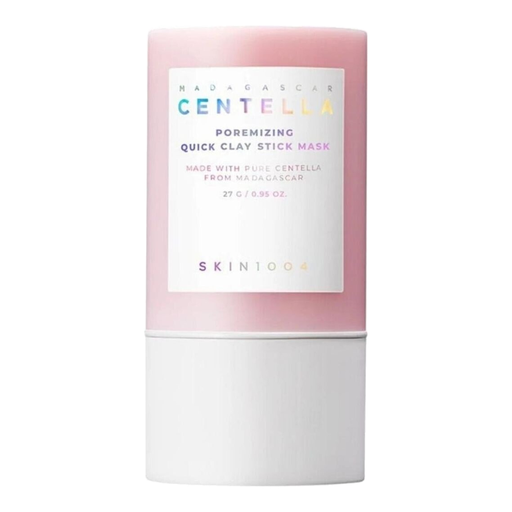
Why this product suits this profile: The stick format allows targeted application to the T-zone and, with a stated application time of 3 to 5 minutes, can be easily incorporated into your routine.
The short application time reduces the risk of leaving the mask on the skin to dry for unnecessarily long. According to the product details, the formula contains 18% kaolin and Centella Asiatica extract.
Practical stick format, 27 g of product and kaolin as an absorbent ingredient.
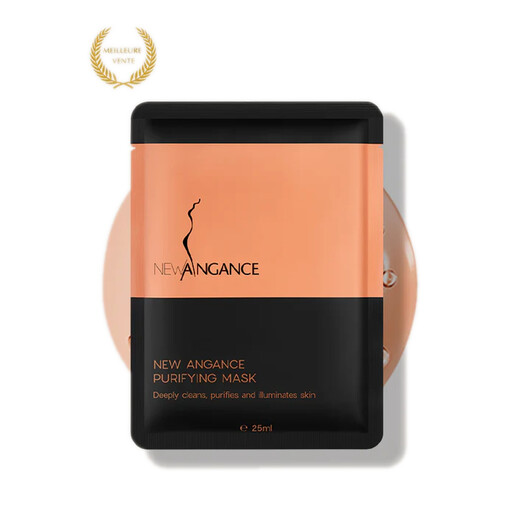
Why this product suits this profile: Individual 25-ml sheet masks make dosing easier and are ideal if you prefer a ready-to-use format with a defined application time.
The formula is not used as a classic, intensely drying clay mask. It contains ingredients including niacinamide, panthenol and glycerin; the recommended application time is 20 to 30 minutes.
Ten individually portioned sheet masks and Kishu Binchotan charcoal, according to the product description.
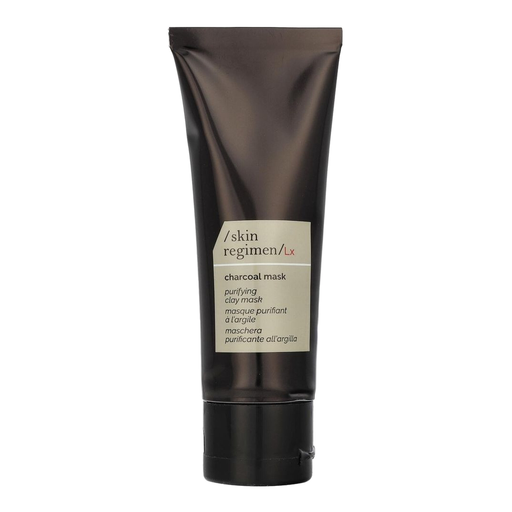
Why this product suits this profile: This creamy rinse-off mask combines clay, bamboo charcoal and pomegranate seed powder with a short application time of around 10 minutes.
The application does not involve peeling the mask off. Instead, gently loosen it with moistened hands and rinse it away with lukewarm water.
75 ml of product and, according to the product description, 99.3% ingredients of natural origin.
We have put together a complete, regularly updated list of products that fully meet these strict selection criteria and the safety regulations applicable in the EU.
A clarifying face mask should not be used at the same time as several highly exfoliating products. If the formula contains acids, it is also advisable to use suitable sun protection during the day.
Usually once or twice a week, depending on the formula. With highly absorbent clay or charcoal formulas, applying the product only to the T-zone may be sufficient. The manufacturer’s instructions and your individual skin response are the most important factors.
It can absorb sebum and surface residue, temporarily making the skin look clearer. This does not mean that blackheads will be permanently removed or treated. If blemishes are persistent or inflamed, seeking medical advice is advisable.
That depends on the product. Check the open-jar symbol, the best-before date and the instructions on the packaging. Individual portions are generally used immediately after opening; tubes and jars should be stored in a cool, dry place and kept tightly closed.