
Lieferung heute & morgen

Qualitätsgarantie

Willkommens-Angebote freischalten: KOSTENLOSE Lieferung | Bis zu 80 % RABATT | Kostenlose 30-Tage-JoyPlus-Testphase
App herunterladen
A putty knife is more than just a piece of metal with a handle. The right tool is crucial for a clean finish in renovation projects, while an unsuitable model quickly leads to frustration, messy results, and extra work. Many DIYers and even professionals grab the wrong tool, lured by supposed bargains or misleading product descriptions. Before you make a purchasing decision, you should know the typical pitfalls that separate a good tool from a useless one.
The three most common problems with low-quality putty knives are:
To avoid these problems, it's important to understand the core features of a high-quality putty knife. Pay attention to the following parameters to find a durable and efficient tool.
The blade material is the most important factor for longevity and functionality.
The shape and size of the blade must match the application.
The handle directly affects comfort and control during work. Handles with a soft rubber coating (soft-grip) provide a secure hold and reduce hand fatigue. Some models feature a robust metal end cap on the handle, which can be used for lightly tapping filler into place or setting drywall nails without damaging the handle.
Based on these objective criteria, we have compiled a selection of tools suitable for specific user profiles and tasks.
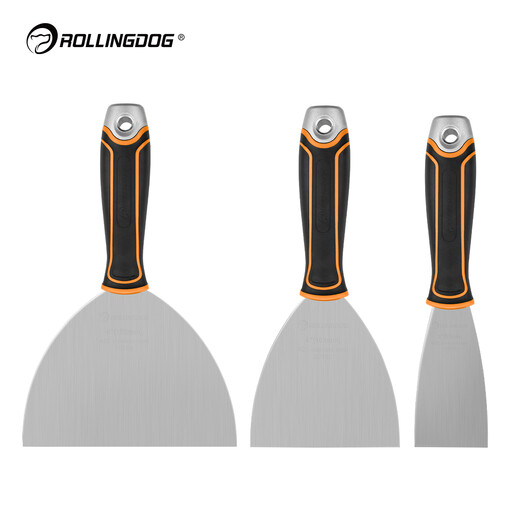
Why This Fits Their Persona: This putty knife set is ideal for DIYers who want to be equipped for various repair jobs around the house. With three different widths (5 cm, 10 cm, 15 cm), it covers everything from small patch-ups to filling smaller areas.
The 420-grade stainless steel blades are rust-resistant and durable. The ergonomic rubber grips prevent fatigue and offer good control, counteracting the typical problems of low-quality sets.
Versatility with three sizes; flexible, hollow-ground blades for smooth surfaces; durable metal end cap on the handle.
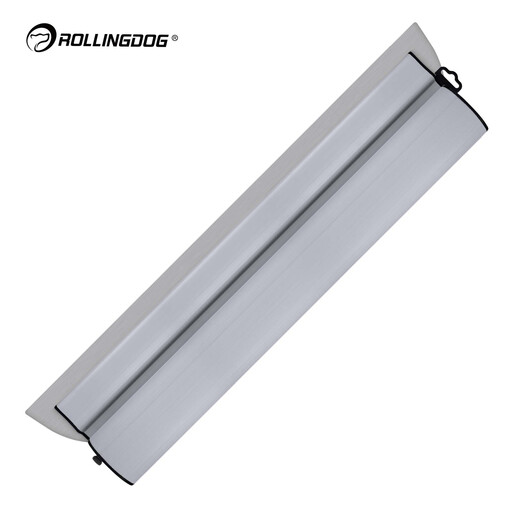
Why This Fits Their Persona: For professional users or ambitious DIYers smoothing large wall or ceiling surfaces in drywall projects. This skimming blade, a specialized drywall tool, is designed for efficiency and a perfect surface finish.
The wide blade ensures rapid progress and prevents the uneven results that occur when using a tool that's too small for large areas. The blade is also replaceable, which increases the tool's longevity.
60 cm wide stainless steel blade for high efficiency; compatible with extension poles for ceiling work; replaceable blade for long-term use.
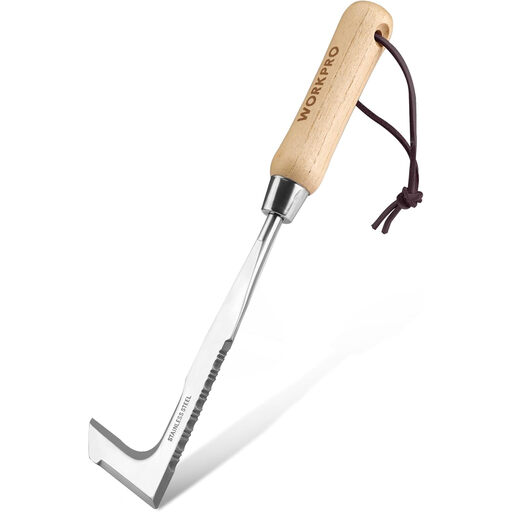
Why This Fits Their Persona: This tool isn't a classic putty knife, but a specialized grout scraper and weeder for garden owners. It is designed for removing weeds, moss, and dirt from paving joints, wall crevices, and patio gaps.
The robust stainless steel construction prevents rust, a critical issue for tools constantly exposed to moisture and soil. The special L-shaped design is optimized for joints and is more effective than an unsuitable painter's knife.
Dual-function with an L-shaped head and serrated edge; ergonomic wooden handle provides leverage for effortless work; high corrosion resistance.
We have compiled a complete, up-to-date list of products that fully meet these strict selection criteria and safety regulations.
Clean the blade with water immediately after each use to prevent filler, plaster, or adhesive from hardening. Then, dry the tool completely to avoid corrosion, especially with carbon steel blades. A stainless steel putty knife is lower maintenance in this regard but should also be stored dry.
Several types of putty knives are useful for drywalling. A joint or taping knife with a width of 10-15 cm is typically used for filling the joints between plasterboards. For the final smoothing of large surfaces (finishing), a wide skimming blade (30 cm and up) or a smoothing trowel is the right drywall tool to achieve a perfectly flat surface.
Yes, a putty knife set is often a great choice for beginners. It provides a selection of different sizes, ensuring you have the right tool on hand for various tasks—from small cracks to larger surfaces. This allows you to gain experience and learn which knife size and shape is best suited for each job.