
Lieferung heute & morgen

Qualitätsgarantie

Willkommens-Angebote freischalten: KOSTENLOSE Lieferung | Bis zu 80 % RABATT | Kostenlose 30-Tage-JoyPlus-Testphase
App herunterladen
A good putty knife set is the foundation for flawless walls and successful renovation projects. But the market is flooded with tools that promise more than they can deliver. Many DIYers and even professionals end up with sets that prove to be useless after a short time—whether due to rusting blades, breaking handles, or inadequate flexibility. This guide will show you the crucial features to look for to find a durable and functional putty knife set that makes your work easier, not harder.
Before you invest in a new tool, you should be aware of the typical weaknesses that often only become apparent during practical use.
To avoid the problems mentioned above, focus on three technical features when making your selection. These define the quality and longevity of your tool.
The most important component of a putty knife is the blade. Look for the designation stainless steel putty knife, ideally made of 420-grade stainless steel. This type of steel offers a good balance of corrosion resistance, hardness, and flexibility. It ensures that your tool remains rust-free and retains a sharp, smooth edge even after many uses and cleanings. Polished blade surfaces also make cleaning easier, as putty adheres less.
A single putty knife is rarely enough. A good painter's knife set should include blades of various widths to be prepared for different tasks.
The handle is your direct connection to the tool. Modern handles often feature a two-component design (e.g., a hard PP core with a soft TPR or rubber overlay). These provide a firm grip and dampen vibrations. A useful detail often found on higher-quality models is a metal hammer end on the handle. This allows you to lightly tap in protruding nails or screw heads without having to reach for another tool.
Based on the criteria above, we have identified some products suitable for different requirements and user groups.
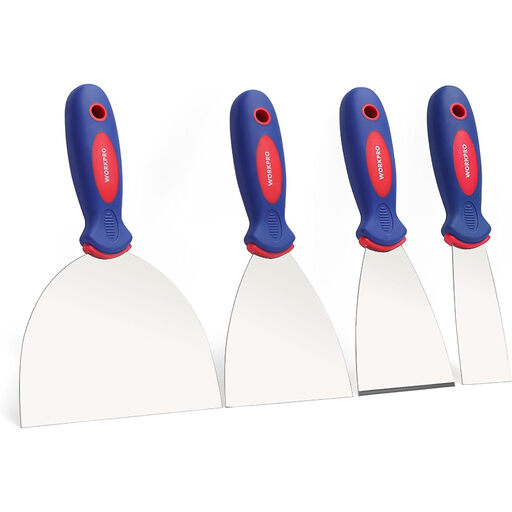
Why This Fits Their Persona: This set is ideal for DIYers who occasionally undertake renovation projects. With four sizes from 38 mm to 150 mm, it covers all common tasks, from filling small holes to removing wallpaper.
The stainless steel blades prevent the typical rusting seen in cheap putty knives. The ergonomic PP and TPR handles are a significant comfort upgrade over simple solid plastic handles.
High versatility thanks to four different blade widths in one set. The mirror-polished surface of the blades makes cleaning easier.
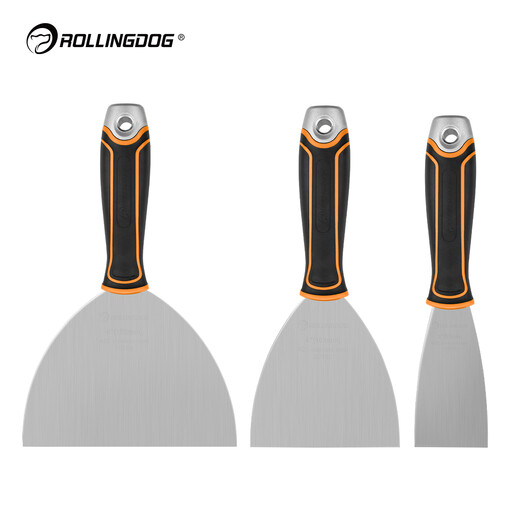
Why This Fits Their Persona: For anyone who renovates regularly and values durability and comfort. This set is robust enough for demanding projects like complete drywall finishing.
Prevents fatigue with ergonomic rubber grips and avoids blade breakage with flexible, hollow-ground blades made of 420-grade stainless steel. The integrated metal hammer end offers added functionality and robustness.
Professional features like the hollow-ground blades allow for an exceptionally smooth application and feathering of the putty. The robust hammer end on the handle increases efficiency.
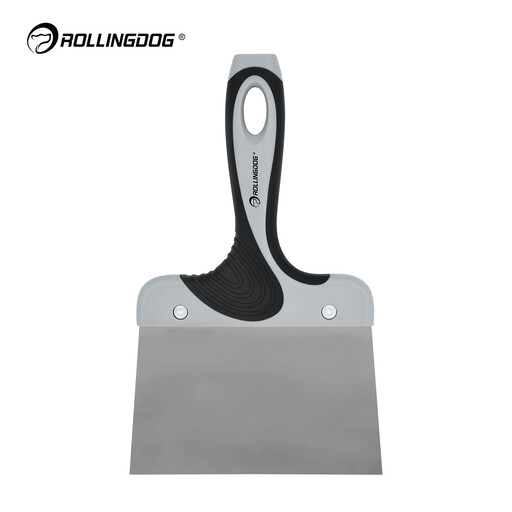
Why This Fits Their Persona: This tool is specifically designed for professionals or very ambitious DIYers whose focus is on achieving a perfect surface finish in drywall. The wide blade is optimized for smoothing joints and surfaces.
This is not an all-purpose tool, but a specialist. The polished, corrosion-resistant 420-grade stainless steel blade is specifically designed for applying and smoothing joint compound and prevents uneven results.
The 14 cm wide, polished blade is optimized for creating seamless, flat surfaces on walls and ceilings. The ergonomic rubber grip reduces fatigue during large-scale jobs.
We have compiled a complete, up-to-date list of products that fully meet these strict selection criteria and German safety regulations.
The most important rule is: clean the knives immediately after use. Dried putty, plaster, or adhesive is very difficult to remove. Use warm water and a brush. With stainless steel blades, you don't have to worry about rust, but it's still advisable to dry the tool completely after cleaning before storing it. A hanging hole in the handle is practical for neat storage.
As a rule of thumb: for small repairs like dowel holes or cracks, use a narrow knife (up to 5 cm). For taping joints in drywall, medium widths (7-10 cm) are suitable. For large-scale wall smoothing or removing wallpaper, wide knives (14 cm and up) are the right choice, as they create a more even surface and speed up the work.