
Lieferung heute & morgen

Qualitätsgarantie

Willkommens-Angebote freischalten: KOSTENLOSE Lieferung | Bis zu 80 % RABATT | Kostenlose 30-Tage-JoyPlus-Testphase
App herunterladen
Whether you're repairing a cracked wall, filling drywall joints, or removing old wallpaper, a good putty knife set is essential for a flawless finish. But the market is flooded with tools that over-promise and under-deliver. Many DIYers invest in sets that quickly prove to be useless. As your Joybuy Product Recommendation Officer, I'll help you identify the common pitfalls and make an informed decision.
Before you spend any money, you should be aware of the three most common issues with low-quality putty knives that lead to frustration instead of smooth walls.
To avoid these problems, you should check three technical features before buying. These define the durability and functionality of your tool.
The term "stainless steel" alone is no guarantee of quality. Look for more specific details about the material. For example, a putty knife made of grade 420 stainless steel offers a good balance of flexibility, hardness, and corrosion resistance. A polished or mirror-polished surface also reduces material buildup and makes cleanup significantly easier, extending the tool's lifespan.
The flexibility of the blade is crucial for the final result.
The handle is your direct connection to the work surface. An ergonomically designed grip, often made from a combination of durable polypropylene (PP) and soft thermoplastic rubber (TPR), provides a secure hold and reduces fatigue. Some professional models, like a plasterer's trowel, feature a metal cap on the end of the handle. This allows you to lightly tap in protruding nails or gently set the blade with a hammer without damaging the handle.
Based on these objective criteria, we have identified several products suitable for different user profiles.
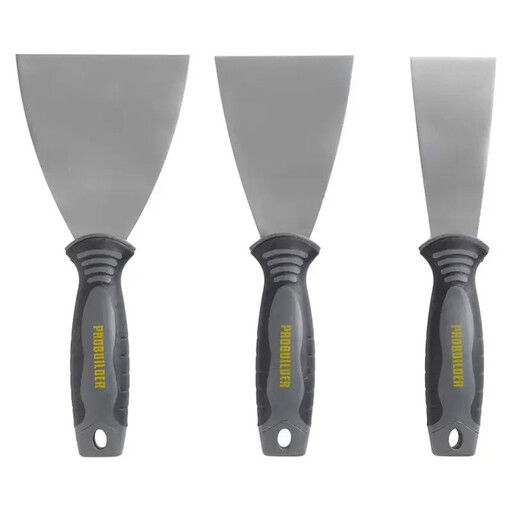
Why This Fits Their Persona: Ideal for occasional household repairs. With the three most common widths (50, 75, 100 mm), this set covers basic needs without breaking the bank. Perfect for filling holes or smoothing small areas.
The "soft-grip" handle directly addresses the problem of awkward tools, providing better control and comfort during work, thus avoiding the common fatigue pitfall.
Offers a functional starter kit with the three most essential putty knife sizes for general DIY tasks. The stainless steel blades are robust enough for occasional use.
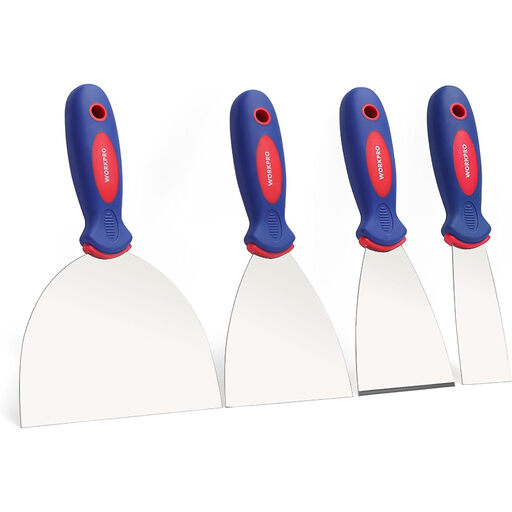
Why This Fits Their Persona: For those tackling larger projects like renovating entire rooms. This set offers great versatility with four widths (38, 76, 100, 150 mm), from a small joint knife to a taping knife for larger surfaces.
According to the manufacturer, the blades are made from 1.2 mm thick, mirror-polished stainless steel. This counteracts the problem of low-grade, rust-prone material and ensures durability.
A comprehensive set with a good mix of flexible blades for detail work and a stiff blade (75 mm) for scraping. The ergonomic PP and TPR handles provide comfort even during extended use.
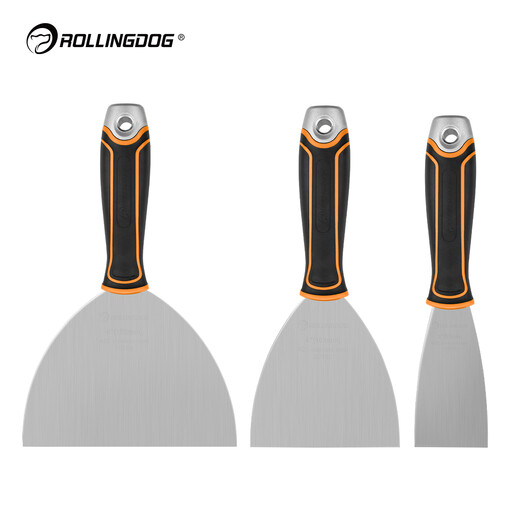
Why This Fits Their Persona: For professional tradespeople or highly demanding DIYers looking for a tool for daily use. The focus here is on precision, durability, and efficiency.
The flexible, hollow-ground blades made of 420-grade stainless steel are specifically designed to prevent streaks and achieve an extremely smooth finish. This bypasses the pitfall of inflexible blades.
Professional features like the hollow-ground blade for superior flexibility and the durable metal hammer end on the handle offer real added value for demanding jobs.
We have compiled a complete, up-to-date list of products that fully meet these strict selection criteria and applicable regulations.
Clean the blades with water immediately after use, before the compound hardens. For oil- or solvent-based materials, use the cleaning agent recommended by the manufacturer. Afterwards, dry the blades thoroughly to prevent surface rust, even on high-quality stainless steel.
As a rule of thumb:
A flexible putty knife bends slightly under pressure and is the standard choice for applying and smoothing compounds. It allows you to feather the material cleanly. In contrast, a stiff putty knife or scraper is the better choice for forcefully removing stuck-on materials like old plaster, carpet adhesive, or paint residue. Many sets include both types.