
Lieferung heute & morgen

Qualitätsgarantie

Willkommens-Angebote freischalten: KOSTENLOSE Lieferung | Bis zu 80 % RABATT | Kostenlose 30-Tage-JoyPlus-Testphase
App herunterladen
A good putty knife set is the foundation for flawless walls and professional-grade results in any renovation project. However, the market is flooded with products whose quality often only becomes apparent after the first use. Rust stains on freshly filled surfaces or fatiguing handles can quickly make a project frustrating. This guide will show you what to look for to avoid costly mistakes and find the right tool for your needs.
Many DIY enthusiasts invest in a set that looks promising at first glance but quickly proves to be unusable. Pay close attention to these three points to avoid falling into the same trap:
To avoid these problems, you should base your purchasing decision on objective criteria. The following three features are crucial for the longevity and functionality of a putty knife set.
The heart of any putty knife is its blade. The material used here is decisive for both durability and the quality of your work. Look for tools with blades made from high-quality, corrosion-resistant stainless steel. A common and reliable choice is 420-grade stainless steel. This material offers high resistance to rust, even with frequent contact with moisture. A stainless steel putty knife set of this quality ensures that your tools remain clean and leave no residue on the wall, even after many projects.
The flexibility of the blade determines how well the tool adapts to the surface. For most applications, from filling small holes to smoothing joints with a joint knife, a flexible blade is ideal. Particularly high-quality models feature a hollow-ground blade. This special grind ensures the blade is more flexible in the middle while retaining a certain stiffness towards the edges. This allows for controlled application and effortless feathering of the compound for perfect transitions—a must-have for any professional drywall tool.
A versatile putty knife set should include blades in various widths. A typical collection includes:
Besides the blade, the handle is crucial for fatigue-free work. Ergonomically shaped handles with a soft rubber grip offer a secure hold and comfort. A practical detail on a professional putty knife set is an integrated metal cap on the handle's end, which can be used to lightly tap drywall sheets into place or set nail heads.
Here are two recommendations that align with the quality criteria mentioned and are suitable for different user profiles.
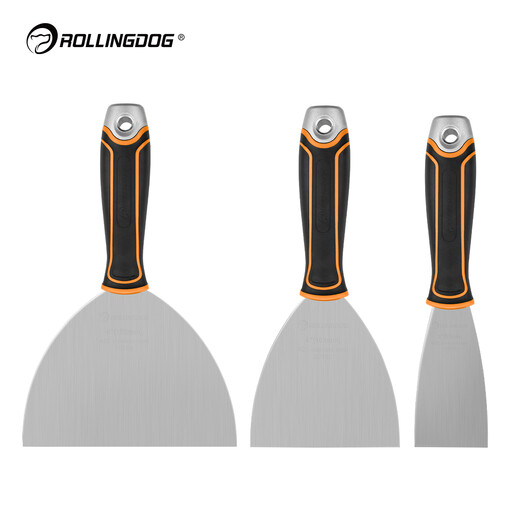
Why This Fits Their Persona: This 3-piece set is ideal for DIYers who need a reliable starter kit for various renovation tasks. With widths of 2", 4", and 6", it covers everything from small repairs to finishing walls.
The blades, made of 420-grade stainless steel, are corrosion-resistant and prevent rust stains. The ergonomic rubber grips prevent fatigue, while the flexible, hollow-ground blades eliminate uneven results.
The combination of flexible blades for smooth transitions and a robust metal hammer end on the handle makes this set both precise and practical for job site use.
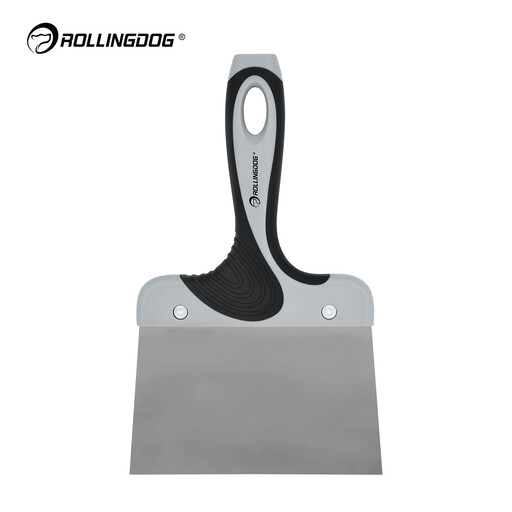
Why This Fits Their Persona: This wide taping knife is the specialist tool for anyone taping drywall joints or skim coating entire wall surfaces. The 5.5-inch wide blade allows for fast and even application of joint compound.
The polished blade made of 420-grade stainless steel is not only corrosion-resistant but also ensures an exceptionally smooth finish. The ergonomic rubber grip provides the necessary control for precise work on large areas.
The wide, flat blade is specifically designed for bedding and finishing joint compound to create seamless, level surfaces on walls and ceilings. Ideal for professional results in drywalling.
We have compiled a complete, up-to-date list of products that fully meet these strict selection criteria and safety standards.
Clean the blades thoroughly with water immediately after each use to prevent the compound from hardening. Then, dry the tool completely, especially the blade and the area where it meets the handle. This is the most important step to maintain corrosion resistance over the long term, even with high-quality stainless steel.
As a rule of thumb:
A joint knife (often called a putty knife) is typically narrower (around 4") and has a flexible blade for precisely pressing compound into the joints of drywall panels. A taping knife is significantly wider (6" to over 20") and is used to smooth large areas evenly or to apply a thin skim coat of compound.