
Lieferung heute & morgen

Qualitätsgarantie

Willkommens-Angebote freischalten: KOSTENLOSE Lieferung | Bis zu 80 % RABATT | Kostenlose 30-Tage-JoyPlus-Testphase
App herunterladen
For professional tradespeople and ambitious DIY enthusiasts, achieving a flawlessly smooth surface is the goal of any plastering or filling project. Imperfections, messy joints, or bubbling are not just cosmetic flaws; they also require time-consuming rework. The choice of the right tool is therefore critical for both efficiency and the quality of the result. An unsuitable putty knife can lead to wasted material, fatigue, and an unsatisfactory finish. This article serves as a practical guide to help you find the right putty knife set for your specific drywall, renovation, or repair project.
The selection of putty knives is vast, and the differences are in the details. Three key criteria will help you make an informed decision and purchase a tool that meets the demands of professional applications.
The blade is the heart of any putty knife. Stainless steel putty knives are often the preferred choice. The material is corrosion-resistant, which is a significant advantage when working with water-based compounds. A rust-proof blade prevents discolouration on the wall and ensures the tool's longevity. Pay attention to the quality of the stainless steel (e.g., 420-grade stainless steel) and whether the blade is flexible or stiff. A flexible blade conforms better to surfaces and allows for clean feathering of the compound, while a stiff blade can apply more pressure for removing old material.
The size of the putty knife must match the task. A complete painter's tool set typically includes various widths for different purposes:
Long workdays require tools that fit comfortably in your hand. Ergonomically shaped handles, often with a soft-grip coating, reduce hand fatigue and improve control over the blade. Some professional putty knives, often referred to as plastering knives or professional painter's knives, feature an integrated metal cap on the handle end. This hammer-end is useful for making minor adjustments to drywall sheets or for setting protruding screw heads without having to switch tools.
Based on the quality criteria mentioned, we have compiled a selection of tools suitable for various applications. If you want to buy a putty knife that combines functionality and durability, the following products provide a solid foundation.
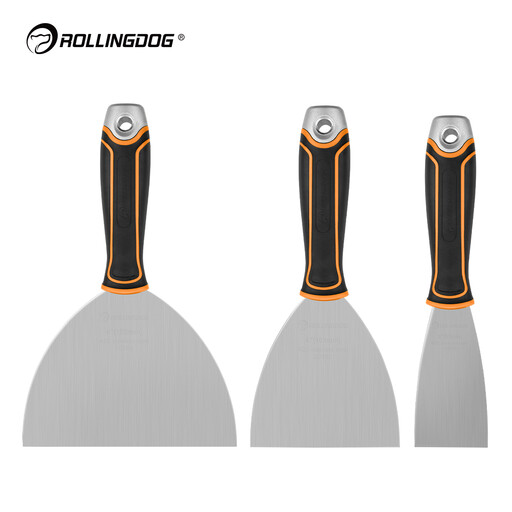
Why it stands out: This set is a versatile starter kit for renovation and repair jobs. With widths of 5 cm (2"), 10 cm (4"), and 15 cm (6"), it covers the most common applications. The blades are made of flexible, hollow-ground 420-grade stainless steel, which allows for even application and smoothing of putty. The robust metal hammer-end on the handle adds to its functionality.
Advantages:
For whom is it suitable: This set is ideal for DIYers and professionals who need a reliable and versatile painter's tool set for general putty work, from filling joints to surface preparation.
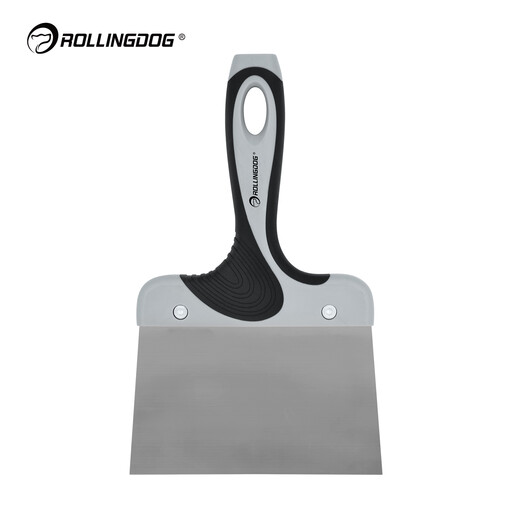
Why it stands out: This 14 cm wide taping knife is specifically designed for finishing drywall joints. The polished, flat blade made of 420-grade stainless steel is corrosion-resistant and glides effortlessly over the surface to apply and feather compound smoothly. The ergonomic handle provides maximum control for precise results.
Advantages:
For whom is it suitable: A specialised tool for drywallers and painters looking for a professional painter's knife for seamlessly taping and smoothing joints to create a perfect wall surface.
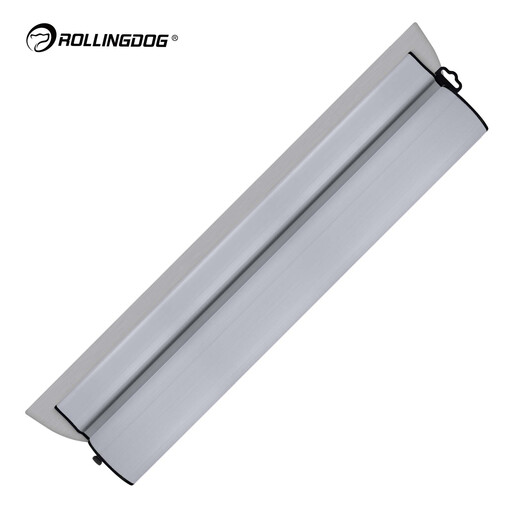
Why it stands out: Efficiency is key when smoothing large surfaces. This 60 cm wide skimming blade allows for fast and even application of plaster or compound on walls and ceilings. A special feature is the replaceable blade made of #201 stainless steel, which makes the tool economical in the long run. It is also compatible with ROLLINGDOG brand extension pole adapters.
Advantages:
For whom is it suitable: This wide blade is aimed at professional drywallers and plasterers who regularly skim large surfaces and require a tool for maximum efficiency and a perfect surface finish.
If you need specialised tools or additional equipment for your project, you can find more professional solutions in our range.
? Discover more professional tools, such as high-quality stainless steel rollers, in our selection.
A simple rule of thumb is:
To maximise the life of your tool, you should thoroughly clean the blade with water immediately after each use to prevent the compound from hardening. Then, dry the blade and handle completely before storing the putty knife. This prevents rust on non-stainless parts and maintains the quality of the blade.
The terms are often used interchangeably. Traditionally, a plastering knife may have a slightly stiffer and more robust blade, designed for applying thicker plaster. A painter's knife is often more flexible and is used more for filling, smoothing, and final finishing with finer compounds. In practice, however, the functions overlap significantly, and the choice depends more on the specific blade quality and shape than on the name.