
Lieferung heute & morgen

Qualitätsgarantie

Willkommens-Angebote freischalten: KOSTENLOSE Lieferung | Bis zu 80 % RABATT | Kostenlose 30-Tage-JoyPlus-Testphase
App herunterladen
A putty knife set is part of the basic equipment needed for many renovation jobs: repairing holes, applying joint compound, smoothing uneven surfaces or removing old paint residue. Even so, some purchasing decisions can quickly lead to unnecessary costs. For example, an inexpensive set may contain unsuitable blade widths, while a single decorator’s knife can be too slow for larger areas.
Before buying, DIY enthusiasts, decorators, dryliners and professional tradespeople should therefore look beyond the price or marketing terms such as “extra durable”. The key factors are blade material, flexibility, width and handle design.
A narrow filling knife is suitable for small drill holes and narrow cracks. However, a 100 mm blade is considerably more practical for joints in plasterboard or larger wall areas. Conversely, a wide smoothing knife can be difficult to control during fine repairs.
A 3-piece putty knife set with different widths therefore offers more versatility than a single tool. It is important that the sizes actually match the type and scale of work you intend to carry out.
A rigid blade can leave visible edges when applying filler. A very flexible putty knife blade adapts better to surfaces, but may give way under heavy pressure. For wall repairs and plasterboard work, controlled flexibility suited to the application is the best choice.
Dried joint compound or plaster residue can damage the edge and make it harder to guide the tool evenly. This is particularly important with stainless steel putty knives. Clean the blade immediately after use with water or a cleaning product suitable for the compound, then dry it thoroughly.
Stainless steel is often used for a decorator’s knife. With proper care, the material is corrosion-resistant and easy to clean. The exact grade of steel is still relevant, however: the ROLLINGDOG Putty Knife 76mm, for example, is specified as being made from 420 stainless steel. According to the product details, the ROLLINGDOG Skimming Blade 60cm uses a replaceable blade made from #201 stainless steel.
The finish is just as important as the material:
A hollow, flexible blade design can help create an even finish when spreading filler or joint compound. However, it does not replace the right technique or the correct consistency of the material being used.
The following sizes provide useful guidance when choosing a putty knife set:
The actual suitability depends on the substrate, material and desired surface finish. A wide tool is not automatically suitable for every repair.
A non-slip handle can make the tool easier to control during longer jobs. A hanging hole or reinforced end cap can also be useful. The latter may be used for light tapping with certain tools, but should not be mistaken for a proper hammer.
For renovation tools in the home, a well-organised selection of narrow, medium and wide blades is recommended. This ensures that you have a suitable tool available for both precise repairs and plasterboard work.
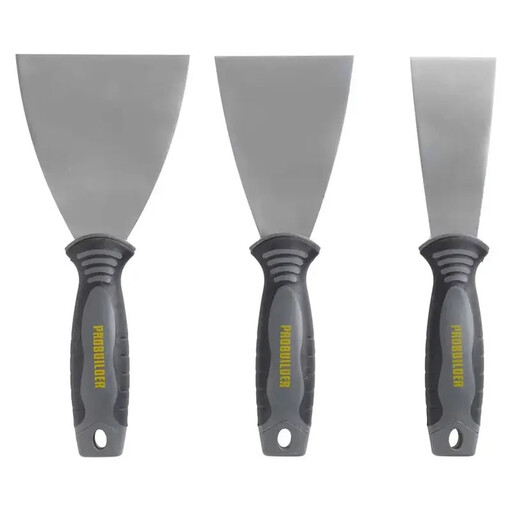
Why this product suits this profile: This 3-piece set contains 50, 75 and 100 mm putty knives, covering small to medium-sized repairs around the home. The soft-grip handle makes it easier to use during occasional renovation work.
The three widths reduce the risk of needing to buy a separate tool for every repair. The stainless steel blades are designed for applying and smoothing filler.
Three blade widths, a soft-grip handle and, according to the product details, a five-year warranty.
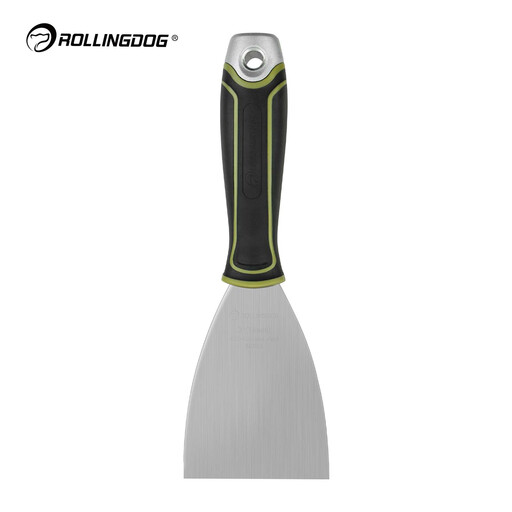
Why this product suits this profile: This 76 mm stainless steel putty knife is designed for controlled detail and repair work. The flexible, hollow-ground blade can adapt to the substrate when spreading filler.
The stated blade width is clearly specified, making it easier to judge whether the tool is suitable for small wall repairs or medium-sized areas.
420 stainless steel, a flexible hollow-ground blade, rubber handle, hanging hole and reinforced metal end cap.
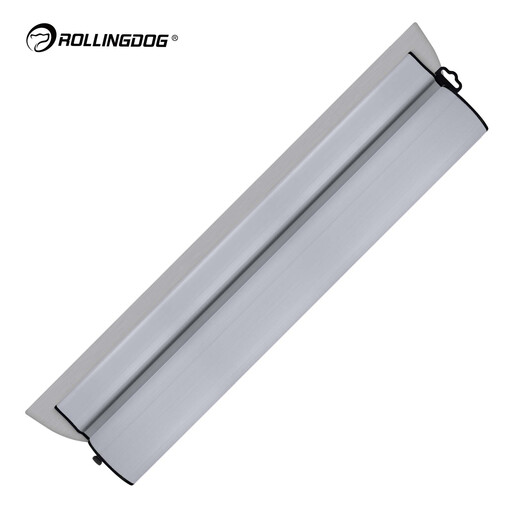
Why this product suits this profile: The 60 cm width is designed for larger plasterboard and renovation areas. This tool is intended for smoothing plaster and filler across wide sections of wall.
The clearly stated working width prevents a small putty knife from being used for large-scale work. The blade can be replaced when worn.
60 cm blade, replaceable #201 stainless steel blade and compatibility with suitable ROLLINGDOG extension adapters.
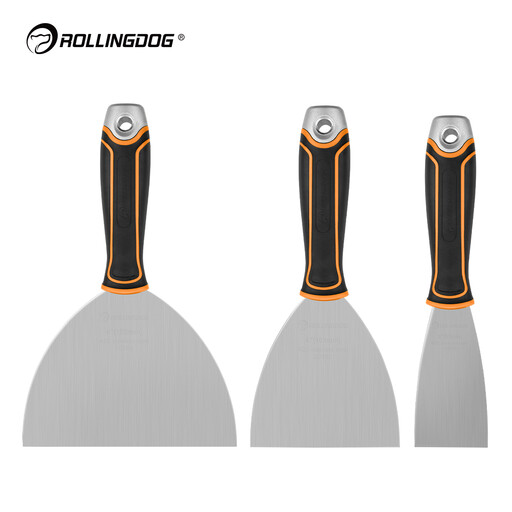
Why this product suits this profile: The set combines 2, 4 and 6-inch blades, making it suitable for detail work, joints and wider smoothing during plasterboard installation.
The graduated widths avoid the limitations of relying on a single blade. Each blade can be cleaned separately after use and stored dry.
Three 420 stainless steel blades, flexible hollow-ground design, rubber handles and hanging holes.
We have put together a complete, regularly updated list of products that fully meet these strict selection criteria and the safety regulations applicable in the EU.
To keep a putty knife suitable for wall repairs for as long as possible, follow these simple steps:
For occasional repairs, a 3-piece putty knife set with blades between 50 and 100 mm wide is a practical choice. It allows you to tackle small holes, cracks and medium-sized areas without having to buy several individual tools.
For joints and smaller transitions, widths of around 75 to 100 mm are often easy to handle. For wider areas, a 150 mm putty knife or a specialist 60 cm smoothing tool may be a better option. The size of the area and the working speed you require are the main considerations.
The stainless steel putty knife should be completely dry after cleaning. A hanging hole makes separate storage easier. This keeps the blade and handle free from dried-on material residue that could affect future work.