
Lieferung heute & morgen

Qualitätsgarantie

Willkommens-Angebote freischalten: KOSTENLOSE Lieferung | Bis zu 80 % RABATT | Kostenlose 30-Tage-JoyPlus-Testphase
App herunterladen
Puzzle and brain-teaser games can add something meaningful to a family afternoon, a birthday gathering or a long journey. There’s plenty to choose from, from classic children’s jigsaw puzzles to logic and educational games, detective stories and escape-room adventures. However, the recommended age, difficulty level and scope of a game don’t always match what you actually need.
‘Ages 4+’ or ‘ages 8+’ is a useful guide, but it doesn’t tell you on its own whether a game suits a child’s stage of development. A 200-piece puzzle may be much more challenging for a child at the younger end of the age range than a set with several smaller pictures. When choosing games for children aged 4+, you should also check the number of pieces, the design of the picture and whether any guidance materials are included.
Many educational games for children promise to develop concentration, logic or creativity. However, these general claims aren’t measurable proof of quality. More useful details include:
Puzzles can help children practise sorting by colour and shape, as well as hand–eye coordination. However, this doesn’t mean they have a therapeutic or medical effect.
In classic escape-room games for children, cards or other components may need to be folded, written on or altered. This can mean the game can’t be played again in full after one round. If you’re looking for a game you can use again and again, check that it has a repeatable game mechanic. With interactive puzzles, it’s also worth checking whether the story can be played once or multiple times.
For younger children, large, easy-to-distinguish pictures and a manageable number of pieces are practical choices. A set of three 48-piece puzzles offers variety without having to buy a new picture each time. For children aged 7 or 8+, 200-piece puzzles, spatial challenges and their first logic games for children may be suitable.
It’s also worth checking whether the game offers any extra guidance. A poster showing the cut lines can help beginners without giving the whole solution away.
A card game with yes-or-no questions works well for small groups and journeys. A board game where everyone solves puzzles at the same time is more suited to a shared family evening. When choosing family games, parents and grandparents should check whether children and adults can take part at a similar level, or whether there are several difficulty levels.
Puzzle pieces are usually made from printed cardboard, while logic games often contain plastic components. Look for:
Adult supervision is particularly useful for games involving fossil digs, small accessories or digital instructions.
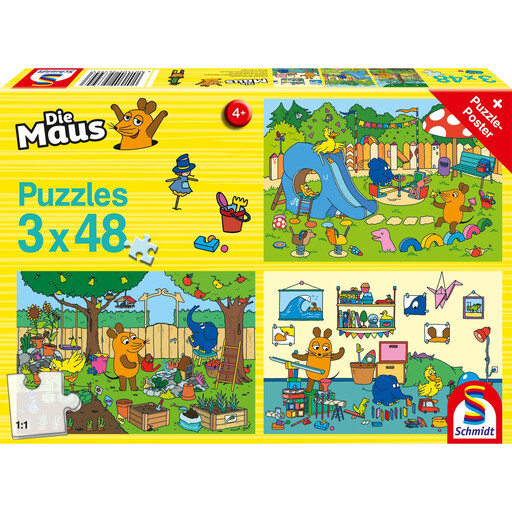
Why this product suits this need: According to the product details, this set is for children aged 4+ and includes three different pictures, each with 48 pieces. It’s a good choice for regular puzzle sessions at home as children get started.
The manageable number of pieces makes it less daunting for beginners. Puzzle posters with cut lines offer guidance without the need for extra accessories.
Three pictures, 48 pieces each, cardboard pieces and no batteries required.
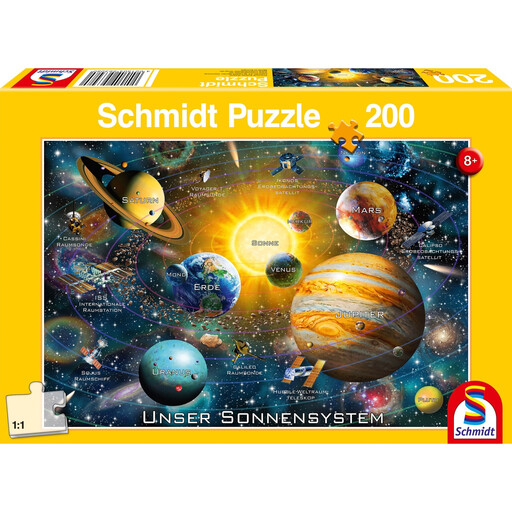
Why this product suits this need: The space-themed picture will appeal to children aged 7+ who are interested in astronomy and looking for a more substantial puzzle.
The stated number of pieces and age recommendation make it easier to judge the level of challenge. A poster with cut lines helps beginners get started.
200 precision-cut cardboard pieces, a matt finish and a Solar System theme.
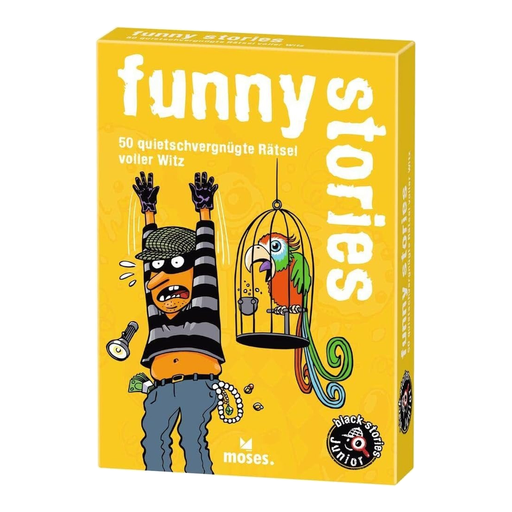
Why this product suits this need: The 50 cards can be played co-operatively or competitively. Its compact size makes it a handy choice for journeys, birthdays and quick games.
The product details specify the age, number of cards, dimensions and game format, making it easier to plan for play on the go.
50 brain-teaser cards, a compact 9.4 × 13.3 × 2.4 cm box and no batteries required.
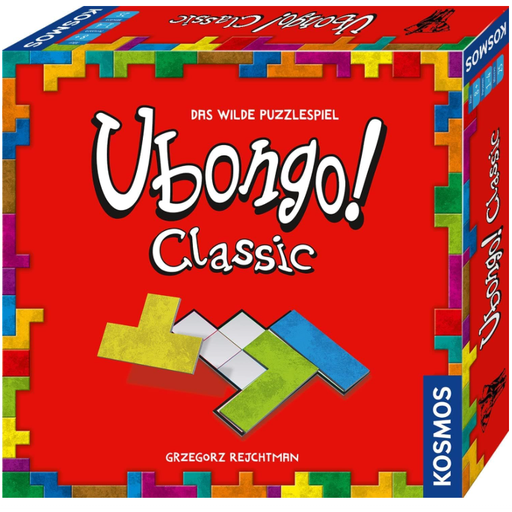
Why this product suits this need: This board game is designed for 1 to 4 players aged 8+ and has two difficulty levels. This makes it a good option for families with players of varying experience.
The number of players and the two difficulty levels are clearly stated. You can check in advance whether playing simultaneously suits your family.
1 to 4 players, 648 puzzles listed, two difficulty levels and an optional explanatory app.
We’ve put together a complete, regularly updated list of products that meet these strict selection criteria and fully comply with the safety regulations in force in the EU.
Puzzles with manageable pictures, larger pieces and a clear age recommendation are usually a good choice. A set of three 48-piece puzzles can offer plenty of variety. The key question is whether your child can already sort and assemble the pieces independently or still needs guidance.
Compact card games with 50 brain-teaser cards take up little space and don’t need batteries. They’re suitable for car, train or plane journeys, as long as the group has enough room to sit and talk. Check the dimensions, number of players and language before buying.
How long they last depends on the materials, storage and game mechanics. Classic puzzles can be put together many times if all the pieces are kept together. By contrast, escape-room games that involve folding, writing or cutting are less reusable. Card and logic games generally last longer if all the pieces are kept dry and stored together.