
Lieferung heute & morgen

Qualitätsgarantie

Willkommens-Angebote freischalten: KOSTENLOSE Lieferung | Bis zu 80 % RABATT | Kostenlose 30-Tage-JoyPlus-Testphase
App herunterladen
As a Joybuy Product Recommendation Officer, I see the vast selection of puzzle games available every day. But not every game that claims to boost concentration and logical thinking delivers on its promise. Many buyers invest in products that cause frustration instead of joy after just a short time. This guide will help you avoid the typical pitfalls and make an informed decision, whether you're looking for an educational game for a child or a challenging brain teaser for yourself.
Before we dive into the selection criteria, let's look at the most common reasons for purchase regret. If you know what they are, you can actively avoid them.
To separate the wheat from the chaff, you should check three key parameters before buying. These will help you objectively assess a game's quality and suitability.
The tactile feel and durability of a game are crucial for long-term enjoyment. Look for the following features:
A good puzzle game challenges without overwhelming. Replayability determines whether a game remains interesting after you've solved it once.
Think carefully about where and by whom the game will be used.
Based on the criteria above, we have identified some products that are well-suited for specific user groups.
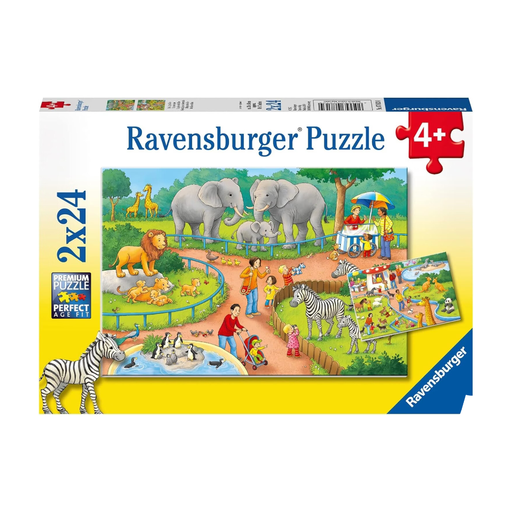
Why It's a Great Fit: Perfect for young children getting their first experience with puzzles. The animal themes spark curiosity, and the manageable piece count allows for quick, rewarding successes.
The extra-thick cardboard prevents pieces from bending (avoids Pitfall 2). The age rating is appropriate for the piece size and count, preventing frustration (avoids Pitfall 1).
Two puzzles in one box offer double the fun and great value for money. Proven to promote logical thinking and concentration.
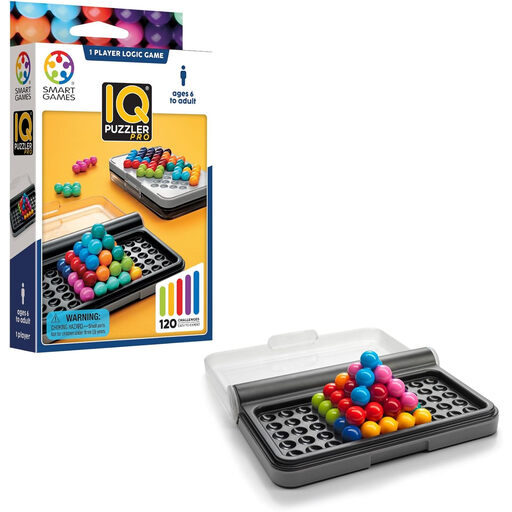
Why It's a Great Fit: A compact, single-player logic game that's perfect for travel, the waiting room, or a lunch break. It challenges the brain without taking up much space.
The game board doubles as a storage case with a lid, so no pieces get lost. It's a true travel game, thus avoiding Pitfall 3 (impractical design).
120 challenges across three different modes (2D and 3D) offer tremendous replay value and a rising difficulty curve for long-lasting puzzle fun.
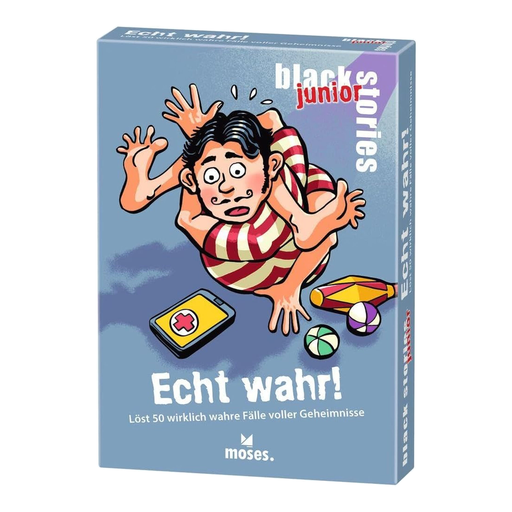
Why It's a Great Fit: An interactive card game that's excellent for families or kids' birthday parties. Players must work together to uncover a mysterious story by asking clever yes/no questions.
The simple game principle doesn't require reading lengthy rules (avoids Pitfall 3). The themes are suitable for children ages 8 and up, making the age rating realistic (avoids Pitfall 1).
Actively promotes communication, creative thinking, and logical deduction within a group. The 50 different cases, based on true events, provide long-lasting entertainment.
We have compiled a complete, up-to-date list of products that fully meet these strict selection criteria and all relevant safety regulations.
The manufacturer's age rating is a starting point, but it's not the only factor. Consider your child's individual skills and interests. For younger children (3-5 years), puzzles with few, large pieces (15-30 pieces) and frame puzzles are suitable. For older children (8+), you can choose more complex logic games with progressive challenges or mystery games that require abstract thinking.
A good travel game has four key characteristics:
Yes, 3D puzzles are an excellent way to train spatial reasoning skills. There are simple models for children aged 8 and up, made of sturdy plastic parts that assemble without any glue. Start with a model that has a manageable number of pieces and a theme that excites your child to keep motivation high. For beginners, 3D logic games like the IQ-Puzzler PRO are a great alternative, as they train three-dimensional thinking in small, manageable steps.