
Lieferung heute & morgen

Qualitätsgarantie

Willkommens-Angebote freischalten: KOSTENLOSE Lieferung | Bis zu 80 % RABATT | Kostenlose 30-Tage-JoyPlus-Testphase
App herunterladen
Puzzle games offer a welcome escape from the digital day-to-day. They challenge the mind, improve concentration, and bring people together for a shared challenge. But the market is vast, and not every game lives up to the promise on its packaging. Before you make a decision, it's helpful to know the typical pitfalls that often lead to disappointment instead of stimulating fun.
As your Joybuy Product Recommendation Officer, I'm here to help you navigate the marketing noise and make an informed choice.
Many buyers experience disappointment after unboxing their new game. This is often due to three recurring problems that can be avoided with a more deliberate selection process.
To avoid these pitfalls, you should check three key aspects before buying. These will help you separate the wheat from the chaff and find a game that truly suits you and your fellow players.
The first question should always be: Who is the game for?
Consider whether you're looking for a one-time event or a long-lasting activity.
The quality of the components is crucial for enjoyment and durability.
Based on the criteria above, we have selected a few products that are suitable for different profiles.

Why This Fits Their Persona: Ideal for groups looking for straightforward, communicative entertainment. The simple rules allow you to start playing immediately at parties or family gatherings.
The game has high replay value. Since the 50 riddles are independent of each other, it can be played anew in any round or group. The fun lies in the collective guessing, not in a one-time solution.
Compact card format, perfect for travel or as a small gift. Promotes deductive reasoning and group communication.
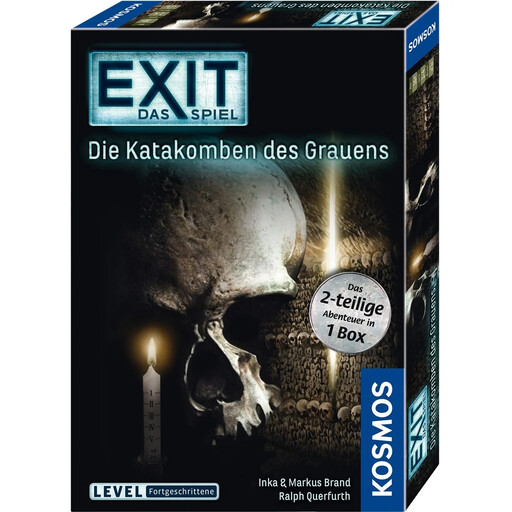
Why This Fits Their Persona: Delivers an authentic escape room feeling for your home. The captivating story and challenging puzzles are perfect for players seeking an immersive, story-driven challenge.
The game is explicitly designed as a single-play experience. The description makes it clear that materials will be altered, so no false expectations are set. The value lies in the intense, one-time event.
A cooperative adventure for 1-4 players. It promotes teamwork and creative thinking, as unconventional solutions are required.
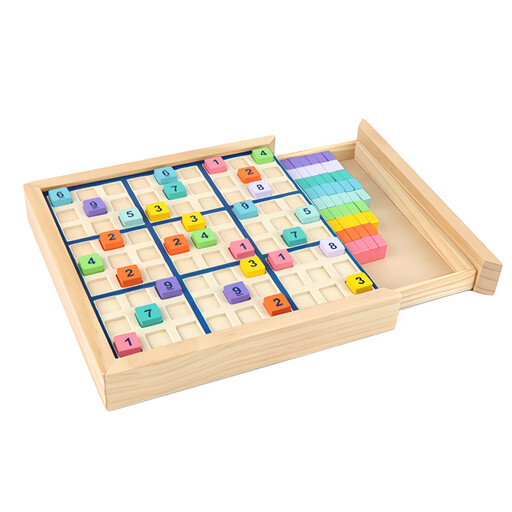
Why This Fits Their Persona: A classic brain teaser for one person that trains logical thinking and concentration. Ideal for a quiet, relaxing, yet challenging solo activity.
The high-quality wooden construction ensures durability and a pleasant tactile feel, unlike paper versions that wear out quickly. The replay value is virtually unlimited thanks to countless Sudoku combinations.
Combines different difficulty levels (4x4, 6x6, 9x9) in one set. The integrated drawer for storing the game pieces is a practical and thoughtful detail.

Why This Fits Their Persona: Combines the challenge of a 3D puzzle with the practical utility of a functional object. Perfect for anyone who not only wants to solve a puzzle but also create something with their own hands.
This is not just a game, but a project. The value lies in the building process and the functional end result. The expectation is set from the start on creating a personalized, usable item.
A unique combination of craftsmanship, model building, and technology. The finished product is not just a decoration but a functioning Bluetooth speaker.
Our collection includes a wide variety of games that meet our criteria for material quality, game design, and long-lasting fun. Discover more puzzles and brain teasers for adults.
Yes, the concept of these games is based on writing on, folding, or cutting the materials. This is a deliberate part of the design to create a particularly immersive experience. The appeal lies in the one-time, collaborative solving of the mission, which makes every game night a special event.
A good detective game promotes cooperation and communication. Look for clear rules, a compelling backstory, and ensure that all players are actively involved in finding the solution. Games like MicroMacro: Crime City are a great example, as everyone simultaneously searches for clues on a large game board and can share their observations.
The terms are often used interchangeably, but there is a subtle distinction. A patience game typically focuses on a mechanical challenge for one person, such as untangling metal parts or solving a 3D labyrinth. A brain teaser is a broader term that can also include logical, mathematical, or story-based puzzles and can be aimed at both solo players and groups.