
Lieferung heute & morgen

Qualitätsgarantie

Willkommens-Angebote freischalten: KOSTENLOSE Lieferung | Bis zu 80 % RABATT | Kostenlose 30-Tage-JoyPlus-Testphase
App herunterladen
Welcome, I am your Joybuy Product Recommendation Officer. My mission is to filter through market information and provide you with objective, practical advice so you can make the right purchasing decision without falling for marketing hype.
Puzzle games are an excellent way to challenge your mind and have a fun time, whether alone or with company. However, the market is flooded with products that promise more than they deliver. Before you invest, you should be aware of the typical pitfalls that often lead to disappointment.
To avoid a bad buy, focus on objective criteria rather than advertising promises. These three parameters are crucial for the quality and long-term value of a puzzle game.
The tactile feel and stability of a game are often a direct indicator of its lifespan. Pay attention to the following features:
A good logic game grows with the player's skills.
Consider the purpose for which you need the game.
Here are some recommendations tailored to specific use cases and requirements.

Why This Fits Their Persona: Ideal for toddlers who are developing basic motor skills through play. The book is quiet, screen-free, and promotes concentration and hand-eye coordination through everyday tasks like buttoning and lacing.
The toy is made of soft, durable felt with reinforced stitching, which bypasses the trap of poor durability. The activities are precisely tailored to the 1- to 3-year-old target group, thus avoiding being over- or underwhelming.
Bundles 15 different activities into one lightweight, portable book. All parts are securely attached to ensure safety for toddlers.
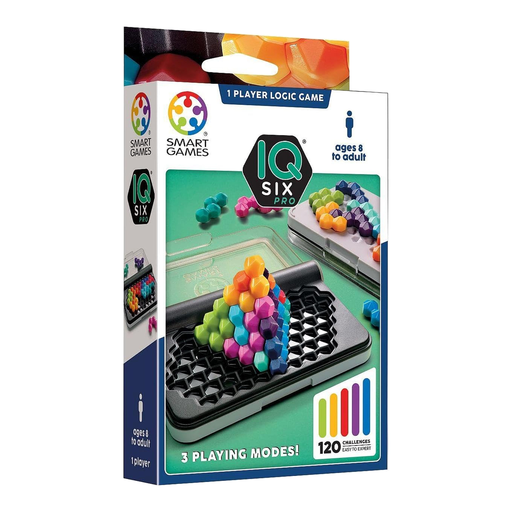
Why This Fits Their Persona: Perfect for commuters, travellers, or anyone looking for a compact yet challenging solo puzzle. It promotes logical thinking and spatial reasoning and fits in any bag.
With 120 challenges across three different game modes (2D, 3D pyramid), it offers enormous replay value and avoids the trap of single-use puzzles. The difficulty is clearly tiered, allowing for a steady learning curve.
Three games in one: offers 2D challenges both inside and outside the game board, as well as a 3D pyramid mode. The sturdy plastic case with a lid secures all pieces for travel.
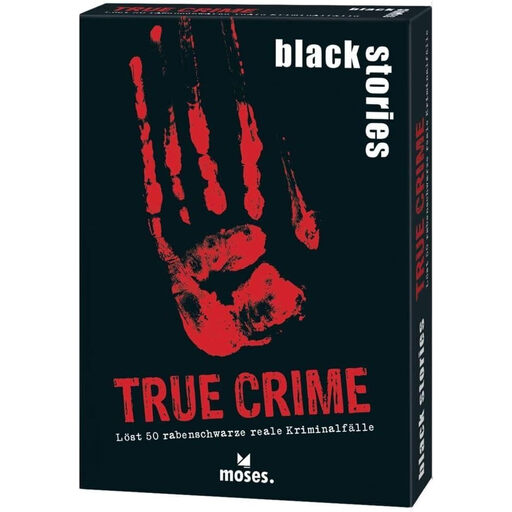
Why This Fits Their Persona: An excellent choice for parties, game nights, or as an icebreaker. The game encourages communication and deductive reasoning within the group. The dark, true-crime aspect particularly appeals to adults and teens.
The value lies in the interaction and collaborative solving, not in a physical puzzle. With 50 different stories, it offers high replay value for numerous evenings and bypasses the trap of a one-time experience.
Based on real criminal cases, which creates a unique level of suspense. The rules are extremely simple (only yes/no questions are allowed), so new players can join in immediately.
We have compiled a complete, up-to-date list of products that fully meet these strict selection criteria and German safety regulations.
1. How do I properly clean plastic or wooden puzzle games? For plastic games, a slightly damp cloth is usually sufficient. Avoid aggressive cleaning agents, as they can damage the material or colours. Wooden games should only be wiped with a dry cloth to prevent the material from swelling. Always store games in a dry place away from direct sunlight.
2. From what age are logic games really beneficial for children? While simple shape-sorters and peg puzzles are suitable for toddlers, structured logic games often become meaningful from the age of 4 to 6. More important than the manufacturer's age recommendation is the child's individual development. Start with games that have a very low entry barrier and a slowly increasing difficulty curve to avoid frustration.
3. What is the difference between an IQ puzzle and a regular puzzle? A classic jigsaw puzzle aims to assemble a predetermined image from many pieces. An IQ puzzle or logic game, on the other hand, presents a specific logical challenge. Instead of creating an image, players often have to arrange pieces according to certain rules, find a path, or create a specific configuration. Each task typically has only one correct solution.