
Lieferung heute & morgen

Qualitätsgarantie

Willkommens-Angebote freischalten: KOSTENLOSE Lieferung | Bis zu 80 % RABATT | Kostenlose 30-Tage-JoyPlus-Testphase
App herunterladen
Puzzles and brain teasers are more than just a pastime. They train concentration, promote logical thinking, and offer a welcome break from our digital daily lives. However, the market is crowded, and not every game delivers on its promise. As your Joybuy Product Recommendation Officer, I'll help you navigate the common pitfalls of purchasing and make an informed decision that brings long-lasting enjoyment.
The selection of puzzles and mind games is vast, but often, well-intentioned purchases lead to frustration instead of fun. Pay attention to these three points to avoid disappointment.
To find the right puzzle or brain teaser, a look at its fundamental characteristics is essential. These three parameters will help you separate the wheat from the chaff.
Especially with puzzles for children, material quality is a crucial criterion. Look for the following features:
Not all mind games are created equal. The mechanics largely determine the nature of the challenge.
A good balance between challenge and a sense of achievement is the key to long-lasting fun.
Based on the criteria mentioned, we have identified some products that are well-suited for different user groups.
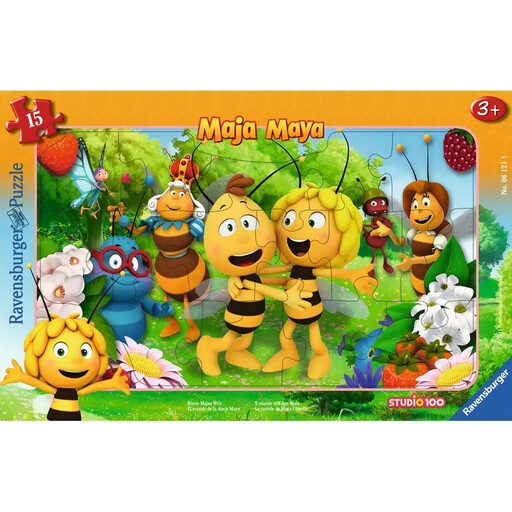
Why this product is a great fit: Ideal for puzzle beginners. The low piece count and the familiar Maya the Bee theme motivate toddlers without overwhelming them. The frame provides support and clear orientation, ensuring early success.
The age-appropriate complexity (15 pieces) and the sturdy frame prevent frustration (Mistake 1). The thick Ravensburger cardboard withstands even boisterous little hands (Mistake 2).
Playfully promotes perception and hand-eye coordination through the targeted search for shapes and colours.
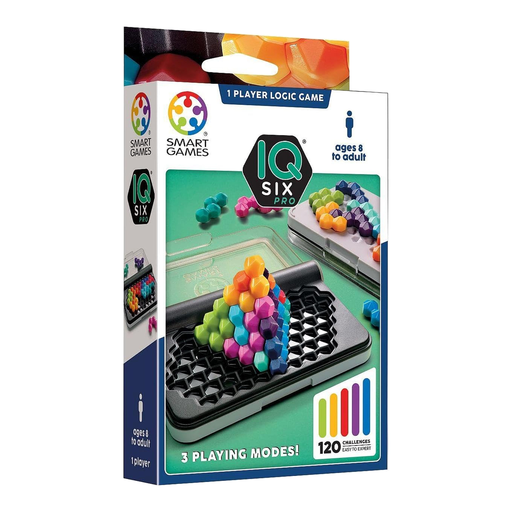
Why this product is a great fit: Perfect for travel or a quick mental workout. The compact design with a lid secures all pieces, while 120 challenges in three different modes (2D and 3D) provide long-lasting motivation.
The high-quality plastic construction is durable and precise (Mistake 2). The clearly tiered difficulty levels offer a genuine learning curve instead of an empty promise (Mistake 3).
Three game modes in one compact case offer high variety and promote spatial reasoning. An ideal travel game.
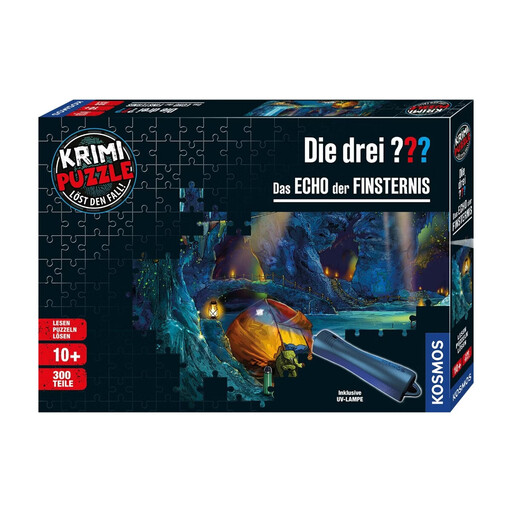
Why this product is a great fit: This game combines classic puzzling with a thrilling detective story. After assembling the 300-piece puzzle, a UV light is used to find hidden clues in the image to solve the case. Perfect for fans of "The Three ???".
The age rating is justified by the combination of puzzling, reading, and logical deduction (Mistake 1). The interactive element provides a tangible and exciting gameplay experience that goes far beyond a standard puzzle (Mistake 3).
A unique combination of reading, puzzling, and riddle-solving. This mystery puzzle promotes deductive reasoning and reading comprehension in an entertaining way.
We have compiled a complete, up-to-date list of products that fully meet these strict selection criteria and UK/EU safety regulations.
For puzzles for children under three, safety and durability are paramount. Look for the CE mark and conformity with the EN 71 toy safety standard. The pieces should be large enough not to be a choking hazard and made from sturdy material like thick cardboard or wood that can withstand intensive use.
Good brain teasers create a state known as "flow." They present a clear task with an achievable goal. Through a gradual increase in difficulty, the player is neither underwhelmed nor overwhelmed. This process requires sustained, focused attention to find the solution, thus training concentration skills naturally.
Compact games with a securely closing lid, like those in the IQ series from Smart Games, are designed as travel games. The lid ensures that all pieces are safely stowed and won't get lost, even with bumps and shakes in a car or train. This allows the game to be started anytime, anywhere, without any lengthy setup.