
Lieferung heute & morgen

Qualitätsgarantie

Willkommens-Angebote freischalten: KOSTENLOSE Lieferung | Bis zu 80 % RABATT | Kostenlose 30-Tage-JoyPlus-Testphase
App herunterladen
Puzzles and brain-teasers can be a great addition to a quiet family afternoon, a journey or a birthday. There’s plenty to choose from, from classic puzzles for children aged 5 and over to 200-piece puzzles and escape-room games for children aged 8 and over. But the recommended age, difficulty and scope of play won’t always suit every child.
If you choose based only on the picture or packaging, it’s easy to miss important details. Here are three common pitfalls:
Check the manufacturer’s recommended age against your child’s abilities and previous experience with games. A 200-piece puzzle for children aged 8 and over may be a good fit for an experienced puzzler, while beginners may benefit from a picture poster or colours that are easy to tell apart.
For younger children aged 5 and over, clear rules and manageable tasks are particularly important. For example, adult supervision is recommended for children aged 5 to 7 playing Kosmos EXIT Kids. This isn’t a flaw in the product; it simply gives you a realistic idea of what playing it involves.
The number of pieces alone doesn’t tell you how difficult a puzzle will be. A 200-piece puzzle with a detailed picture may be more challenging than one with a simpler image, even if they have the same number of pieces. Other things to consider include:
For cardboard puzzles, neatly cut pieces, an easy-to-read reference picture and dry storage are all worth considering. For plastic parts, check the packaging for information about materials and safety.
The warning ‘Not suitable for children under 3 years’ usually refers to small parts that could be swallowed. It doesn’t replace checking whether your child can handle the pieces safely. Adult supervision is a good idea with an excavation kit or small game pieces. The products mentioned here don’t require batteries, but an optional app may need a smartphone or tablet.
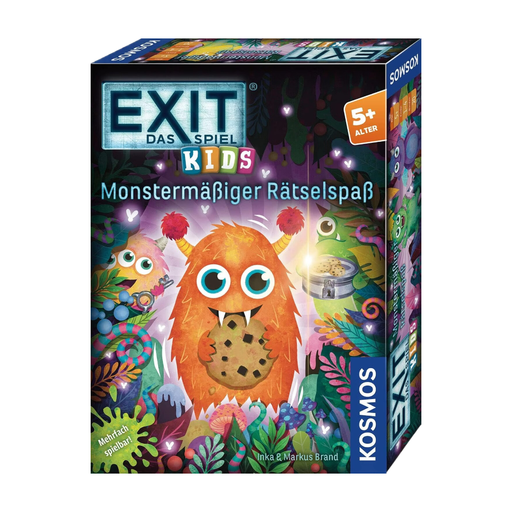
Why this product suits this profile: Designed for children aged 5 and over, this game offers an introduction to puzzles and escape-room challenges that’s suitable for younger players. It’s designed for 1 to 4 players and can be enjoyed together during a family afternoon.
The rules are designed to make it easy to get started. Younger children are expected to have an adult guide them, so the supervision required is clear from the outset.
Suitable for ages 5 and over, 1–4 players, no batteries required, plus an optional app with a timer and hints.
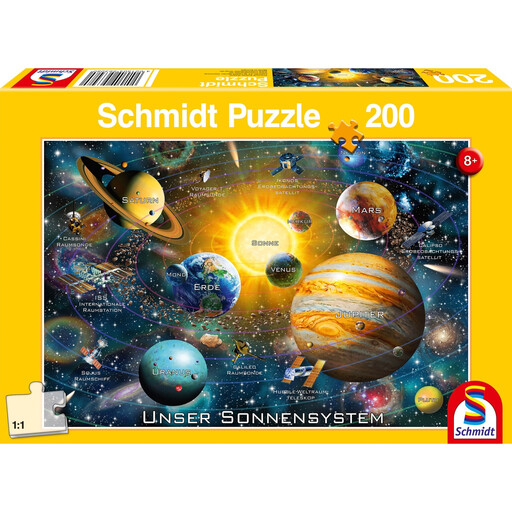
Why this product suits this profile: Combining traditional puzzling with a space theme, this design is recommended for children aged 7 and over. A poster with marked outlines helps you get started.
The puzzle comes with a poster showing the finished picture, so you can get a better idea of the difficulty before buying than you could from the image on the packaging alone.
200 pieces, a matt, textured surface according to the product description, and a completed size of 27,5 × 19 cm.
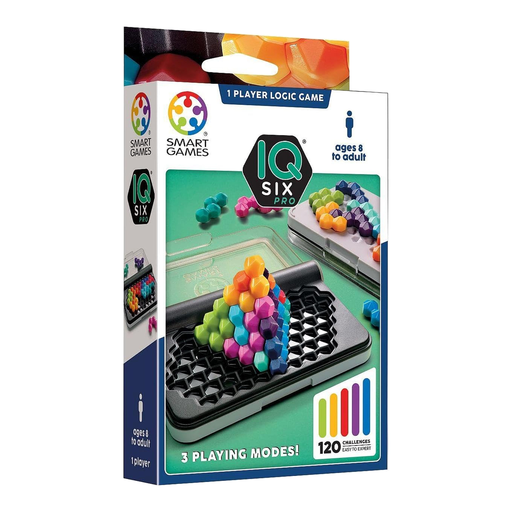
Why this product suits this profile: This compact logic game for children aged 8 and over is designed for one player. According to the product details, it’s ideal for playing on the go, whether you’re on a train, in the car or travelling.
At around 9,6 × 3 × 14,4 cm, its size gives you a clear idea of how much space it takes up. The three game modes are clearly specified: 2D, 3D pyramid and butterfly shape.
Three ways to play, 120 challenges according to the product details, plastic pieces and no batteries required.
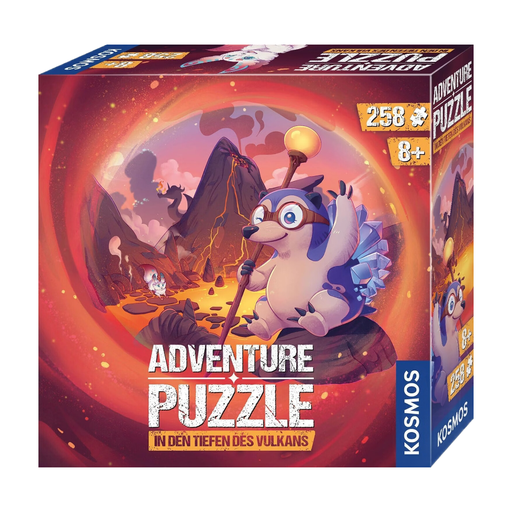
Why this product suits this profile: For children aged 8 and over, this adventure puzzle combines 258 pieces with an ongoing story. It’s designed for 1 to 3 players, who can read the story together or explore it independently.
The product description explains how to play, step by step. This helps you see before buying that the game involves more than putting a picture together: you’ll also follow a story.
258 pieces, 1–3 players, optional KOSMOS app and an interactive storytelling approach, with no batteries required.
We’ve put together a complete, regularly updated list of products that meet these strict selection criteria and comply with the safety regulations in force in the EU.
The key things to consider are the recommended age, the size of the pieces and whether adult supervision is needed. A children’s puzzle for ages 5 and over should have clear tasks and a picture that’s easy to sort. A cooperative brain-teaser game such as Kosmos EXIT Kids could be a good option if an adult helps children get started.
A 200-piece puzzle can be a good fit for a child aged 8 and over, provided they already have some experience with puzzles. The detail in the picture, the size of the pieces and any aids, such as a poster, all affect how challenging it will be. If you’re unsure, a clearly structured picture with a reference image is often easier to tackle than a large area of similar colours.
Compact card and logic games are usually more practical for journeys than large puzzles. Look for a sturdy box, check how many people can play and make sure you can pack away any unfinished challenges safely. For family trips, detective games or quick yes-or-no puzzles can be a space-saving alternative.