
Lieferung heute & morgen

Qualitätsgarantie

Willkommens-Angebote freischalten: KOSTENLOSE Lieferung | Bis zu 80 % RABATT | Kostenlose 30-Tage-JoyPlus-Testphase
App herunterladen
Puzzles and Rubik’s Cubes differ significantly in material, difficulty level, space requirements and usage. A single image alone is therefore not enough as a buying criterion. If you are looking to buy a 3D puzzle, a classic jigsaw puzzle or a speed cube, you should check a few technical and practical points beforehand.
An attractive image says little about whether the puzzle suits the intended user. A 1000-piece puzzle can be suitable for teenagers and adults, whereas a 2000-piece puzzle requires considerably more sorting space and time. For children aged 6 or 8, large, easy-to-grip pieces and a clear age recommendation are more important than a high piece count.
With 3D puzzles too, the stated number of pieces is not the only deciding factor. A model with 216 numbered plastic pieces can be more straightforward to assemble with step-by-step instructions than a smaller kit with many unmarked individual parts.
Labels such as “Premium”, “Pro” or “Professional” should not be taken at face value. Instead, look for concrete details:
With a wooden puzzle or 3D wooden puzzle, fit inaccuracies, incompletely cut pieces or delicate edges can make assembly more difficult. With a cube, on the other hand, a stable internal mechanism and smooth turning movements are crucial.
Puzzles and Rubik’s Cubes often contain small parts. The manufacturer’s age recommendation should match the child’s developmental stage. Products with small parts are not suitable for children under 3 years old. For the Ravensburger Big Ben 3D Puzzle, for example, use is recommended from age 8; for children under 10, help with sorting and assembling may be useful.
Complex mechanical models such as the Robotime ROKR Marble Spaceport are intended for ages 14 and up. The included balls, gears and moving parts require a stable work surface and adult supervision or assistance.
For a first introduction, children’s puzzles, simple 3D models or a classic 3x3 cube are suitable. A 2x3x3 Classic Sticker Cube offers a rectangular shape and therefore differs from a standard cube. It can be interesting for beginners who want to learn their first turning sequences and then try out other cube shapes.
A 7x7 Rubik’s Cube is aimed more at users who already have experience with multiple layers and more complex solving sequences. A Pyraminx offers a different movement logic thanks to its pyramid-shaped construction. For speedcubers, in addition to shape, turning resistance, corner cutting, stability and the ability to move the cube in a controlled manner are particularly important.
For jigsaw puzzles made of cardboard, precise die-cutting, a clearly legible print and a grippy surface are practical selection criteria. The Schmidt Spiele puzzles in this selection are described as having a linen-textured, matt surface and precisely cut pieces. This finish reduces annoying light reflections, but does not replace checking the piece count and age recommendation.
ABS plastic is widely used in Rubik’s Cubes and mechanical puzzle models. With sticker cubes, you should pay attention to the durability of the stickers. Stickerless models such as the 7x7 Speed Cube have coloured plastic surfaces instead of separate stickers. This can make care easier, but alone says nothing about the individual turning quality.
Before buying a 3D puzzle, you should consider the eventual display space. The CUBIC FUN 3D Puzzle NG St. Paul’s Cathedral model measures 40.5 × 22.5 × 27 cm when assembled. Such a London model is therefore also suitable as decoration, but needs more space than a small Big Ben puzzle.
Mechanical kits with a motor require additional conditions. With the Robotime model, the motor is powered via a USB port at 5 V; batteries are not required. Electrical components should be cleaned dry and disconnected from the USB cable if not used for a long time.
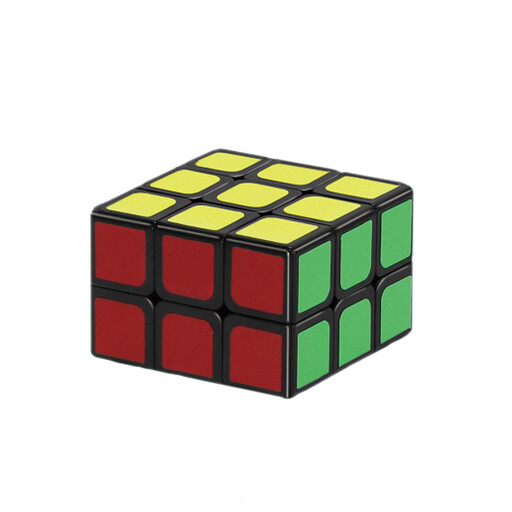
Why this product fits the profile: The compact shape, ABS plastic housing and manual operation make the cube suitable for first turning exercises and on-the-go use.
The product description specifies material, dimensions, age recommendation and care instructions concretely, rather than using only general performance terms.
Rectangular 2x3x3 design, sticker surface, compact dimensions and no batteries required.
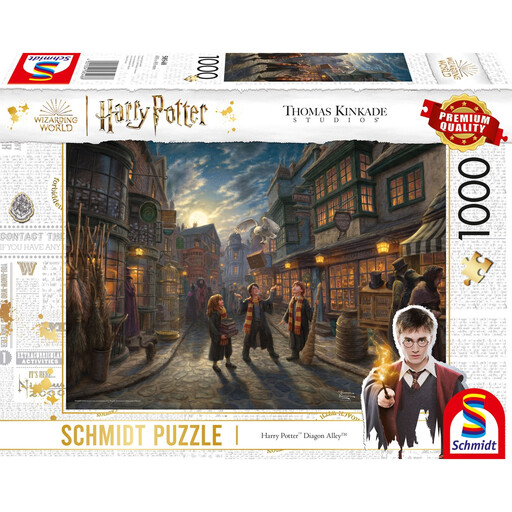
Why this product fits the profile: The Harry Potter puzzle combines a licensed image with 1000 pieces, a matt linen texture and an age recommendation of 12+.
Piece count, material, surface type and finished product dimensions are stated, making it easier to plan your puzzle space.
1000 precisely cut pieces, matt surface with linen texture and a Diagon Alley motif.
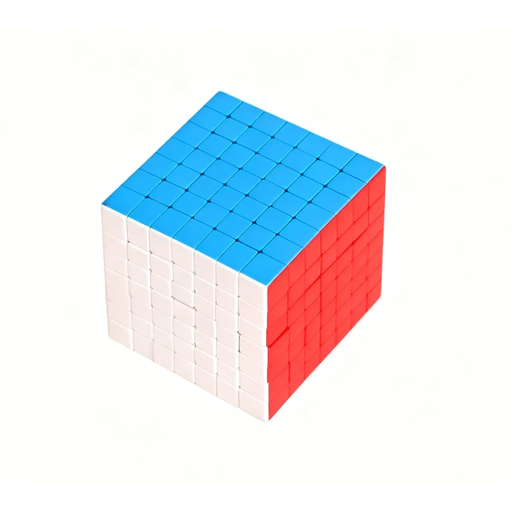
Why this product fits the profile: The seven layers appeal to users who already have experience with Rubik’s Cubes and are looking for a more challenging twisty puzzle.
The description states the seven layers, the stickerless ABS material, the dimensions and specific care instructions.
7x7 construction, coloured plastic surfaces without stickers and manual operation without batteries.
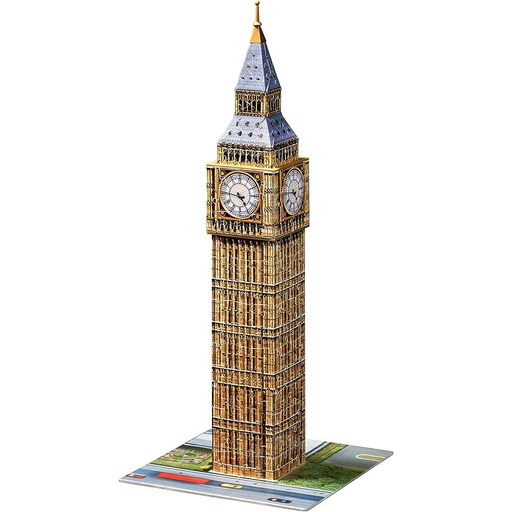
Why this product fits the profile: The model, suitable from age 8, recreates a famous London landmark with numbered pieces and accessories.
The 216 pieces are sorted by number and joined without glue. This clearly describes the tool requirements and assembly principle.
Easy Click Technology, numbered components, accessories and a finished size of 6 × 6 × 6 cm.
We have put together a complete, regularly updated list of products that fully meet these strict selection criteria and the safety regulations in force in the EU.
For crafters and those with a technical interest, a mechanical puzzle can be a suitable alternative to a classic jigsaw puzzle. The Robotime ROKR Marble Spaceport combines a wooden construction with a marble run, gears, steel balls and a USB-powered motor. The age recommendation of 14+ and the notes about small parts should be considered before buying.
If you are looking for an architectural motif, you can choose a 3D puzzle London. In addition to Big Ben, the St. Paul’s Cathedral Puzzle from CUBIC FUN is also available. It includes 131 pre-cut EPS foam pieces, is assembled without tools and measures 40.5 × 22.5 × 27 cm when built. For Harry Potter fans, versions with Hogwarts Castle and Diagon Alley are also available. A Disney puzzle with 2000 pieces is aimed at people aged 14 and over according to the product information.
That depends on the image, the available space and the desired assembly time. A 1000-piece puzzle is a common starting point for adults. A 2000-piece puzzle requires more sorting space and a longer working time. For children, the age recommendation, piece size and image clarity are more important than the highest possible piece count.
A speed cube is designed for controlled, fast turning movements. Important features are a smooth mechanism, stable alignment and a suitable turning feel. A 7x7 Rubik’s Cube has significantly more layers than a standard model and therefore requires more practice. A Pyraminx uses a pyramid-shaped arrangement and follows a different solving logic.
Cardboard pieces and wooden parts should be stored dry and protected from direct moisture. Plastic cubes can be wiped clean with a soft, dry cloth. Water, harsh cleaning agents and drops can damage surfaces or mechanisms. With motorised kits, electrical components should only be cleaned dry and USB connections should be disconnected during longer storage.