
Lieferung heute & morgen

Qualitätsgarantie

Willkommens-Angebote freischalten: KOSTENLOSE Lieferung | Bis zu 80 % RABATT | Kostenlose 30-Tage-JoyPlus-Testphase
App herunterladen
Quick-drying women’s jogging bottoms should feel light when you’re running, working out at the gym, travelling or hiking, and be ready to wear again soon after washing. In practice, though, terms such as “Quick Dry” or “sports trousers” aren’t the only things that matter. The fit, pockets, fabric construction and care instructions all determine whether a pair is genuinely suited to everyday use.
A product described as “Quick Dry” is making a claim about one of its features, but that doesn’t tell you what the fabric is made from. If details about the fibres, fabric structure or care are missing, it’s hard to judge how well the trousers will dry. Look for clear information such as lightweight stretch fabric, moisture-wicking properties or specific details about mesh panels.
Open side pockets can be impractical when you’re jogging or hiking. Your phone, keys or bank card could fall out, or feel uncomfortable when you sit down. Gym trousers with zipped pockets offer a clear solution. Also check that the pockets are large enough for your belongings and that the zips run smoothly.
An elasticated waistband may seem flexible at first. But if the drawstring is too short, sits awkwardly or the leg opening is too tight, the trousers can become uncomfortable during longer activities. Lightweight women’s running trousers should allow you to move freely without excess fabric catching on your shoes or equipment.
For breathable training trousers, low weight and a suitable fabric structure are important. Mesh panels can help improve airflow in certain areas, but that doesn’t automatically mean every pair is suitable for warm weather or intense exercise. Compare:
The baleaf Walking Trousers are described as having lightweight stretch fabric, quick-drying properties and ventilated mesh side panels. These features make them suitable for walks, travel and moderate sporting activities.
An elasticated waistband with an internal drawstring can make it easier to adjust the fit as you move. A tapered cut sits closer to the ankle, which can be practical for training or travel. To find the right size, use the size guide for the product you’re considering rather than relying solely on your usual clothing size.
Open pockets may be enough for everyday wear. For running, hiking or cycling, fastening pockets are usually more practical. Women’s hiking trousers should also allow plenty of movement around the hips and knees. If you need more storage, you could consider women’s cargo trousers. Check whether the extra pockets lie flat or add bulk when you sit down.

Why this product suits this profile: The lightweight jogger style and zipped pockets are designed for running, workouts and everyday wear. The size M option may suit shoppers who carefully check the size guide before buying.
The product name mentions both quick-drying properties and fastening pockets. Even so, check the full fabric and care details in the listing before you buy.
Lightweight jogger design, zipped pockets and a range of sizes within the product line.

Why this product suits this profile: The description combines lightweight stretch fabric with two zipped side pockets and mesh side panels. This makes the trousers suitable for walks, fitness, travel and moderate outdoor activities.
The product description clearly outlines the fabric features, ventilation and pocket design. This makes it easier to compare with listings that simply advertise “sports trousers”.
Lightweight stretch fabric, two zipped pockets and ventilated mesh panels at the sides, according to the product description.
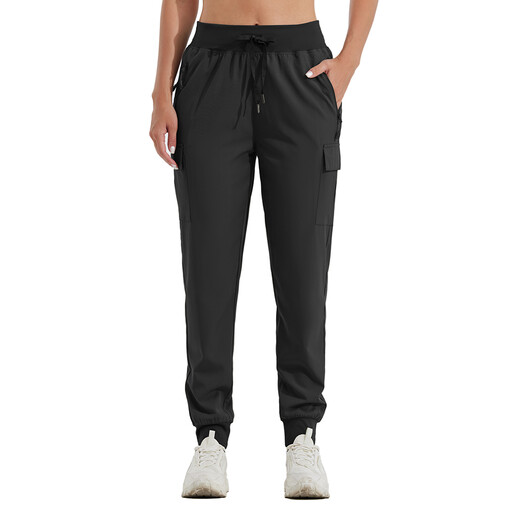
Why this product suits this profile: This quick-drying cargo-style outdoor pair is aimed at shoppers who need several pockets for hiking, travel or everyday wear.
The product name specifies its intended use and lightweight, quick-drying design. Before setting off on a longer trip, check the fit, pocket capacity and care instructions.
Cargo-inspired design, lightweight construction and sizes from S to XL within the product line.
We’ve put together a comprehensive, regularly updated list of products that meet these strict selection criteria and fully comply with the safety regulations in force in the EU.
Even quick-drying trousers need the right care. Turn them inside out before washing and follow the manufacturer’s instructions. For styles with mesh panels, avoid direct heat and ironing these areas. A low-temperature tumble-dry setting can help reduce wear on the fabric. Fasten the zips before washing to make them less likely to snag on other garments.
How long the trousers last depends on how often you wear and wash them, as well as friction and storage. It wouldn’t be helpful to give a general lifespan in months or years. After several washes, check the seams, waistband and zips.
Drying time depends on the fabric thickness, humidity, room temperature and airflow. Lightweight trousers will generally dry faster than a heavier pair. For a reliable estimate, check the specific fabric and care details in the product listing.
It depends on the cut and intended use. Lightweight running trousers may be enough for short hikes. For longer trips, extra pockets, freedom of movement and, where appropriate, a more durable fabric are important things to consider.
Yes, if you want to keep your keys, cards or phone secure while you’re on the move. Check the size of the pockets and make sure the zips close fully. For larger items, women’s cargo trousers may offer more storage.