
Lieferung heute & morgen

Qualitätsgarantie

Willkommens-Angebote freischalten: KOSTENLOSE Lieferung | Bis zu 80 % RABATT | Kostenlose 30-Tage-JoyPlus-Testphase
App herunterladen
Instant coffee remains one of the most reliable pantry staples for quick morning routines, workplace breaks and quiet afternoons at home. Many shoppers frequently wonder whether there are genuine quality differences across the category. Modern instant options range from lightly processed, freeze-dried pure roasts that replicate a fresh cafetiere to complex culinary blends incorporating creamer and sugar. Understanding how these products are prepared helps you select the right format for your preferred drinking style rather than settling for uninspired, bitter cups.
The primary decision comes down to personal control versus instant convenience. Pure soluble granules packaged in glass jars allow you to fine-tune strength, milk ratios and sweetness to your exact preference every morning. Conversely, pre-measured single-serve sachets eliminate all preparation guesswork, offering a consistent cup of white coffee or a sweet flavoured speciality in seconds with nothing more than hot water. By examining ingredient profiles, packaging mechanics and flavour styles, you can easily match your coffee station to your daily schedule.
Pouring rolling, freshly boiled water straight from the kettle directly onto instant coffee granules is the fastest way to ruin a cup. Water at 100 degrees Celsius scorches delicate coffee aromatics and extracts harsh, astringent compounds, leaving a burnt aftertaste regardless of the coffee quality. Allowing your kettle to rest for roughly sixty seconds after switching off brings the water to a far gentler 85 to 90 degrees Celsius, which dissolves the granules cleanly while preserving balanced flavour notes.
Pure instant coffee granules are intensely hygroscopic, meaning they naturally pull moisture directly from the surrounding air. Dipping a damp teaspoon into the jar or leaving the screw-top lid loose on a humid kitchen counter will cause the top layer of granules to turn tacky, oxidise and eventually harden into an unusable dark brick. Keeping jars sealed tightly in a dry cupboard and always using bone-dry utensils protects the freshness and shelf life of your supply.
Many buyers purchase pre-portioned coffee sachets without reviewing the balance between coffee solids, creamer and sugar. Traditional 3-in-1 formats generally feature a balanced coffee-forward profile with moderate sweetness, whereas dessert-style cappuccino sachets lean significantly sweeter and frothier. Assuming every sachet produces a standard milky mug often leads to surprises, so paying close attention to whether a blend is designed as an everyday cup or an indulgent treat is essential.
The ingredient list is the clearest indicator of how a product behaves in the cup and how much flexibility you retain during preparation.
Your physical routine determines whether a multi-serving counter jar or a box of individual portion sticks provides the smoothest experience.
Instant coffees span a wide spectrum of taste, from light golden roasts to bold, dessert-inspired creations.
These carefully selected instant coffees cater to distinct daily schedules, whether you want complete brewing control at home or effortless comfort at the office.

Why This Fits Their Persona: This generous 200 g glass jar is well suited for individuals who spend their working week at home and value full control over their morning brew. The golden-roasted pure coffee granules allow you to tailor your cup strength from a gentle mid-morning drink to a robust breakfast kick, pairing seamlessly with fresh milk, plant alternatives or drunk plain black.
Because it contains solely pure soluble coffee rather than fixed sugars or non-dairy powders, you avoid the trap of being locked into an overly sweet formulation or an unalterable milk-to-coffee ratio.
The secure glass container keeps your coffee supply fresh for numerous servings while giving you unrestricted flexibility to adjust serving sizes whenever your routine requires an extra lift.
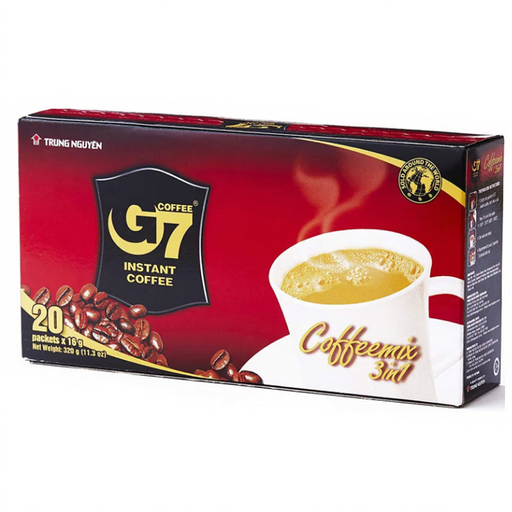
Why This Fits Their Persona: Engineered for speed and consistency, this 20-sachet pack provides an all-inclusive coffee solution when time is tight. Each 16 g stick combines roasted coffee, non-dairy creamer and balanced sweetness into a single measure, making it an excellent desk-drawer companion for busy office environments where keeping fresh milk is impractical.
It bypasses the common office problem of stale coffee granules and communal milk shortages by packaging the entire white coffee recipe inside moisture-resistant individual foil packets.
The individually portioned sachets ensure predictable strength and creamy flavour with every pour, requiring nothing more than a mug and hot water from the office kettle.
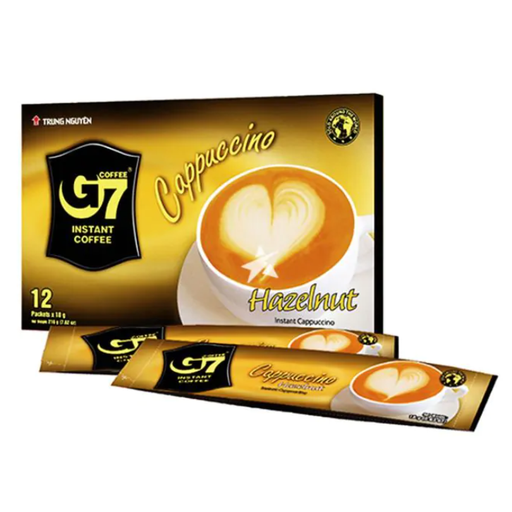
Why This Fits Their Persona: Designed for afternoon comfort and sweet treats, this 12-pack of 18 g sachets delivers a cafe-style drink at your desk or dining table. The formulation produces a silky, foamy head infused with rich, warm hazelnut aromatics, turning a routine five-minute pause into an indulgent coffeehouse experience without needing standalone syrups or dedicated milk frothing equipment.
It eliminates the frustration of trying to recreate flavoured foamed beverages from scratch, avoiding thin textures and unbalanced syrups through a purpose-blended cappuccino powder base.
Generous 18 g individual servings provide a full-bodied mouthfeel, aromatic hazelnut fragrance and authentic velvety foam in a single straightforward step.
If you are searching for decaffeinated blends, darker espresso-style granules or organic roasts, our extensive collection offers diverse choices for every palate.
Pure instant coffee consists of 100 percent roasted coffee beans that have been brewed and dried into soluble granules. It contains no added sugars or dairy components, meaning you can adjust the beverage strength and add fresh milk or sweeteners separately. A 3-in-1 blend combines instant coffee, creamer and sugar in a single measured sachet, providing a complete, self-contained white coffee that only requires hot water.
The ideal water temperature for dissolving instant coffee is between 85 and 90 degrees Celsius. Using water straight from a boiling kettle can scorch the dried coffee solids, creating an unpleasant, bitter aftertaste. Letting your boiled water stand for one to two minutes before pouring over the granules protects the delicate roast notes and ensures a smooth finish.
Instant coffee is extremely sensitive to ambient moisture, which causes the granules to stick together and harden into clumps. To prevent this, always store the jar in a dry, cool cupboard away from the steam of your kettle or cooker hob, make sure the lid is threaded tightly after each use, and only ever use a completely dry teaspoon to scoop your coffee.