Listeners focusing on quiet sections
You want to pick out quiet syllables and subtle differences in speech sounds. Try a recording of your own to see whether any available media sound adjustments on your playback device help.


For quiet dialect recordings, comfort and a sound profile that genuinely helps when you listen to your own recording are what matter. If background noise is a problem, well-fitting earbuds with ANC may be worth considering. If you want to stay aware of your surroundings, open or switchable models may suit you better – though open designs can make quiet sections harder to hear in noisy places. ANC can reduce background noise, but it can’t fix noise that’s already part of the recording.
You want to pick out quiet syllables and subtle differences in speech sounds. Try a recording of your own to see whether any available media sound adjustments on your playback device help.
If background noise competes with your recording, well-fitting earbuds and, where appropriate, ANC may be an alternative to simply turning up the volume. The WHO recommends well-fitting, noise-cancelling headphones to reduce the need to turn up the volume in noisy situations.
You want to stay aware of people and sounds around you while listening. Open earbuds or a switchable listening mode may be suitable, provided quiet sections remain clear where you usually listen.
Start with a quiet section of your own recording at a comfortable volume. Then decide whether you need to block out noise or hear your surroundings where you usually listen. Finally, check the fit, connection and compatibility of any sound features you want.
| What matters | What to check before buying | Who will find this most important? |
|---|---|---|
| Quiet speech details | Listen to the same section with and without any available media sound adjustments; choose only a setting that helps with your own recording. | If I want to pick out subtle syllables and differences in speech sounds, trying them out is essential. Around 31% of consumers would say speech details are their top priority. |
| Background noise | Compare ear tips and ANC where you plan to listen; don’t confuse ANC with fixing noise in the recording itself. | If you don’t want quiet sections to be drowned out in a noisy place, noise isolation is especially important. Around 25% of consumers would say background noise is their top priority. |
| Fit and comfort | Try the available sizes and assess the fit and comfort during a longer listening session with your own recording. | If I want to listen for longer, I need a comfortable fit that doesn’t need constant adjustment. Around 19% of consumers would say fit and comfort are their top priority. |
| Awareness of your surroundings | Check where you’ll actually be listening whether open earbuds are enough or switching between ANC and ambient mode would be more suitable. | If you want to hear people and sounds around you while listening, also check that quiet sections remain clear. Around 13% of consumers would say awareness of their surroundings is their top priority. |
| Connection and controls | Check the connection or Bluetooth pairing, as well as whether your device supports the app and media features you want. | If I want to use my existing devices without any hassle, the connection and controls are key. Around 12% of consumers would say connection and controls are their top priority. |
ANC is designed to reduce background noise where you’re listening. It won’t remove noise that’s already part of the file being played.
Try listening to a problematic section of your own recording, and assess ANC and any available media sound settings separately.
Being able to hear what’s around you also means that potential background noise can reach your ears and drown out quiet sections.
Choose an open design only if the recording remains clear where you usually listen; otherwise, consider a switchable listening mode.
Sound and media adjustment features may only work with certain playback devices. Wired earbuds also need a compatible connection.
Before buying, check that the features you want and the connection are compatible with your device. The Shure SE215 is documented as having a 3.5 mm cable; you may need a suitable adapter.
Sony offers different designs for different listening situations, with the WF-1000XM6 and LinkBuds Open.
The MOMENTUM True Wireless 5 are wireless ANC earbuds with app-based sound personalisation.
The QuietComfort Ultra Earbuds (2nd Gen.) are aimed at listeners who want to try adjustable ANC and different fit combinations.
The SE215 is a wired alternative with passive noise isolation.
With a compatible Apple playback device, supported AirPods offer a way to try media sound adjustments.
The Galaxy Buds3 Pro have documented noise modes; certain additional features require a supported Samsung device.
This selection includes wired and wireless in-ear earbuds for trying out quiet recordings, including models with ANC or adjustable listening features.
 No image available
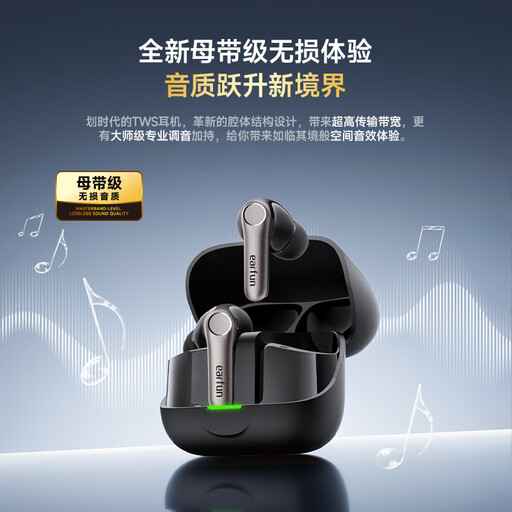
For listening in changing surroundings when you want to compare ANC and sound settings on your own device. The product name lists Bluetooth 6.0; check that your device supports the playback you want.
 No image available
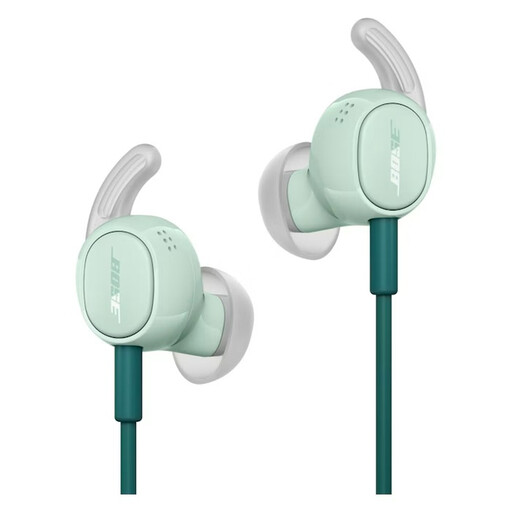
A wired option if you want to listen without Bluetooth pairing or a rechargeable earbud battery. It needs a compatible USB-C device, so check the connection before buying.
 No image available
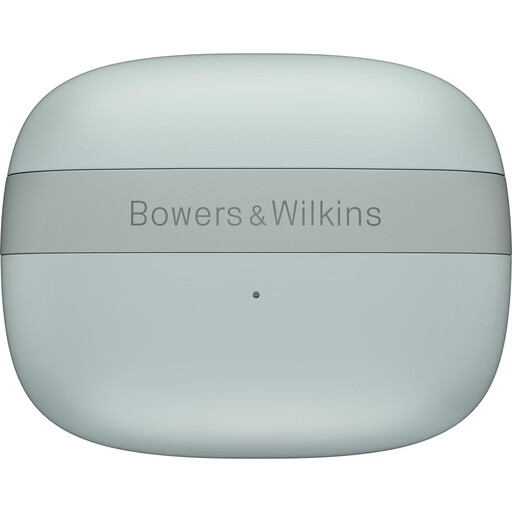
For wireless listening when you want to try ANC with quiet sections where you usually listen. The product name lists Bluetooth 5.4; clarity also depends on the recording and the fit.
 No image available
For a listening test where you want to compare wireless playback and available sound options. Before buying, check the product description to see which features work with your playback device.
 No image available
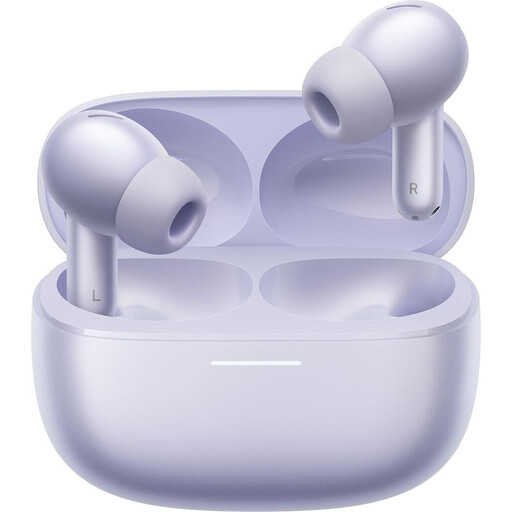
For a listening test where you want to compare different noise-cancelling and ambient sound settings. The product name lists 20 ANC levels and three transparency modes; this doesn’t prove that a dialect recording will be easier to understand.
ANC is designed to reduce background noise where you’re listening, not noise that’s already part of the recording. Compare your file at the same comfortable volume using different settings; a better result isn’t guaranteed.
Start with eartips that fit well and a test section of your own recording. If you have supported AirPods and a compatible Apple device, go to ‘Headphone Accommodations’ and try applying them to ‘Media’, adjusting the ‘Vocal Range’ and boosting quiet sounds.
Don’t keep turning the volume up without limit. In noisy places, the WHO recommends well-fitting headphones, which may also have noise cancellation, to reduce the need to increase the volume. This is advice for safer listening, not a product specification.
According to the Verbraucherzentrale, online purchases generally come with a 14-day right of withdrawal from the day you receive the goods; conditions and exceptions may apply in individual cases. Also check whether wired earbuds match your device’s connection or if you’ll need an adapter.
Section 23(1) of the German Road Traffic Regulations (StVO) requires drivers to ensure their hearing is not impaired by devices. This does not amount to a general ban on all earbuds; what matters is whether your hearing is impaired while driving. The conditions in section 23(1a) of the StVO also apply to operating electronic devices. The relevant legislation is the StVO published by the Federal Ministry of Justice and the Federal Office of Justice.