Listening at a quiet desk
If you’re replaying quiet words or comparing passages without distractions, you can compare open-back and closed-back wired models using your own recording.


For quiet dialect recordings in a peaceful setting, open-back wired headphones are worth considering. If there are conversations or other noises in the room, well-fitting closed-back headphones are a better starting point. When you’re out and about, ANC can reduce external noise, but it won’t restore speech information missing from the recording. Check the fit and connection with your playback device, and listen to the quiet passage at a moderate volume.
If you’re replaying quiet words or comparing passages without distractions, you can compare open-back and closed-back wired models using your own recording.
If there are conversations or other noises in the room, a good fit and the isolation provided by the ear cups matter. Consider whether you still need to hear what’s going on around you.
If you listen while out and about or during longer sessions, weigh up noise reduction, connectivity and comfort, and keep the volume at a moderate level.
For quiet dialect passages, first consider whether background noise is a problem. Then look at fit, connectivity and how the headphones handle your own recordings.
| Priority | What to look for | Who it matters most to |
|---|---|---|
| Quiet speech details | If possible, listen to the same quiet passage with different headphone designs. Manufacturers’ descriptions of the sound profile are no substitute for comparing them with your own recording. | If I want to compare individual words repeatedly, what matters is whether I can make out the details in my recording. Around 36% of consumers put picking out quiet speech details first. |
| Background noise | Check the fit and isolation. If you listen in different places, ANC may be a useful additional feature. | If noise in the room masks quiet sections, I want to reduce it as much as possible without simply turning the volume up. Around 29% of consumers prioritise blocking out background noise. |
| Comfort | Try the fit for the length of time you usually listen. Don’t turn up the volume just because the recording is quiet. | If I listen to recordings repeatedly or for longer periods, I need a fit that works for my listening session. Around 21% of consumers pay particular attention to long-wearing comfort. |
| Connectivity and use | Check that the sockets and any adapters you need work with your playback device. If you’re considering Bluetooth headphones, check that they support the way you want to use them. | If I want to connect the headphones to my existing device and keep using them, the right connection is essential. Around 14% of consumers put connectivity and continued usability first. |
Turning up the volume won’t restore information missing from the recording. The World Health Organization points out that the risk to your hearing depends on volume, listening duration and how often you listen.
First, reduce distracting noise and check the fit, then keep the volume moderate. Take breaks during longer listening sessions.
The Sennheiser HD 560S is an open-back model. This design doesn’t block out background noise like closed-back headphones, so it isn’t automatically the right choice for a shared or noisy room.
First decide where you’ll be listening and whether other people will be nearby. Then compare the sound with your recording.
Names such as Bose QuietComfort Ultra can refer to different versions depending on the generation. Specification details are only useful if they apply to the exact model you’re considering.
Before choosing a version, check the full model name and the details that matter to you against the manufacturer’s description.
The DT 700 PRO X is a closed-back, wired option for listening environments where passive isolation is important.
The HD 560S is an open-back, wired option for comparing recordings in a quiet setting.
The ATH-M40x is a closed-back, wired option if passive isolation is important.
The WH-1000XM6 is a wireless ANC option for listening in different places. Sony also says it can be used with a cable.
The QuietComfort Ultra Headphones (2nd Gen) are another ANC over-ear option for listening on the move.
The following closed-back Bluetooth over-ear headphones with ANC are worth considering if you want to reduce background noise while listening. ANC doesn’t improve the recording itself or make missing speech information audible.
 No image available
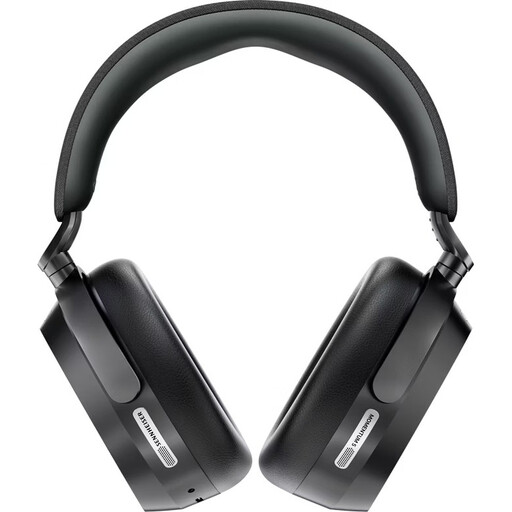
This closed-back over-ear model has ANC for listening situations where you want to reduce background noise.
Bluetooth 5.4, up to 57 hours of battery life and a replaceable battery, according to the product name.
 No image available
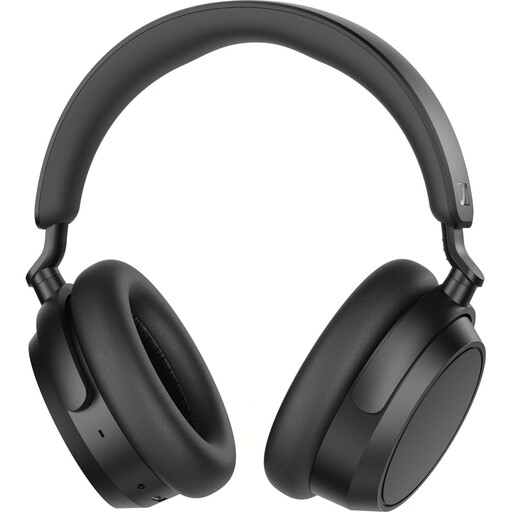
A wireless option for listening with background noise around you. If you also need a wired connection, check that the specific version is compatible with your playback device.
Bluetooth 5.2 with aptX, up to 50 hours of battery life and a detachable cable, according to the product name.
 No image available
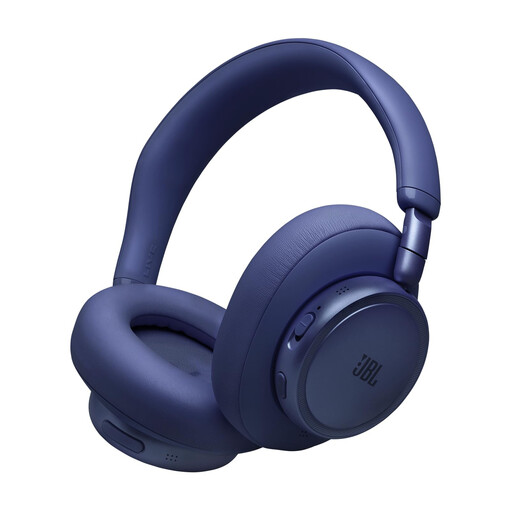
An option if you’re looking for wireless headphones with ANC for listening in different places.
Bluetooth 6.0, multipoint and up to 80 hours of battery life, according to the product name.
 No image available
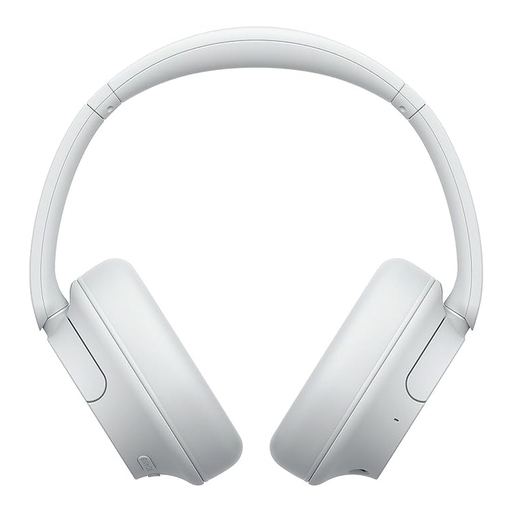
For listening on the move when you want a wireless connection and ANC to reduce external noise.
Weighs 192 g and offers 35 hours of battery life, according to the product name.
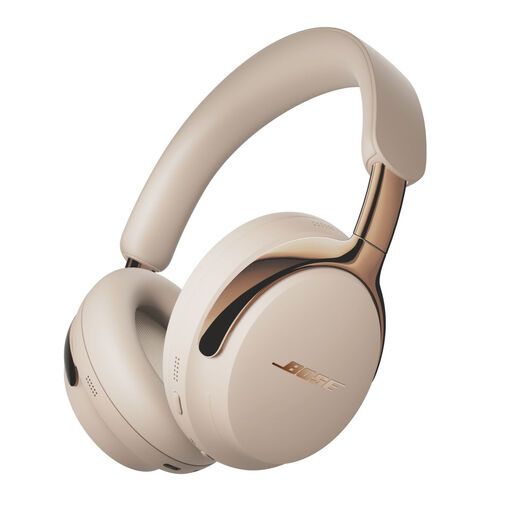 No image available
For listening in different places if you’re considering an ANC model from the QuietComfort Ultra range. Check the exact model generation.
Driftwood Sand colour, according to the product name.
No. ANC is designed to reduce external noise; it can’t restore information missing from the audio file. If noise in your listening environment is a problem, a well-fitting pair may help without you having to turn the volume up to drown it out. Listen to the specific passage for yourself.
Compare a quiet passage with one at a normal volume on the playback device you plan to use, and check the fit and connection. The World Health Organization recommends limiting volume and listening time, and taking breaks. In noisy surroundings, well-fitting or noise-cancelling headphones can help you avoid turning the volume up unnecessarily.
Check whether replacement ear pads or a compatible cable are available for the exact model. beyerdynamic lists ear pads, headband pads and cables as replacement parts for the DT 700 PRO X, but this doesn’t tell you what a future repair will cost.
No. Your statutory rights are a legal claim against the seller if a product is faulty. A guarantee is an additional voluntary promise with its own terms and conditions. The consumer advice centre describes repair or replacement as possible ways of putting things right.
The EU Radio Equipment Directive sets requirements for radio equipment, including safety, electromagnetic compatibility and radio spectrum use. The Federal Network Agency lists correct CE marking, product traceability and required documentation among the checks it makes when monitoring the market. A CE mark alone isn’t an independent performance test and doesn’t prove that a specific listing complies with the requirements.