Listening to dialect recordings
If you want to check quiet words or changes in recording levels repeatedly, listening to a sample can help you find the right volume and sound settings for your recordings.


Choose headphones to suit your listening environment and fit. ANC can reduce outside noise, while comfort, controls and sound settings may matter when you’re listening closely at home. Compare quiet and loud passages from your own recording at a moderate volume. ANC or an equaliser can’t restore missing speech details or remove noise that’s already part of the recording.
If you want to check quiet words or changes in recording levels repeatedly, listening to a sample can help you find the right volume and sound settings for your recordings.
If you listen while out and about or amid everyday background noise, it’s worth treating outside noise and noise in the recording as two separate problems.
For longer sessions or when switching between your phone and computer, comfort, battery life and connections that work with your playback devices all matter.
First, use one of your own recordings to check whether it’s outside noise or the recording itself that’s bothering you. Then compare the fit, settings and connections with the way you usually listen.
| Buying priority | What to look for | Who is it most important to? |
|---|---|---|
| Quiet speech | Compare quiet and loud passages from the same recording at a moderate volume; check your playback software settings if needed. | If you want to make out quiet words without turning up the volume for the whole recording, clear reproduction of subtle speech details is especially important. Around 31% of consumers prioritise this. |
| Background noise | At your usual listening spot, switch ANC on and off while playing the same quiet passage, keeping the volume unchanged. | If conversations, traffic or ventilation make it hard to listen, blocking out outside noise is the priority. Around 25% of consumers put this first. |
| Comfort during longer sessions | Try the fit and check for pressure during a typical listening session if possible; compare battery life with the mode you want to use. | If you listen to recordings for longer periods or replay them often, you’ll want a comfortable fit and a headset that doesn’t need charging too frequently. Around 19% of consumers prioritise comfort and session length. |
| Features and cost | Compare only the features you actually want to use; check the exact version and what’s included when buying accessories. | If you mainly want to pay for features you need, compare what’s included with your listening habits. Around 13% of consumers focus on this balance. |
| Connections and playback devices | Check Bluetooth support and the available sockets against the connections on the specific model. | If you switch between a phone, computer or wired source, you’ll want to use your devices without running into incompatible connections. Around 12% of consumers prioritise compatibility with their playback devices. |
ANC deals with noise outside the headphones. Noise that’s already in the saved recording remains part of the audio being played back.
First, listen to the same quiet passage in a calm environment. If the noise is in the file, check the playback or editing options if needed. According to the Audacity manual, noise reduction may produce unsatisfactory results when speech and noise are at similar levels.
Advertised battery life can vary depending on the settings. Sony quotes up to 30 hours with noise cancelling switched on and up to 40 hours with it switched off for the WH-1000XM6.
Only compare battery life when the operating mode and the conditions specified are the same.
JBL lists the Tour One M3 and a Smart-Tx version as separate variants. Sonos Ace and Sonos Ace Ultra are also different models.
Before buying, check the full model name and what’s included with the specific version. Don’t assume an additional transmitter is included unless it’s explicitly listed.
The WH-1000XM6 is a closed-back wireless over-ear headphone with ANC, ambient mode, multipoint connectivity and an optional headphone cable.
The 2nd Generation QuietComfort Ultra Headphones are aimed at buyers looking for over-ear headphones with adjustable ANC and app settings.
According to JBL, the Tour One M3 supports Bluetooth, USB-C and 3.5 mm playback.
The HDB 630 and MOMENTUM 4 Wireless offer different options for sound settings and connections.
The LIFE HX-1 Pro is an over-ear headphone with hybrid ANC, EQ presets, an app profile and replaceable ear cushions.
The following Joybuy models include wireless over-ear and on-ear headphones, as well as earbuds. Compare them by considering which style, connections and settings suit your listening environment.
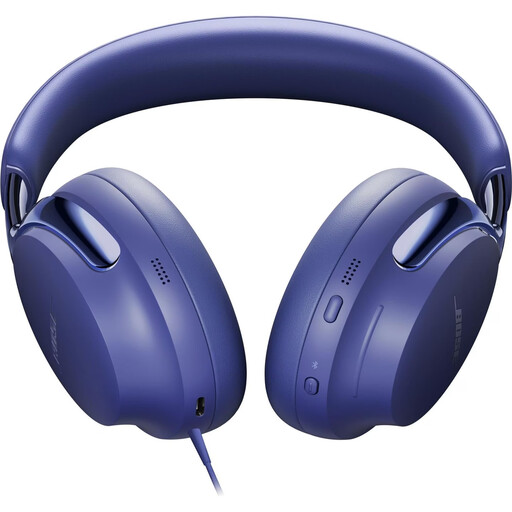 No image available
An option if you want to use sound settings and a wired connection.
App-based EQ, Bluetooth and a 3.5 mm connection; up to 30 hours of battery life according to the product listing.
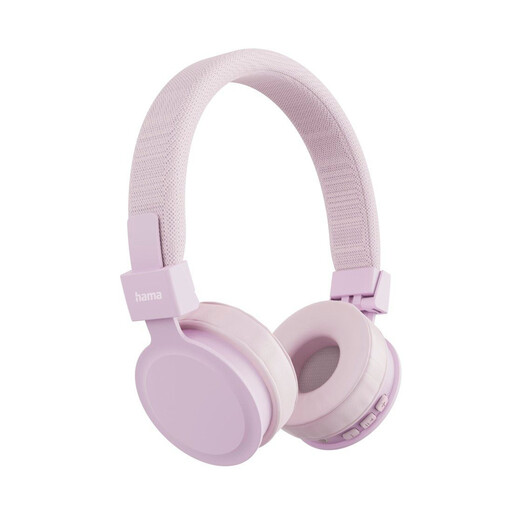 No image available
May suit you if you want to listen wirelessly or use a cable; check the fit before longer listening sessions.
Bluetooth 5.4, a 3.5 mm audio cable and up to 15 hours of playback according to the product listing.
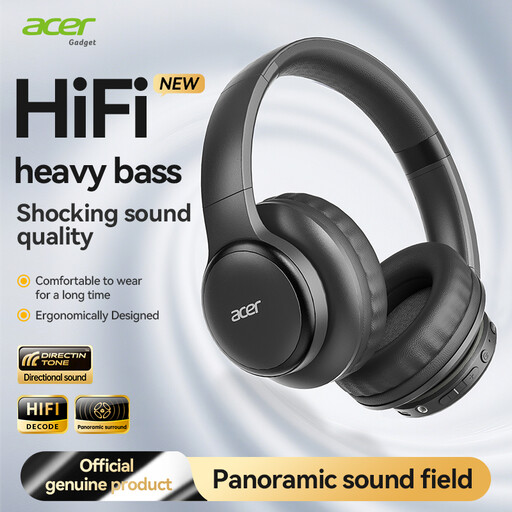 No image available
A wireless option if a foldable design matters to you.
Bluetooth 5.3 and a USB-C charging port according to the product listing.
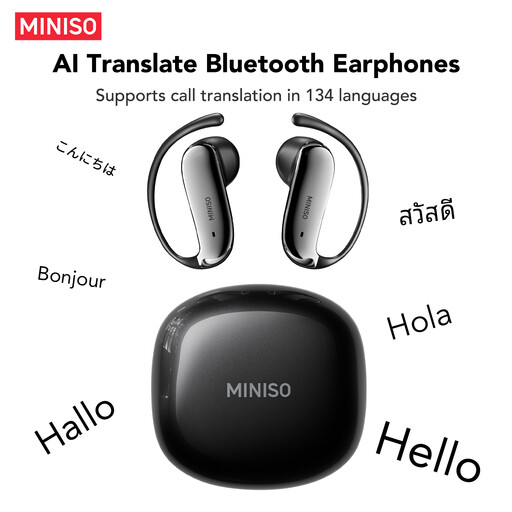 No image available
An option if you’d like to use the stated translation feature as well as listen to music.
Open-ear design, Bluetooth 6.0 and up to six hours of music playback per charge according to the product listing; translation in 134 languages is also listed.
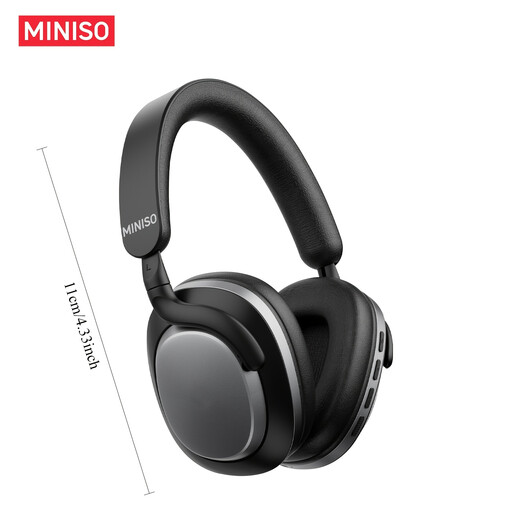 No image available
An over-ear option with noise cancelling listed; check the fit and try it with one of your own recordings.
Bluetooth 6.0 and 24 hours of battery life according to the product listing.
No. ANC won’t remove noise that’s already in the file. According to the Audacity manual, noise reduction may produce unsatisfactory results when speech and noise are at similar levels.
First, compare a quiet passage and a loud one at a moderate volume. If your model has ANC or an equaliser, change just one setting at a time so you can judge the difference with your recording. Connections and app features vary by model.
Don’t simply keep turning the volume up. First check the fit, outside noise and levels in the recording. The World Health Organization says that at 90 dB, safe listening time should be limited to four hours a week. Volume and listening time should therefore be considered together.
No. The German Environment Agency recommends collecting waste electrical equipment separately, for example at a recycling centre or through an appropriate retailer take-back scheme. Where possible, removable batteries should be disposed of separately.