Listeners of quiet family conversations
You want to follow quiet words and pauses in speech closely, without simply turning everything up. The key factors are a good fit, suitable playback and the limitations of the original recording.


If you usually listen in a quiet place and have a suitable audio output, comfortable closed-back wired headphones could be a good choice. If outside noise is distracting, well-fitting ANC headphones may be worth considering; personalised hearing profiles could also be useful if you need individual adjustments. However, no headphones can reliably restore voices that are barely audible in the original recording.
You want to follow quiet words and pauses in speech closely, without simply turning everything up. The key factors are a good fit, suitable playback and the limitations of the original recording.
If household or traffic noise competes with the recording, you can assess passive isolation and ANC based on how they perform in the places where you usually listen.
If you need different settings for each ear or personalised speech profiles, check that your playback device has a compatible connection too. If you have ongoing difficulty hearing, it’s sensible to seek professional advice.
A good fit if: you usually sit somewhere quiet, have a suitable headphone output and want to listen without a battery or wireless connection.
Things to consider: Passive isolation is no substitute for ANC in noisier surroundings; the fit and cable can become uncomfortable during long listening sessions.
A good fit if: outside noise is masking quiet passages and you want to reduce it while listening.
Things to consider: You’ll need to think about battery life, controls and fit too; ANC doesn’t remove noise that’s already part of the recording.
A good fit if: you use a suitable audio source and need different settings for your left and right ears or personalised speech profiles.
Things to consider: The transmitter and inputs must be compatible with your source; this type of system won’t automatically work with every mobile device.
First, check whether the recording itself makes the quiet words clear enough to hear, and whether you usually listen somewhere quiet or noisy. Then check the connection and try out the fit and any personalisation options.
| Priority | What to check before buying | Who is this important to? |
|---|---|---|
| Quiet speech and recording quality | Listen to a familiar quiet passage at a moderate volume; distinguish noise in the recording from noise around you. | If I want to understand quiet words without turning the volume up unnecessarily, I check whether the recording actually captures the speech clearly. Around 33% of consumers put speech intelligibility first. |
| Outside noise | Check the fit and isolation in your usual surroundings; ANC won’t help with hiss in the audio file. | If household or traffic noise disrupts my listening session, I want to know how well the headphones block it out. Around 27% of consumers prioritise reducing outside noise. |
| Connection to the recording source | Check that the source’s output and connector match the headphones or transmitter. | If I want to listen to recordings I already have on my own device, the connection needs to work without extra adaptors. Around 20% of consumers prioritise compatibility with their source. |
| Fit and personal settings | Try the ear cushions and clamping force; consider hearing profiles only if they suit your needs. | If I want to listen to longer family stories or adjust settings for each ear, fit and available personalisation options matter. Around 20% of consumers put these factors first. |
ANC targets outside noise. Hiss that’s already in the file remains part of the recording.
Listen to the same quiet passage and assess outside noise and hiss in the file separately.
The DT 770 PRO is available in different impedance variants; the RS 195’s transmitter connection must match your source.
Before buying, check the full variant, audio output, connector and what’s included in the box.
Turning it up can also amplify noise in the recording, and it’s not a reliable way to make unclear speech easier to understand.
Make sure the headphones fit well and keep the volume moderate. If you continue to have difficulty hearing, seek professional advice.
The DT 770 PRO is a closed-back wired option for listening at home. Check the 32, 80 and 250 ohm variants separately.
The WH-1000XM6 is an ANC over-ear option if outside noise is distracting while you listen.
The range covers different needs: the RS 195 uses a transmitter and personalised hearing profiles, the MOMENTUM 4 Wireless offers ANC and app EQ, while the HD 480 PRO is a closed-back wired studio model.
The QuietComfort Ultra Headphones (2nd Gen) are a wireless ANC option with adjustable EQ.
The following Joybuy models are wireless ANC headphones or earbuds for situations where outside noise masks quiet passages. Check the fit and connection for your listening session; ANC won’t remove hiss that’s already part of the recording.
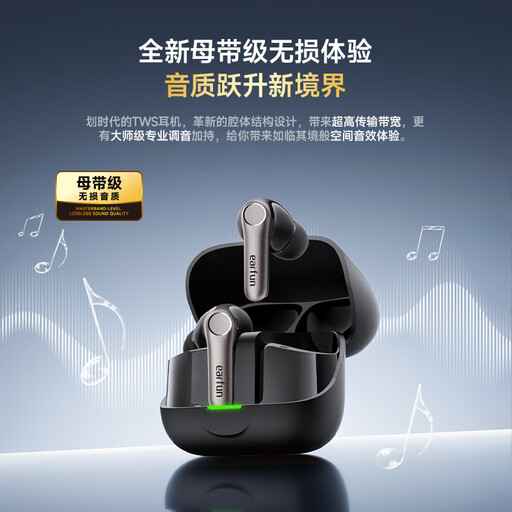 No image available
An ANC in-ear option if outside noise is distracting while you listen; check that the in-ear fit is comfortable for your listening sessions.
The product name lists ANC, Bluetooth 6.0, aptX Lossless, LDAC, 54H playback time and IP55.
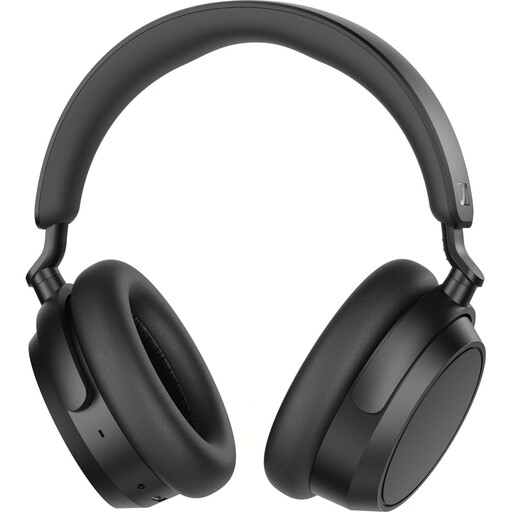 No image available
A wireless ANC over-ear option if outside noise is distracting; the detachable cable may be useful if you also want to listen using a wired connection.
The product name lists Bluetooth 5.2, aptX, Multipoint and a 50-hour battery.
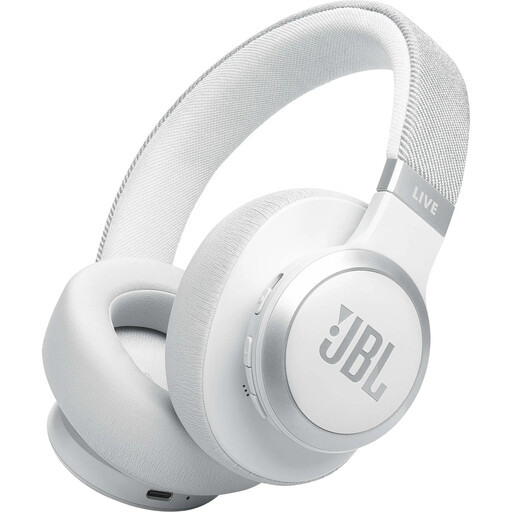 No image available
A wireless over-ear ANC option for listening situations where outside noise masks quiet passages; consider the fit if you’ll be listening to longer stories.
The product name describes an over-ear design with noise cancelling.
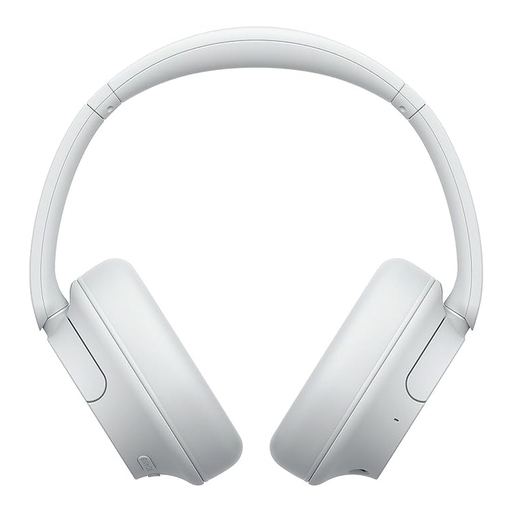 No image available
A wireless ANC over-ear option if outside noise is distracting while you listen. Try the fit and check that the controls suit the way you listen.
The product name lists a weight of 192g, a 35-hour battery and Multipoint.
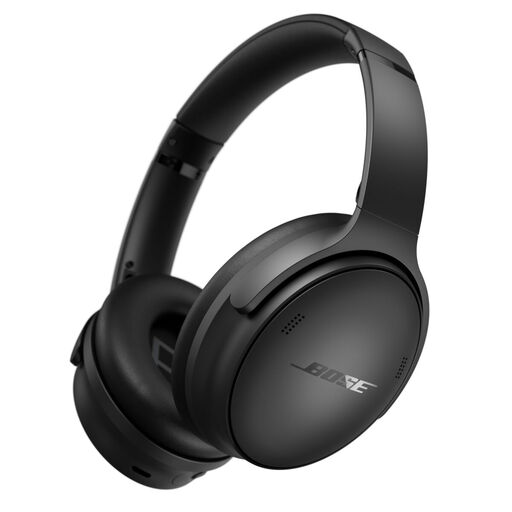 No image available
A wireless ANC over-ear option when outside noise masks the quiet parts. How well it works depends on how the headphones fit and where you listen.
The product name identifies this as a wireless model with noise cancelling.
Not indefinitely: start at a low volume and take breaks during longer listening sessions. The World Health Organization gives 80 dB for no more than 40 hours per week as an example of safe listening; this isn’t a recommendation to set your headphones to 80 dB. If you continue to have difficulty understanding conversations, it recommends seeking professional advice.
First, check the audio outputs on your playback device: according to Sennheiser, the RS 195 transmitter has an analogue and an optical audio input. You can then set a hearing profile and, if needed, adjust the left/right balance. Not every source has a compatible output.
No. Headphones can change playback and how well outside noise is blocked, but they can’t repair the original recording. Audacity notes that digital noise reduction may produce unsatisfactory results when speech and noise are at similar levels.
According to the consumer advice centres, online purchases generally come with a 14-day right to cancel; exceptions and the information provided for the specific purchase should be checked. Statutory rights against the seller for faulty goods are separate from a voluntary guarantee.
Radio equipment is subject to EU requirements; the Federal Network Agency lists checking the CE marking among them. Since 28 December 2024, rechargeable headphones newly placed on the market and covered by EU rules have also been subject to requirements for a common USB-C charging port. Whether these apply to a particular device depends on its characteristics and scope of application.