
Lieferung heute & morgen

Qualitätsgarantie

Willkommens-Angebote freischalten: KOSTENLOSE Lieferung | Bis zu 80 % RABATT | Kostenlose 30-Tage-JoyPlus-Testphase
App herunterladen
The selection of toy cars is vast, ranging from simple push-along vehicles for toddlers to detailed model cars for collectors. But this variety also has its pitfalls. A squeaky wheel after just a few days, a remote-controlled car that's too complicated for the child, or the disappointment when the new vehicle doesn't fit with the rest of the collection—such experiences are frustrating and costly. Before you make a decision, you should know the most common traps.
To help you with your selection, we have summarised the key criteria that define a good toy car.
To avoid a bad purchase, you should focus on a few crucial technical specifications. These will help you objectively assess a model's quality and suitability.
The choice of material is a direct indicator of a toy car's durability. Pay attention to the manufacturer's precise specifications.
The type of drive system significantly determines the play experience.
The scale indicates the size ratio of the model to the original. It is crucial when building or expanding a collection.
Before purchasing, check whether the desired model is compatible with existing vehicles or accessories from the same manufacturer.
Based on these objective criteria, we have identified several models that are suitable for different user profiles.
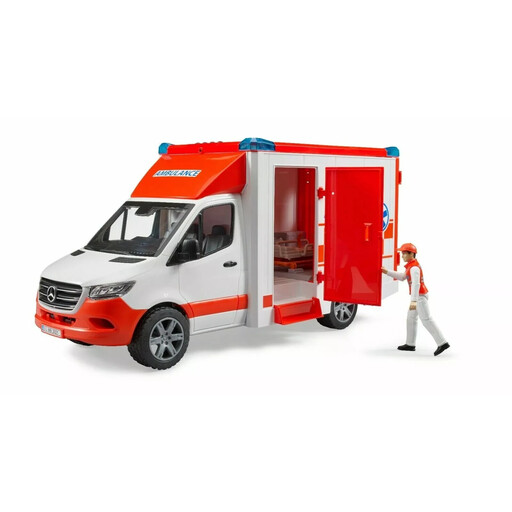
Why this model is a great fit: Ideal for children who enjoy acting out realistic scenarios. The vehicle encourages role-playing and an understanding of emergency services. It's a classic and durable gift for boys and girls.
Made from high-quality ABS plastic, this model is extremely robust and resistant to breakage. The functions are intuitive for the recommended age group, avoiding the complexity trap.
High play value thanks to realistic functions like opening doors, a removable roof, and a light and sound module. Fully compatible with other figures and vehicles from the Bruder bworld in 1:16 scale.
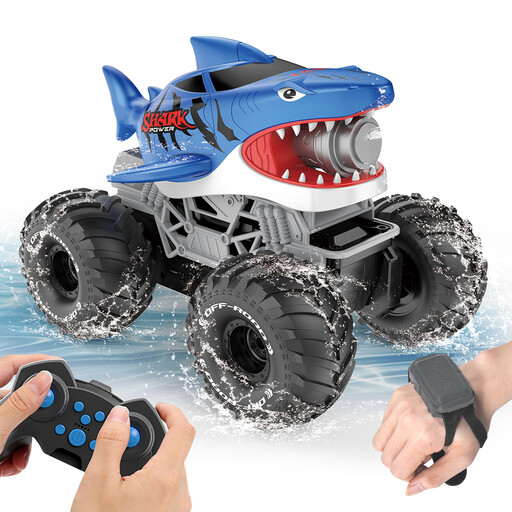
Why this model is a great fit: For kids looking for a versatile and action-packed remote-controlled car. This monster truck toy not only drives on land but also in water, offering a wide variety of fun.
The set includes two rechargeable batteries, which bypasses the hidden cost trap of disposable batteries. Control via remote or a gesture-controlled watch offers different levels of complexity for extended use.
Amphibious design for use on various surfaces and in water. The 2.4 GHz technology allows for a range of about 50 metres and driving multiple vehicles without interference.
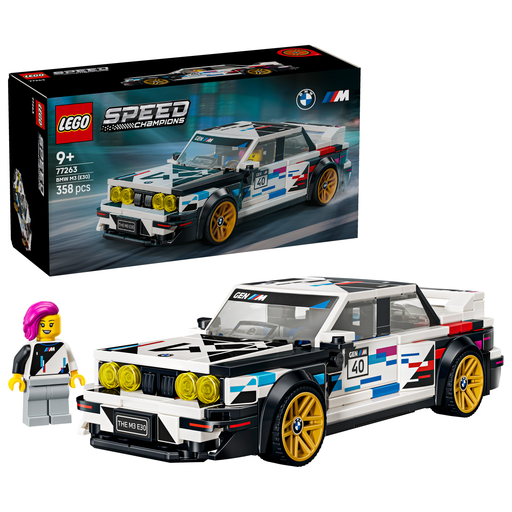
Why this model is a great fit: This LEGO car combines the joy of building with a fascination for iconic vehicles. It is both a challenging building project and a detailed display piece for older children and adult collectors.
LEGO is a clearly defined system, which eliminates the compatibility trap. The clear age recommendation (9+) and detailed instructions ensure that the complexity matches the user profile, preventing frustration.
An authentic replica of a classic car with many of the original's design details. It offers a rewarding building experience and then serves as a high-quality model car for display.
From spare parts to special models – discover more products that meet our selection criteria.
Look for models with rechargeable lithium-ion batteries. Check the manufacturer's stated playtime per charge (e.g., 20–40 minutes) and whether a USB charging cable is included. This avoids the running costs and waste of disposable batteries. Some sets even include a second battery for uninterrupted fun.
LEGO provides a clear age recommendation on each box, which serves as a reliable guideline. For toddlers, there is LEGO Duplo. For children aged 4 and up, the simpler sets from LEGO City are suitable. The Speed Champions (often 9+) and Technic (often 10+) series are aimed at older children, teenagers, and adults looking for a more complex and technically demanding building challenge.
Generally, no. The two brands focus on different scales and play systems. Siku mainly produces smaller metal vehicles in scales like 1:87, 1:50, or 1:32. Bruder is known for its large plastic vehicles in 1:16 scale. Due to the different sizes and materials, accessories and vehicles from the two brands are not directly compatible. For a cohesive play and collecting experience, it is advisable to stick to one brand's ecosystem.