For spontaneous close-ups after a shower, a rugged compact camera with a close-up mode is a good place to start. According to the manufacturer, the OM SYSTEM Tough TG-7 can focus from 1 cm away in Microscope mode, although that doesn’t automatically mean 1:1 macro. If you want individual drops to appear as large as possible, consider an interchangeable-lens camera with a suitable macro lens. Check the magnification ratio, working distance and protection offered by both the camera body and lens. Focus bracketing can help with still leaves, but if they move, the images may not combine cleanly.
Which option is right for you?
For photographing raindrop details
If you want to capture individual drops and fine leaf textures rather than the whole leaf, check the magnification ratio of the specific lens and the distance between the lens and your subject. Sony Germany explains the difference between working distance and minimum focus distance; OM SYSTEM states that its separately available 60mm macro lens offers a 1:1 magnification ratio.
For spontaneous garden photography
If you want to get close quickly after the rain without changing lenses, a close-up mode and a protected camera body may be important. OM Digital Solutions lists the Tough TG-7 as water- and dust-resistant; OM SYSTEM Germany says its Microscope mode can focus from 1 cm away.
For photographing still macro scenes
If you can set up your camera and capture drops across several planes of focus, focus bracketing is one option. Canon Academy explains focus bracketing, which involves taking several shots at different focus points. Moving leaves can make it harder to combine the images.
What should you look for when buying?
For raindrops on leaves, the key factors are the level of detail you want, use in wet conditions, depth of field and what’s actually included in the box.
| What matters to you |
What to check before buying |
Who this matters most to |
| Size of individual drops |
Compare the maximum magnification ratio and working distance of the specific lens. |
If I want to show a single drop at a large size, actual magnification matters more to me than simply having a short focus distance. Around 33% of consumers put drop magnification first. |
| Use after rain |
Check the protection ratings for the camera body and attached lens separately. |
If I take spontaneous photos in the garden after a shower, I want to know how easy it is to use the camera and equipment in damp conditions. Around 27% of consumers prioritise spontaneous use in wet conditions. |
| Depth of field |
Consider the focus bracketing function, lens compatibility and a stable setup. |
If the leaf is still and I want to show several planes of focus, focus bracketing may suit me. Around 20% of consumers put depth of field first. |
| Kit and accessories |
Check which lens is included and whether you’ll need a separate macro lens. |
If I want to start by photographing whole leaves and avoid buying extra lenses for now, I need to know exactly what’s in the kit. Around 20% of consumers prioritise keeping their initial purchase manageable. |
Common misconceptions when buying a camera
-
“Macro” or “1 cm” automatically means high magnification for drops
A short focus distance and the magnification ratio describe different things. A very short working distance can also make it harder to position the light and camera near the leaf.
For the level of detail you want, compare the maximum magnification ratio and the distance between the subject and the front of the lens.
-
A standard zoom kit is already a complete macro setup
The Canon EOS R50 kit includes the RF-S 18–45mm lens; the RF 35mm F1.8 Macro is a separate lens.
Check the full lens name in the kit contents, then decide whether you need a macro lens based on the composition you want.
A separate compatible macro lens may be needed to capture finer details.
-
Weather sealing or stabilisation solves every problem when shooting in the rain
With an interchangeable-lens camera, protection ratings apply to the camera body and lens separately. Stabilisation won’t keep a leaf still in the wind or increase depth of field at close range.
Check the protection ratings of both components, then adapt your technique to whether the leaf is moving and how much of it you want in focus.
Brands to consider
OM SYSTEM
The Tough TG-7 is a compact option for spontaneous close-ups. Add a separately available macro lens to the OM-5 Mark II to create a system for capturing fine details up close.
- OM SYSTEM says the TG-7’s Microscope mode can focus from 1 cm away. The manufacturer gives the M.Zuiko Digital ED 60mm F2.8 Macro a magnification ratio of 1:1.
- OM SYSTEM gives the OM-5 Mark II body an IP53 rating; the manufacturer rates the separately available 60mm macro lens IPX1 for splash resistance.
- The TG-7’s focus distance does not prove a magnification ratio of 1:1. Protection ratings for the body and lens should be considered separately and don’t automatically apply to the complete setup in all types of rain.
Canon
The EOS R50 kit with the RF-S 18–45mm lens is a starting point for photos of leaves and gardens. A compatible RF macro lens is a separate option for finer details.
- Canon gives the RF 35mm F1.8 Macro IS STM a maximum magnification ratio of 1:2. The EOS R50 kit checked here includes the RF-S 18–45mm lens instead.
- The macro lens isn’t included in the kit mentioned. According to Canon, the RF 35mm reaches a maximum of 1:2, not 1:1.
Sony
The SEL30M35 is an option for close-up photography with compatible Sony E-mount APS-C cameras.
- Sony gives the SEL30M35 a magnification ratio of 1:1.
- Sony specifies a distance of 2.4 cm between the front of the lens and the subject. The limited space can make it harder to position a light or camera in front of a leaf; this doesn’t tell you how all Sony cameras perform.
Joybuy products
The products below are action cameras with different water-resistance ratings and recording features. If you want to capture individual raindrops at a large size, also check before buying whether the specific model can focus sharply at the magnification you need.
 No image available
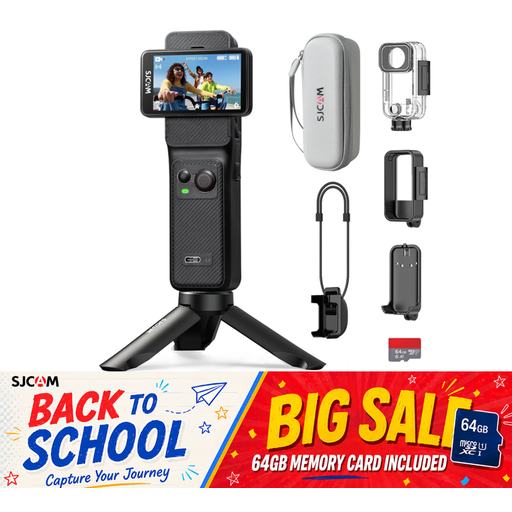
SJCAM C400 4K action camera
For shooting after rain, the product title states that it’s waterproof to 30 m with the housing; this doesn’t tell you anything about close-up magnification.
The title lists 20 MP photos, 6-axis stabilisation, a 7-hour battery life and two touchscreens.
View at Joybuy
 No image available
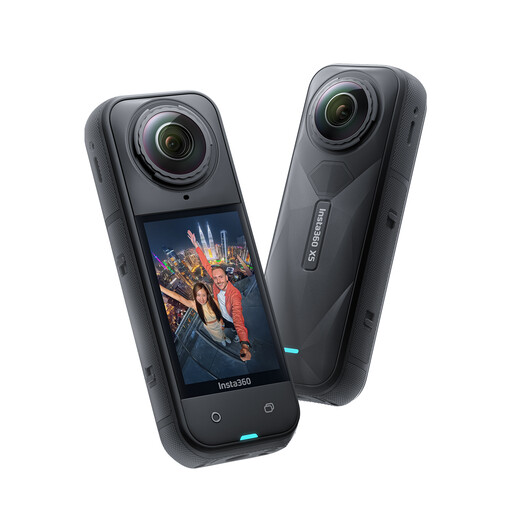
Insta360 X5 8K 360° action camera
For use in damp conditions, the product title states that it’s waterproof to 15 m without a housing; this doesn’t prove it’s suitable for macro shots of individual drops.
The title lists 8K 360° video, interchangeable lenses and a 3-hour battery life. Check the focus capabilities of the specific model for close-up photography.
View at Joybuy
 No image available
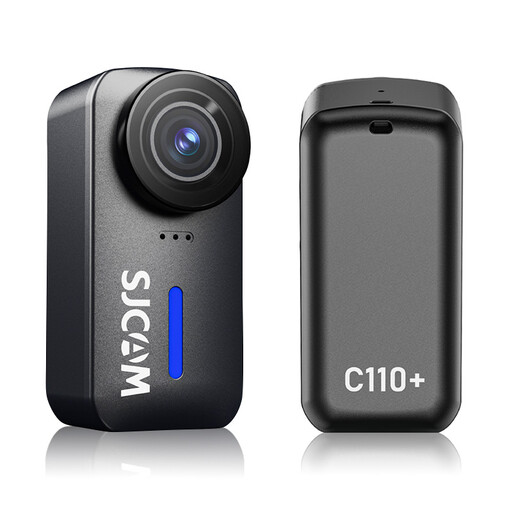
SJCAM C110+ 4K action camera
For shooting after rain, the product title states that it’s waterproof to 30 m with the housing; check the magnification ratio separately if you want to capture fine details in raindrops.
The title lists 20 MP photos, a 170° field of view, an f/1.8 aperture and 120 minutes of recording time. The stated dimensions are 6,4 × 3,1 × 3,3 cm.
View at Joybuy
 No image available
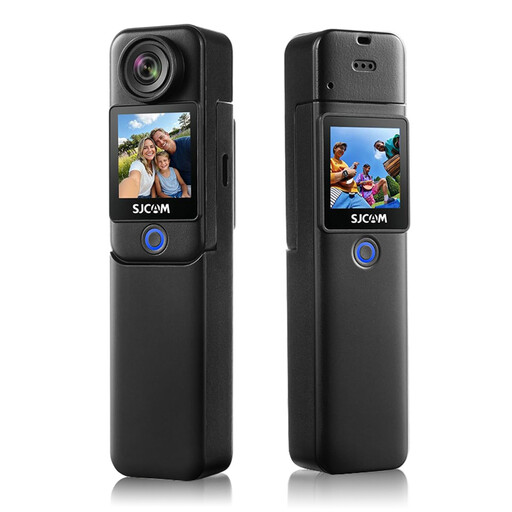
SJCAM C300 4K action camera
For shooting after rain, the product title states that it’s waterproof to 30 m with the housing; this doesn’t remove the need to check its close-focusing capability.
The title lists 20 MP photos, 6-axis stabilisation, a 1.3-inch touchscreen and a 460-minute battery life.
View at Joybuy
 No image available
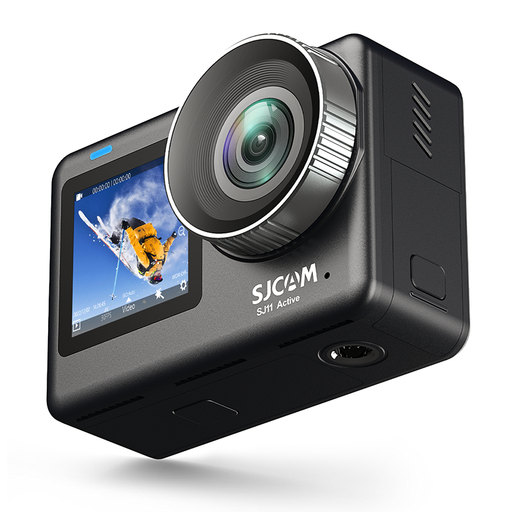
SJCAM SJ11 Active dual-screen action camera
For use in wet conditions, the product title gives different ratings: up to 5 m without a housing and up to 30 m with the waterproof housing.
The title lists 20 MP photos, 4K video at 30 fps, 6-axis stabilisation and two displays. Check the model’s focus capabilities separately if you want to take macro shots.
View at Joybuy
Frequently asked questions
Is a minimum focusing distance of 1 cm the same as 1:1 macro?
No. Focus distance describes how close a camera can focus; 1:1 refers to the ratio between the subject’s size and its image on the sensor. For the specific lens, also check the working distance in front of the lens. Sony Germany explains how these distances differ.
How should I set up my camera to photograph a drop on a leaf?
Set up the camera as steadily as possible, focus on the part of the drop you want to capture and check a test shot. If the leaf moves, both camera shake and subject movement can cause blur; Canon Academy recommends using a faster shutter speed to help prevent this.
Can focus stacking keep a leaf sharp if it’s swaying in the wind?
Focus stacking combines several shots taken at different focus points, so it’s better suited to a leaf that’s as still as possible. A tripod stabilises the camera, not the subject; movement between shots can make the images harder to combine.
What rights do I have when shopping online in Germany?
For a standard online purchase from a business, EU consumer information states that you generally have 14 days from delivery to cancel the order. There are exceptions, and return costs may apply. Faulty goods are covered by a legal guarantee of at least two years against the seller. These rights are separate from any additional manufacturer’s warranty.


