
Lieferung heute & morgen

Qualitätsgarantie

Willkommens-Angebote freischalten: KOSTENLOSE Lieferung | Bis zu 80 % RABATT | Kostenlose 30-Tage-JoyPlus-Testphase
App herunterladen
A make-up remover should reliably dissolve foundation, mascara, lipstick and SPF without leaving your skin feeling tight or unnecessarily irritating the delicate eye area. If your skin is sensitive, dry or prone to irritation, it’s especially worth checking the texture, ingredients and how to use the product.
Many disappointing purchases aren’t down to the price, but to unclear product claims. The points below can help you choose a gentle make-up remover or cleansing balm to suit your needs.
This claim is no substitute for checking the full INCI list. Fragrances, essential oils and certain preservatives may not suit everyone. If you have a sensitive eye area, look out for claims such as “ophthalmologically tested”, “fragrance-free” or suitable for contact lens wearers – where the manufacturer provides this information.
Waterproof mascara, long-wear eyeliner and SPF often contain oil- or silicone-based ingredients. A water-based make-up remover may not be strong enough, while vigorous rubbing can put extra strain on your skin. Two-phase formulas, cleansing oils, cleansing balms and creamy cleansing milks can often dissolve these products thanks to their texture and solvent ingredients.
A product that rinses off completely can feel comfortable on oily skin. But if your skin is dry, a very stripping cleanser may leave it feeling tight. Rich textures, on the other hand, may feel uncomfortable if your skin is prone to blemishes. If you’re looking for a non-comedogenic cleansing balm, check that this is clearly stated in the product description, and consider how your skin responds to it.
Depending on what you need, these options can work well for removing waterproof make-up:
For the eye area, check the specific product information. “For all skin types” doesn’t automatically mean a product is suitable for use around the eyes. Contact lens wearers should look for products that explicitly mention them in the description. If possible, remove your lenses before cleansing. If a product gets in your eye and causes discomfort, rinse with clean water and stop using it.
If you have dry skin, glycerine, panthenol, aloe vera or a creamy or balm-like base may be worth considering. If your skin is sensitive, a fragrance-free make-up remover may be a good choice. Natural ingredients aren’t automatically irritation-free, either. Manuka honey, Cica, cornflower water and tallow should also be assessed by checking the full ingredients list and considering how your skin responds.
The term tallow cleansing balm indicates a balm with a high fat content. This may feel comfortable on dry skin, but won’t suit everyone’s preferences. A patch test on a small area of skin can be a sensible step before regular use.
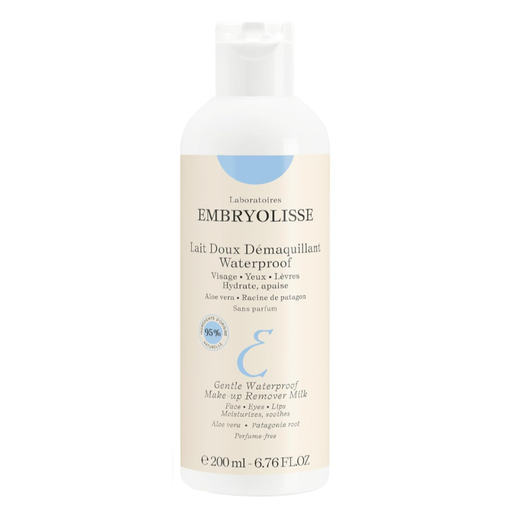
Why it suits this profile: This 200 ml cleansing milk is described as suitable for the face, eyes and lips, and for all skin types, including sensitive skin.
The product description specifically mentions waterproof make-up and use without vigorous rubbing. You should still check how well your skin tolerates it.
Creamy texture; according to the product information, it contains shea butter, beeswax, jojoba esters and aloe vera.
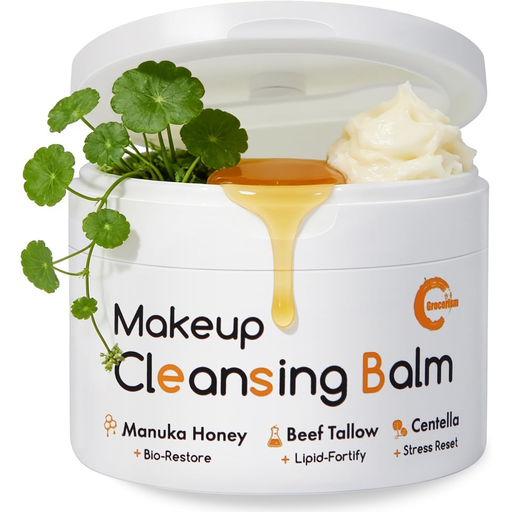
Why it suits this profile: This balm is designed to remove waterproof make-up and SPF, and is applied to dry skin.
Emulsifying the balm with water as directed may help prevent an oily film from being left behind. Check the formula first if you have any sensitivities to animal-derived ingredients.
According to the product description, it contains Manuka honey, Cica and grass-fed tallow; 3.53 oz contents and a spatula.
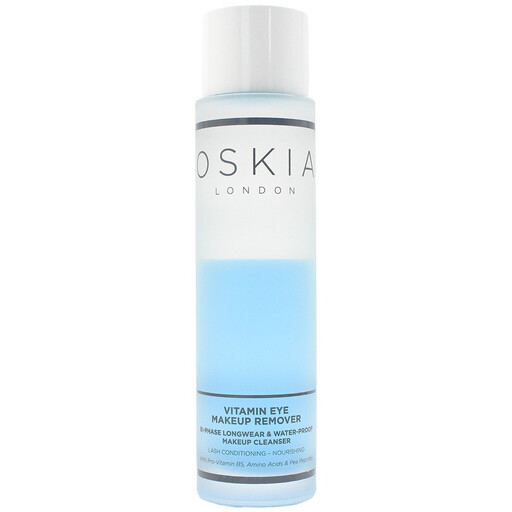
Why it suits this profile: This two-phase formula is designed for waterproof eye make-up and, according to the product information, is fragrance-free and suitable for contact lens wearers.
Holding the soaked cotton pad in place briefly is intended to give the formula time to work and reduce unnecessary tugging at the skin.
150 ml contents; according to the manufacturer’s description, it contains panthenol, amino acids and peptides, and is fragrance-free.
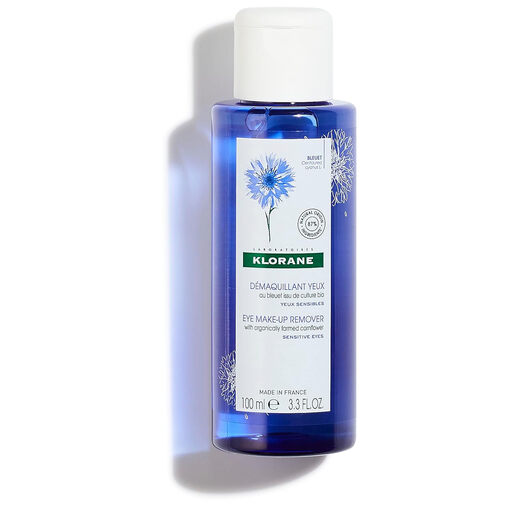
Why it suits this profile: According to the description, this eye make-up remover is based on cornflower extract from organic farming and is designed for sensitive eye areas.
The product description mentions a pH similar to tears and suitability for contact lens wearers. Follow the packaging instructions if the product comes into direct contact with your eyes.
100 ml contents; according to the product information, 87 per cent naturally derived ingredients and easy application with a cotton pad.
We’ve put together a complete, regularly updated list of products that meet these strict selection criteria and the safety regulations in force across the EU.
Two-phase eye make-up removers and oil-based textures are often suitable for waterproof mascara. The key is to choose a product that is specifically described as suitable for waterproof make-up. Holding the cotton pad in place briefly can make cleansing easier.
A cleansing balm can dissolve face make-up and sunscreen on dry skin. Emulsify and rinse it off as directed. Whether you need a second cleansing step depends on the product’s texture, the SPF formula and how your skin feels.
Check the best-before date and the PAO symbol on the packaging, for example “6M” or “12M”. Changes in smell, colour or consistency may indicate that the product is no longer in its best condition. If this happens, stop using it.