Choose a laptop based on where you work and the cataloguing software you use. For longer cataloguing sessions at a fixed workstation, a larger screen can be helpful, while a more compact device is easier to carry. Before buying, check the operating system, ports and how your software handles linked files. A larger SSD won’t automatically keep file links intact, and it’s no substitute for a backup.
Which workflow suits you?
Cataloguers at a fixed workstation
If you spend long periods checking catalogue fields against source documents, look for a screen that’s easy to read. Lenovo and HP list 16-inch and 14-inch displays respectively for the configurations described here.
Researchers working across collections
If you work in different locations, both portability and the workspace available on site matter. The documented device options range from 13 to 16 inches; the right balance depends on how you work.
People responsible for source files
If you use files on more than one computer, plan file paths, synchronisation and backups together. According to its own documentation, Zotero distinguishes between library data and attachments. The Federal Office for Information Security recommends planning for both backups and recovery.
What should you consider when choosing?
First, find out how your cataloguing software handles linked files. Then you can weigh up screen space, portability and ports to suit where you work.
Larger Windows laptop for a fixed workstation
A good fit if: You often want to view catalogue fields and source documents side by side.
The trade-off: A larger format takes up more room when you’re carrying it.
More compact Windows laptop for working in different locations
A good fit if: You regularly take your device with you and want to connect your existing peripherals.
The trade-off: The built-in screen offers less space; an external monitor may be useful for longer sessions.
MacBook Air for a macOS workflow
A good fit if: Your cataloguing and file management software works with macOS.
The trade-off: Check that your existing devices and specific software are compatible before you buy.
| Priority |
What to check when buying |
Who it matters most to |
| Linked source files |
Work out how much storage your collection needs and test file paths with sample files after migrating. Zotero documents the use of relative paths for files in the specified base directory. |
If I want to open files reliably after changing computers or folders, I check how my application handles this. Around 29% of consumers put accessible file links first. |
| Easy-to-read workspace |
Use a typical catalogue entry and source document to check that both are easy to read; consider an external monitor if needed. |
If I spend a long time comparing entries and documents, a practical display matters to me. Around 21% of consumers prioritise screen space. |
| Working in different locations |
Weigh up the device’s size and the workspace available where you’ll use it; consider how much battery life you need. |
If I catalogue collections in different places, I want a device that’s easy to carry and practical to set up. Around 14% of consumers prioritise portability. |
| Ports for existing devices |
Check that the ports on the exact laptop variant match the connectors and requirements of your drives or monitors. |
If I want to keep using my existing drives or monitor, I check the ports before buying. Around 14% of consumers focus on having the right device connections. |
| Backup and recovery |
Include catalogue data and source files in your backup plan, and test that you can restore them. With Zotero, distinguish between data and file synchronisation. |
If I want to keep using my collection after a fault or accidental deletion, I plan for backup and recovery. Around 22% of consumers prioritise being able to recover their data. |
Avoid common misconceptions
-
Confusing a large SSD with a complete backup
Local files can be lost if a device fails, is stolen or files are accidentally deleted. Storage space on your laptop alone won’t protect you from this loss.
Plan backups for your catalogue and source files, and test that you can restore the data.
A separate backup drive and regular recovery tests require extra management.
-
Assuming synchronised entries automatically include all linked files
According to its own documentation, Zotero distinguishes between synchronising library data and synchronising attachments. The base directory for linked files controls file paths, but doesn’t automatically transfer the files.
Before switching devices, test a few entries and their associated files on a second computer. For other programmes, check their own documentation.
Managing files and, where necessary, synchronising them separately require extra upkeep.
-
Assuming similar model names mean the same specification
The identifiers Dell Pro 15 Essential PV15250 and PV15255 refer to different model variants; details for one model don’t automatically confirm the specification of the other.
Before buying, check the full model identifier, configuration and ports you need.
Relevant brands at a glance
Lenovo
The documented ThinkPad E16 Gen 3 (AMD), model 21ST001YGE, is a 16-inch option for a larger workstation.
- For this variant, Lenovo lists 32 GB RAM, a 1 TB SSD and a matt WUXGA display.
- These details apply to the configuration specified and don’t confirm that it’s suitable for any particular cataloguing software.
HP
The ProBook 4 G1a 14, identifier AD2M8ET#ABD, is a more compact Windows business option.
- For this configuration, HP lists 24 GB RAM, a 512 GB SSD, USB-A, USB-C and HDMI.
- If you have a large number of local source files, check how much storage your collection needs.
Apple
The 13-inch MacBook Air with M5, described on Apple’s German product page, is an option for a compatible macOS workflow.
- Apple lists 16 GB of unified memory and a 512 GB SSD for the base configuration shown.
- This doesn’t mean that any particular cataloguing software or existing peripherals will be compatible.
Dell
Dell documents the Pro 15 Essential range, including model PV15255.
- Dell provides model manuals for PV15255.
- The documented identifier PV15255 is not the same as PV15250; check the specification for the exact variant.
Joybuy product selection
The laptop models below offer different screen sizes and specifications that may be useful for cataloguing. Check that the operating system, ports and storage suit your software and source files.
 No image available
Acer TravelMate TMP216-41-TCO, 16-inch
The 16-inch format may suit a fixed cataloguing workstation where a larger screen is useful.
- AMD Ryzen 3 PRO 7335U
- 16 GB DDR5
- 512 GB SSD
- WUXGA display
- AMD Radeon 660M
- Windows 11 Pro Education
View at Joybuy
 No image available
Lenovo ThinkPad E16 Gen 3 21ST, 16-inch
This 16-inch model may suit longer cataloguing sessions at a fixed workstation; check that the specific configuration works with your software.
- AMD Ryzen 7 250, 3.3 GHz
- 32 GB RAM
- 1 TB SSD, NVMe, TCG Opal Encryption 2
- Radeon 780M
- Windows 11 Pro
- 180° hinge design
View at Joybuy
 No image available
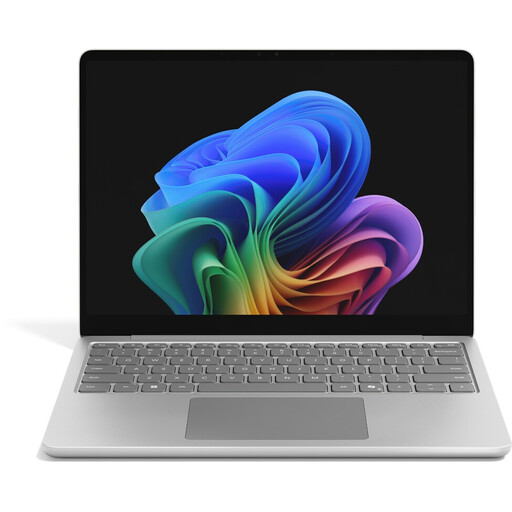
Microsoft Surface Laptop 8 Core Ultra 5, 24 GB, 512 GB, Platinum
May suit a workflow with catalogues and source files stored locally; check that your specific software is compatible first.
- Core Ultra 5
- 24 GB RAM
- 512 GB SSD
- Colour: Platinum
View at Joybuy
 No image available
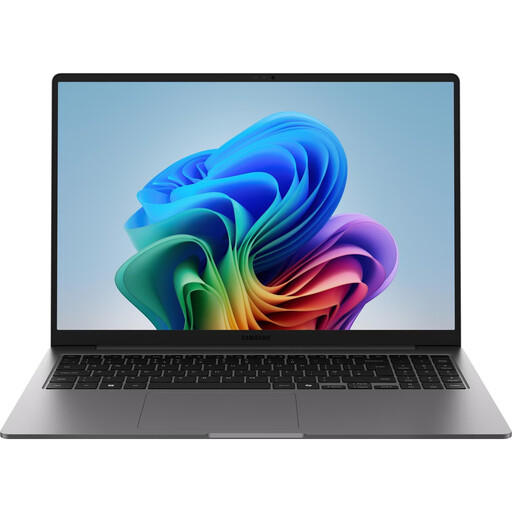
Samsung Galaxy Book6 Enterprise Edition, 16-inch
The 16-inch format may suit a cataloguing workstation with a larger built-in display; check that the ports match your existing devices.
- Intel Core Ultra 7 355
- 16 GB LPDDR5X RAM
- 512 GB NVMe SSD
- Windows 11 Pro
- RJ45
- Colour: Mocha Gray
View at Joybuy
 No image available
HONOR MagicBook X16 AMD 2025, 16-inch, German keyboard
The 16-inch format may be useful when working with catalogue entries and source documents on the same device.
- AMD Ryzen 5 6600H
- 16 GB RAM
- 512 GB SSD
- Colour: Cloud Gray
- German keyboard
View at Joybuy
Frequently asked questions
Does synchronising my catalogue also cover linked source files?
Not necessarily. Zotero distinguishes between synchronising library data and synchronising attachments. The base directory for linked files controls relative paths, but doesn’t automatically store or transfer the files. Check how the application you actually use handles this.
How do I set up a new laptop without losing file links?
Before moving over, test your cataloguing software’s file links on the new device. If you use Zotero with linked files, set up the documented base directory on the computers involved, then check a few entries and their files.
Do I need a separate backup drive as well as a laptop?
A separate backup drive can be part of a backup plan. The Federal Office for Information Security explains why keeping copies and testing recovery are important in case of a fault, deletion or theft. The capacity you need depends on the size of your collection.
Can I publish scans of all rare books?
Not simply because a book is rare or old. The German Patent and Trade Mark Office lists reproduction and making works available to the public among uses relevant to copyright. Check the status of each work and whether you have permission for the specific use. If personal data is involved, you’ll also need to consider data protection.


