
Lieferung heute & morgen

Qualitätsgarantie

Willkommens-Angebote freischalten: KOSTENLOSE Lieferung | Bis zu 80 % RABATT | Kostenlose 30-Tage-JoyPlus-Testphase
App herunterladen
The world of exotic drinks is fascinating and diverse. From tropical juices to Asian specialities with surprising textures, the selection is constantly growing. But with variety comes confusion. Anyone looking to order tropical juices online is often faced with a wall of colourful labels and tempting descriptions. This frequently leads to purchasing decisions that are later regretted.
As your Joybuy Product Recommendation Officer, I'll help you identify common pitfalls and make an informed choice. We'll focus on the facts so you can find exactly what you're looking for.
Before we get to the recommendations, it's important to be aware of the most common marketing traps. These often lead to disappointment in terms of taste and quality.
To avoid these pitfalls, a quick look at the label is often all it takes. Three criteria are crucial for objectively assessing the quality of a drink.
These terms are clearly regulated in the EU and provide direct information about the composition:
A high-quality ingredients list will feature fruit components like "fruit puree," "fruit pulp," or "juice from concentrate" near the top. Look for special features that indicate an authentic experience. Drinks with fruit pieces, such as Nata de Coco (coconut gel) or chunks in an aloe vera drink, offer an additional textural experience and are an indicator of a well-thought-out recipe.
Check the "of which sugars" line in the nutritional information table. A high value is not necessarily negative if the sugar comes mainly from the fruit itself. Be wary if terms like sugar, fructose syrup, glucose syrup, or corn syrup appear high up on the ingredients list. These indicate a high amount of added sweetness.
Based on these objective criteria, we have selected a few products for different preferences and requirements.
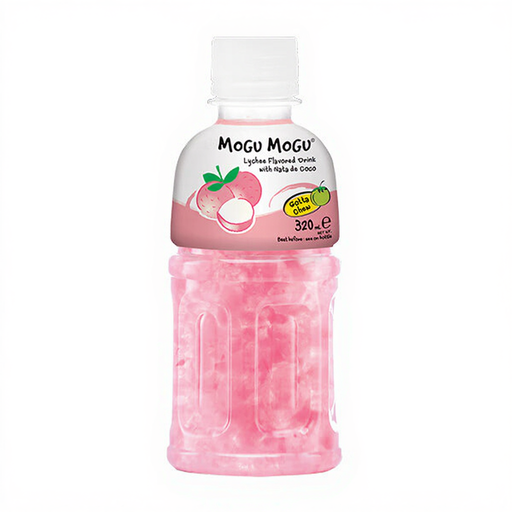
Why This Fits Their Persona: Ideal for anyone trying Asian drinks for the first time. The Mogu Mogu brand is widely known, and the lychee flavour is approachable and refreshing. It offers a gentle introduction to the world of drinks with texture.
The product is transparently declared as a "fruit-flavoured drink." The ingredients list shows 25% lychee juice and 25% coconut juice, which clearly manages expectations and avoids the "fruit juice illusion."
The unique selling point is the Nata de Coco pieces, which provide a fun, chewy experience while drinking. Those looking to buy Mogu Mogu are often seeking this specific feature.
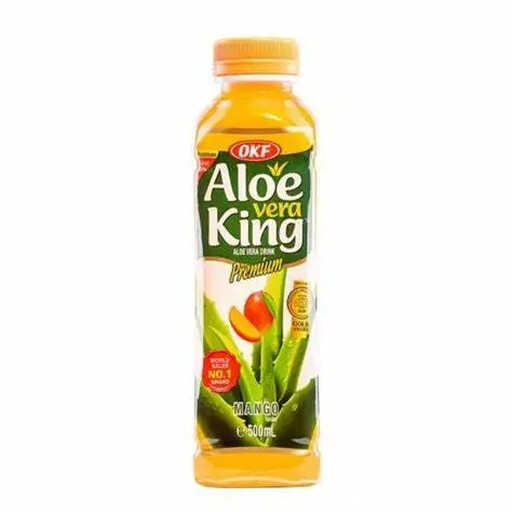
Why This Fits Their Persona: Perfect for consumers specifically looking for an aloe vera drink with noticeable fruit pieces. The combination of refreshing mango flavour and firm aloe chunks directly appeals to the desire for a tactile drinking experience.
The product name and ingredients list are very transparent. By stating "Aloe Vera 30%," the high proportion of real pieces is clearly communicated, preventing false expectations of a pure juice.
The high 30% aloe vera content provides a distinct texture that is less intense in many other aloe drinks. The combination with mango flavour is a popular and proven taste variation.
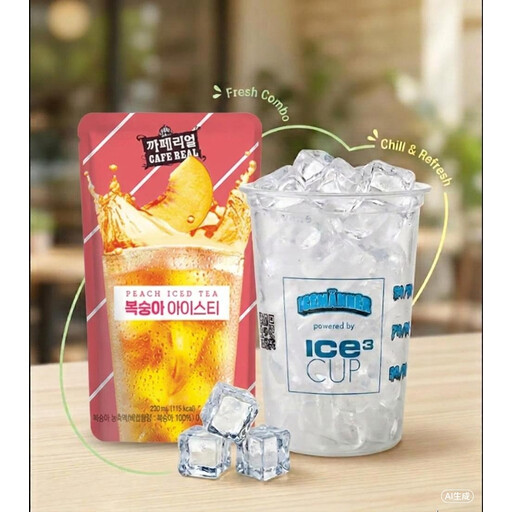
Why This Fits Their Persona: This product brings the trend of Korean drinks straight to your home. The innovative pouch packaging, which you pour over a cup of ice, is more than just a drink—it's an experience, ideal for social media-savvy users.
The product is clearly marketed as an "Iced Tea," placing the focus on the refreshing experience rather than on high fruit content. The description highlights the combination of black tea and peach juice concentrate.
The unique consumption format (pouch + ice cup) offers an authentic Korean convenience experience. It's practical for on-the-go and an eye-catcher.
We have compiled a complete, up-to-date list of products that fully meet these strict selection criteria and UK/EU regulations.
What exactly is Nata de Coco? Nata de Coco is a chewy, jelly-like food produced by the fermentation of coconut water. In drinks, it is cut into small cubes and provides a firm, interesting texture. It is neutral in taste and absorbs the flavour of the surrounding beverage.
How should I store opened Asian drinks? Most of these drinks contain few or no preservatives. After opening, they should always be stored in the refrigerator and, as usually indicated on the packaging, consumed within 2-3 days to ensure freshness and quality.
Do exotic drinks always contain a lot of sugar? Not necessarily. The sugar content varies greatly from product to product. While some are designed as sweet refreshments, others focus on an authentic fruit taste with less added sweetness. A look at the nutritional information and the ingredients list is the most reliable way to find a product that suits your personal preferences.