For small portions of raspberry coulis, a stick blender with a suitable beaker is usually the more space-saving choice. If you regularly make larger quantities or other blended drinks, a countertop blender may be worth considering. For a sauce with as few seeds as possible, strain it after blending; more motor power alone will not do the job. Also check which parts of the specific model can be removed and how they should be cleaned.
Which option is right for you?
Small portions of coulis
If you’re blending just a modest amount after a trip to the farmers’ market and don’t want to get out a large appliance, a stick blender with a suitable beaker can be handy. The SWR describes stick blenders as easy to handle and particularly well suited to small quantities.
A sauce with as few seeds as possible
If a smooth dessert sauce matters to you, allow for blending and straining as two separate steps. In its raspberry recipe, Dr. Oetker blends the fruit before pushing it through a sieve.
Regular cleaning
If you use your blender often, check the instructions to see whether the blending foot, container and blade assembly can be removed and are dishwasher-safe. This can vary by part and model.
What should you look for when buying?
For raspberry coulis made with fruit from the farmers’ market, start by considering the quantity you usually prepare and the space you have available. If you want a sauce with as few seeds as possible, you’ll need a sieve whatever type of blender you choose.
| What matters to you |
What to look for when buying |
Who is this particularly important to? |
| Small quantities, limited space |
Check that the container shape and handling suit your usual portion; if you’re choosing a stick blender, look for a suitable beaker too. |
If I’m making just a small amount after visiting the market, I don’t want to get out a large appliance. Around 29% of consumers prioritise small portions and limited space. |
| Smooth sauce |
Allow for a sieve as a separate step after blending; blending power is no substitute for straining. |
If I want to avoid bits of raspberry seed, I make sure to strain the sauce after blending. Around 29% of consumers put a smooth sauce at the top of their list. |
| Easy cleaning for frequent use |
Check each part separately to see whether it can be removed and is dishwasher-safe according to the instructions; also consider how easy the blade assembly is to access. |
If I use my blender regularly, I want to be able to clean the parts that come into contact with food properly, following the instructions. Around 24% of consumers place particular importance on easy cleaning. |
| Larger batches |
Make sure the container capacity suits the quantities you usually prepare, and allow for the extra space the appliance will need. |
If I make larger quantities or other blended drinks, having the right container capacity matters to me. Larger batches and other blending tasks account for around 18% of consumer priorities. |
Common buying misconceptions
-
More watts automatically mean seed-free coulis
Blending breaks down the raspberries, but it has not been shown to remove the seeds. For a sauce that’s as smooth as possible, straining is a separate step.
Choose the type of blender to suit the quantity and how you like to use it, and make sure you have a suitable sieve.
You may also need a fine-mesh sieve for straining.
-
A dishwasher-safe claim applies to every part
Not necessarily: in its stick blender test, COMPUTER BILD describes the blending foot on the Kenwood HDP106WG as not dishwasher-safe.
Check the cleaning instructions for each individual part in the manual for the specific model.
-
A large jug is automatically suitable for small quantities
The stated capacity doesn’t tell you whether very small amounts of berries will blend well in the container. A large countertop blender also takes up more worktop space than a stick blender.
Before choosing a larger jug, compare your usual batch size with the container shape and the instructions.
Key brands at a glance
Kenwood
The Triblade range includes stick blenders for smaller blending tasks. For the HDP106WG, Kenwood specifies a metal blending foot and a 700-ml measuring beaker.
- Kenwood specifies a 600-W motor and a speed setting with a turbo function for the HDP106WG.
- COMPUTER BILD rates its ease of use and blending results positively, but notes that the blending foot is not dishwasher-safe.
Braun
The MultiQuick 5 Pro is a stick blender option. The accessories vary by model; Braun lists a blending and measuring beaker for the MQ 55001 M.
- COMPUTER BILD describes the MQ 55001 M as quiet in its test.
- The test finds it a little fiddly to clean. The manufacturer’s claims about smooth results don’t prove that it will remove raspberry seeds from coulis.
Severin
According to the manufacturer, the SM 3773 combines a removable stainless steel blending shaft with a blending container and lid, with a capacity of 0.7 l.
- Severin specifies 1,000 W and variable speed control for this model.
- COMPUTER BILD describes the appliance as compact, but noted food getting stuck in the blade housing during its test, among other things.
Bosch
The VitaPower range includes the MMB6382M countertop blender with a 1.5-l jug and the MMB2111S mini blender with a 0.6-l on-the-go container.
- Bosch specifies a glass jug and removable blades for the MMB6382M; the accessories for the MMB2111S can be taken apart.
- The different container sizes can help you choose the right type of blender, but they don’t prove that it can handle very small quantities of coulis or produce a seed-free sauce.
WMF
The Kult X Mix & Go is a compact countertop blender alternative if you want to make individual drinks as well as coulis.
- For the model in question, WMF specifies 300 W and a 0.6-l container.
- Its on-the-go features may be useful for drinks, but there’s no proven advantage when it comes to straining coulis.
Joybuy products for small portions of coulis
The stick blenders below are intended for blending smaller portions of coulis. Before buying, check that the features and cleaning requirements suit the way you prepare it. You’ll still need a sieve for a sauce with as few seeds as possible.
 No image available
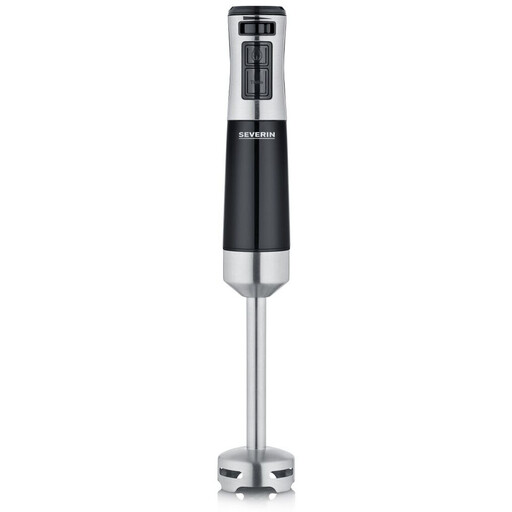
Severin SM 3771 stick blender, 600 W
The stick blender design can be handy for smaller portions, and the blending shaft is removable.
600 W; variable speed control; removable blending shaft described as dishwasher-safe.
View at Joybuy
 No image available
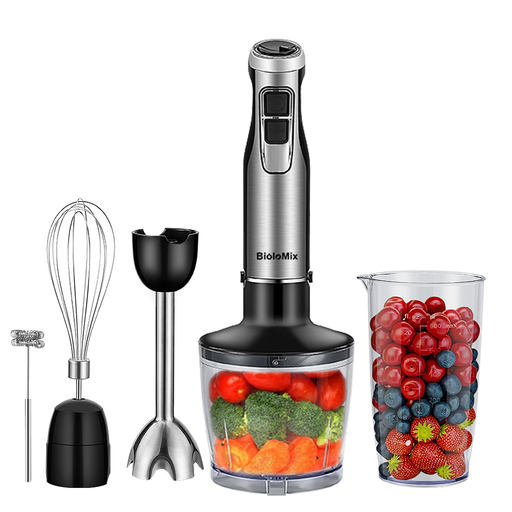
BioloMix HB1200 4-in-1 stick blender
With its blending function, this model could suit smaller portions of coulis.
1,200 W; six speed settings; stainless steel blade; removable design.
View at Joybuy
 No image available
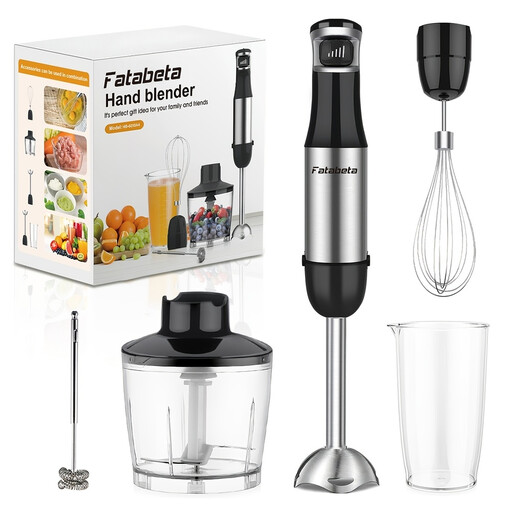
6-in-1 stainless steel stick blender
The blending function is useful when preparing a portion of coulis; check that the included accessories meet your other needs.
Five speed settings; blending beaker; one-button accessory release system.
View at Joybuy
 No image available
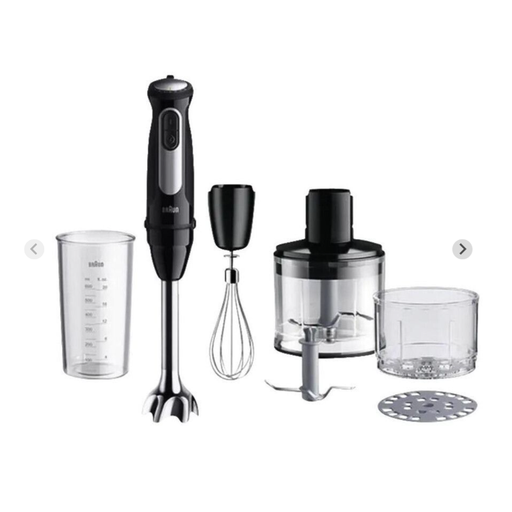
Braun MultiQuick Pro MQ55254M
The stick blender design makes it an option for blending smaller portions; check the cleaning instructions for the accessories included with your model.
25 speed settings with turbo; accessories described as dishwasher-safe.
View at Joybuy
 No image available
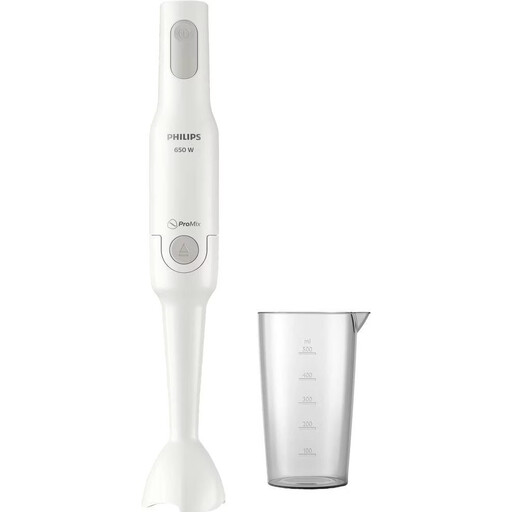
Philips HR2531/00 stick blender, 650 W
This stick blender is described as suitable for purées and sauces, so it may be an option for smaller portions of coulis.
650 W; blending beaker; one-button accessory release; removable parts described as dishwasher-safe.
View at Joybuy
Frequently asked questions
Will a particularly powerful blender remove raspberry seeds?
No, blending power is no substitute for straining. If you want to serve a sauce with as few seeds as possible, blend the raspberries and then push them through a sieve, as in Dr. Oetker’s recipe.
Which parts should I clean after blending?
Clean the parts that come into contact with food according to the instructions for your model. Check specifically whether the blending foot, beaker and blade assembly can be removed or are dishwasher-safe; a claim for the appliance as a whole doesn’t automatically apply to every part.
What should I know about faults or buying online in Germany?
Your statutory rights if goods are faulty are separate from any voluntary guarantee. For ordinary goods, claims for defects generally become time-barred two years after delivery (§ 438 BGB). Online purchases are also generally subject to a 14-day right of withdrawal, although the conditions and exceptions must be considered in each case. Verbraucherzentrale explains these differences; the limitation period is set out in the German Civil Code.
What markings and documents should I check for on an electric blender?
As part of its market surveillance, the Bundesnetzagentur lists the CE marking, identification of the product and manufacturer, and German-language instructions with the necessary warnings among the things to check. The CE mark is based on the manufacturer’s declaration of conformity; it is not an independent quality mark for blending performance.


