If you want a smooth sauce
If you want to serve raspberry coulis without the seeds, straining it through a fine-mesh sieve is part of the process. Dr. Oetker’s recipe also recommends doing this after blending.


For seedless raspberry coulis, a stick blender used in a tall, stable container is often a practical choice. For a smooth texture, you’ll then need to push the purée through a fine-mesh sieve, as Dr. Oetker’s recipe also recommends. A jug blender may be a better fit if you regularly blend larger quantities or other foods and have room for the jug and cleaning. The SWR lists quantity, worktop space and ease of use as important factors when choosing. For frozen berries, the German Federal Institute for Risk Assessment recommends heating them evenly and thoroughly before eating.
If you want to serve raspberry coulis without the seeds, straining it through a fine-mesh sieve is part of the process. Dr. Oetker’s recipe also recommends doing this after blending.
When making several portions, it’s worth checking that the recipe quantity suits the container and considering whether you’ll need to blend in batches. The SWR describes stick blenders as practical for smaller quantities; a larger jug may be useful if you regularly prepare bigger batches.
For the occasional batch of coulis, compact storage and how easy the particular blending foot is to clean may matter more than accessories for lots of other tasks. The SWR highlights how little space stick blenders take up.
A good fit if: You make coulis occasionally in a tall, stable container and want to put the appliance away afterwards.
Things to consider: Larger quantities may need to be blended in batches, and you’ll still need a sieve to make seedless coulis.
A good fit if: You regularly make larger quantities, or also prepare smoothies and purées.
Things to consider: The jug, worktop space and cleaning all need room; a jug blender won’t remove raspberry seeds automatically.
For raspberry coulis, Dr. Oetker’s recipe recommends pushing the puréed berries through a sieve. When choosing between a stick blender and a jug blender, the SWR points to quantity, space requirements and ease of use.
| Buying priority | What to check | Who is it important to? |
|---|---|---|
| Smooth, seedless sauce | Allow for a suitable blending container and a fine-mesh kitchen sieve. | If I want to serve a smooth sauce without bothersome seeds, I’ll plan to strain it through a fine-mesh sieve. Around 33% of consumers prioritise a seedless texture. |
| The right quantity for the family | Check the recipe quantity against the container capacity, fill markings and whether you may need to blend in batches. | When cooking for several people, I want to know whether my recipe will fit in the container or whether I’ll need to blend it in batches. Around 25% of consumers put making the right quantity for a family meal first. |
| Less cleaning and storage space | Check the instructions for the specific model to find out how to clean the blending foot, beaker, blade area and motor unit. | If I only make coulis occasionally, I want to be able to clean the appliance easily and put it away afterwards. Around 25% of consumers prioritise minimising cleaning and storage requirements. |
| Other blending tasks | Choose the accessories and container based on what else you regularly prepare besides coulis. | If I want to use my blender for other regular kitchen tasks too, I’ll check that the accessories are suitable. Around 17% of consumers place the greatest importance on these additional uses. |
Blending breaks down the berries, but it doesn’t remove the seeds from the sauce. Dr. Oetker’s recipe treats puréeing and straining as two separate steps.
Choose a blender to suit the quantity and how you’ll use it, and allow for a fine-mesh sieve if you want seedless coulis.
Straining adds an extra step and more washing up.
Frozen berries may carry pathogens. The German Federal Institute for Risk Assessment recommends heating them evenly and thoroughly before eating.
If you’re using frozen raspberries, allow time to heat them and, if needed, cool them afterwards.
Cleaning instructions vary by model. COMPUTER BILD notes that the blending foot on the Kenwood HDP106WG it tested is not dishwasher-safe.
Check the care instructions for the full model code and each individual part.
The right type of blender depends on the recipe quantity and the other tasks you regularly use it for. A larger appliance also takes up more space and requires more cleaning.
Compare the actual container size with the tasks you regularly do, rather than choosing based on capacity or accessories alone.
The Triblade HDP106WG is a stick blender supplied with a 700 ml beaker, according to Kenwood Germany.
The ErgoMaster range includes the MSM6M8X1 stick blender, with a removable metal blending foot and accessories for other tasks.
The MultiQuick 5 Pro MQ 55001 M is a stick blender option; Braun has a support page for this exact model.
The cordless Go stick blender 5KHBRV75BM is an option if freedom of movement and other kitchen accessories matter to you.
The Kult Pro 1.8 l jug blender is an option for larger quantities and other purées.
This selection includes stick and jug blenders for puréeing raspberries. You’ll still need to strain the mixture through a fine-mesh sieve to make seedless coulis.
 No image available
This jug blender comes with several containers, making it an option for larger quantities or other blending tasks.
 No image available
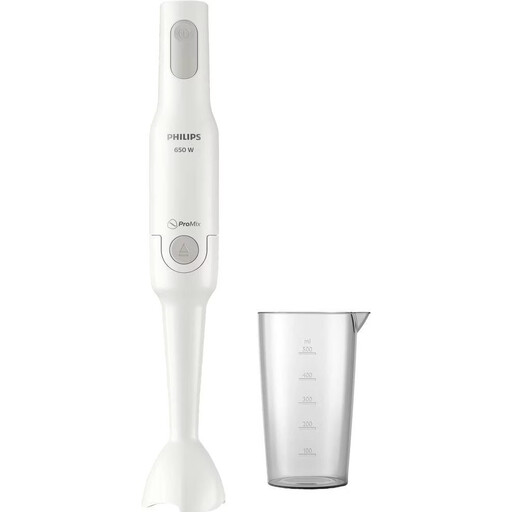
This stick blender comes with a beaker, making it an option if you want to purée coulis in a container.
 No image available
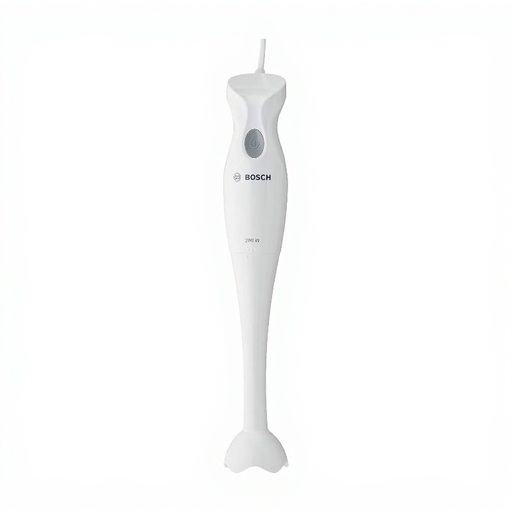
The product description recommends using a tall, narrow container to purée raspberries.
 No image available
This stick blender and beaker are described as suitable for purées; the additional accessories may come in handy for other kitchen tasks.
 No image available
According to the product description, this stick blender is suitable for soft fruit and comes with a beaker.
For seedless raspberry sauce, push the puréed fruit through a fine-mesh sieve. No wattage or speed setting can replace this step; Dr. Oetker’s recipe also recommends straining after puréeing.
The German Federal Institute for Risk Assessment recommends heating frozen berries evenly and thoroughly before eating, as they may be contaminated with norovirus. You can then leave the sauce to cool before serving.
It depends on the model and its care instructions: COMPUTER BILD says the foot of the Kenwood HDP106WG is not dishwasher-safe. The instructions for the Severin SM 3773 warn that hot liquids can release steam suddenly and say to unplug the appliance before cleaning. Always follow the instructions for your specific appliance.