
Lieferung heute & morgen

Qualitätsgarantie

Willkommens-Angebote freischalten: KOSTENLOSE Lieferung | Bis zu 80 % RABATT | Kostenlose 30-Tage-JoyPlus-Testphase
App herunterladen
The search for the right raspberry drink can quickly become overwhelming. The market offers everything from sugar-free vitamin water and high-yield syrups to ready-made soft drinks. However, not every product that promises a fruity experience delivers on its initial appeal. Many consumers unwittingly fall into cost or quality traps.
This guide will help you separate the wheat from the chaff. We'll show you the most common pitfalls to avoid and the key features to look for, enabling you to make an informed decision that suits your needs.
Before you choose a product, you should be aware of common marketing tactics and hidden disadvantages that often lead to disappointment.
To make the right choice, focus on objective and verifiable product features. The following three parameters are crucial for quality, cost, and suitability.
The composition of sweeteners determines not only the calorie content but also the taste and digestibility.
The base of the drink and its added substances are a clear indicator of quality.
The product's form has a direct impact on cost, convenience, and versatility.
Here are some product recommendations tailored to specific needs and lifestyles.
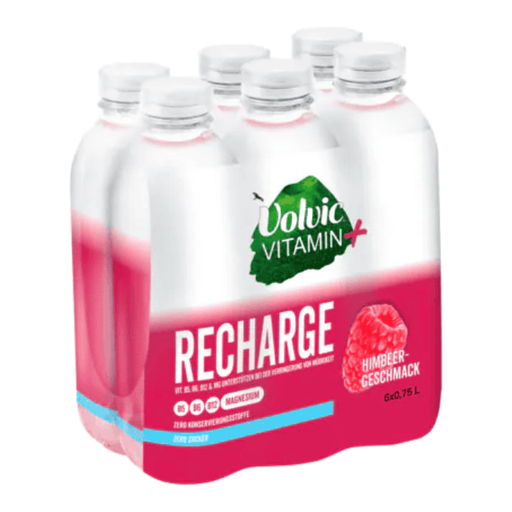
Why this product is a great fit: Ideal for those seeking a quick, sugar-free refreshment after sports or on a busy day. The added B vitamins and magnesium support energy metabolism and muscle function.
This drink is explicitly declared as sugar-free and calorie-free, thus avoiding the hidden sugar trap. The ingredients list is transparent and clearly names the sweeteners.
Based on natural Volvic mineral water and enriched with magnesium and vitamins B3, B5, B6, B7, and B9.
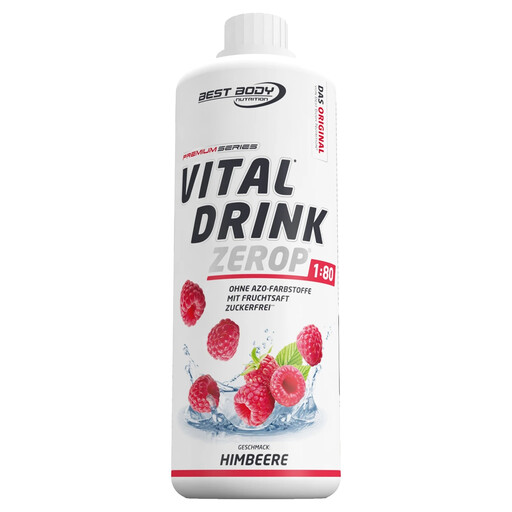
Why this product is a great fit: For families looking for a cost-effective and sugar-free alternative to traditional soft drinks. The large 1-litre bottle is extremely high-yield and makes many servings, making daily consumption predictable and affordable.
This concentrate solves the unclear yield trap with a clear 1:80 mixing ratio. A 1-litre bottle produces approx. 80 litres of finished drink, making the cost per litre transparent.
Extremely high yield, sugar-free, and suitable for soda makers. Contains added B vitamins and is free from synthetic colourings.
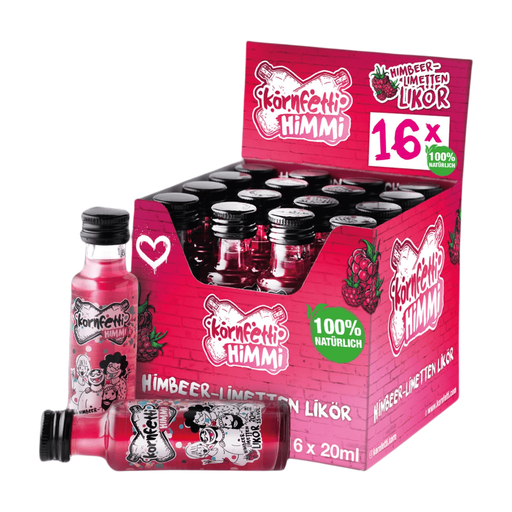
Why this product is a great fit: For parties, celebrations, or as a small gift. This Raspberry Liqueur combines fruity flavour with a light lime note and is designed as a shot, making it an uncomplicated companion for social gatherings.
This product is clearly declared as a liqueur with 15% ABV. It doesn't try to be a refreshment or health drink, making it transparent in its purpose and composition.
Practical, pocket-sized mini shot bottles. A combination of wheat spirit, raspberry, and lime flavour for a fruity yet tart experience.
We have compiled a complete, up-to-date list of products that fully meet these strict selection criteria and UK regulations.
1. How do I properly store an opened bottle of raspberry drink syrup? Opened syrup bottles should be stored tightly sealed in the refrigerator. Most manufacturers recommend consuming the product within 4 to 8 weeks of opening to ensure flavour quality and microbiological safety. Always follow the specific instructions on the product label.
2. Can I use raspberry drink concentrates in a soda maker? Yes, many concentrates and syrups are explicitly suitable for use in soda makers. The correct order is important: always carbonate the plain water first and only then add the syrup. Adding the syrup before carbonating can cause excessive foaming and damage the appliance.
3. Are sugar-free raspberry-flavoured drink powders suitable for children? This depends on the ingredients. Products sweetened only with sweeteners like sucralose or stevia are generally considered safe in moderation by official bodies like the German Federal Institute for Risk Assessment (BfR). However, be mindful of products containing caffeine (e.g., from green or black tea extract), as these are not recommended for children. A general recommendation is to limit children's consumption of sweet drinks and to promote water as the primary thirst quencher.