
Lieferung heute & morgen

Qualitätsgarantie

Willkommens-Angebote freischalten: KOSTENLOSE Lieferung | Bis zu 80 % RABATT | Kostenlose 30-Tage-JoyPlus-Testphase
App herunterladen
A good ratchet wrench is the heart of any workshop. But the market is confusing and full of tempting offers that later prove to be useless. Before you invest in a new tool or a complete set, it's crucial to know the typical pitfalls that often lead to frustration and unnecessary expenses. This guide will help you separate the wheat from the chaff and make an informed decision.
Many buyers focus on superficial features or pure marketing promises. However, the true indicators of quality lie in the details. Here are three common mistakes you should avoid:
To find the right ratchet for your needs, you should carefully examine three core aspects. These determine the functionality, longevity, and application range of your tool.
The drive size, which is the square dimension onto which the sockets are fitted, is the most important criterion for the area of application.
The fineness of the mechanism determines its practicality in tight spaces.
Depending on your needs, a single tool or an entire set might be the right choice.
Based on the criteria mentioned, we have identified some products that are suitable for specific user groups.
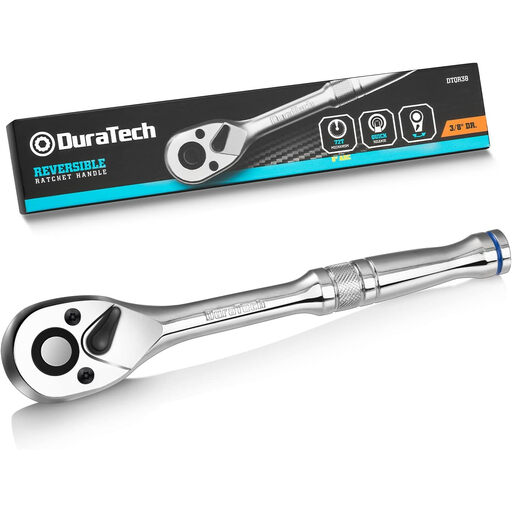
Why This Fits Their Persona: Ideal for DIY enthusiasts who want maximum flexibility without buying three separate ratchets. With 1/4", 3/8", and 1/2" drives, it covers the most common applications for cars, motorcycles, and household tasks.
The ratchet head is made of CR-MO steel, and the torque limits for each drive are clearly specified, which prevents overloading and premature wear.
Combines three tools in one, saving space and money. The 72-tooth mechanism with a 5° swing arc is well-suited for most jobs.
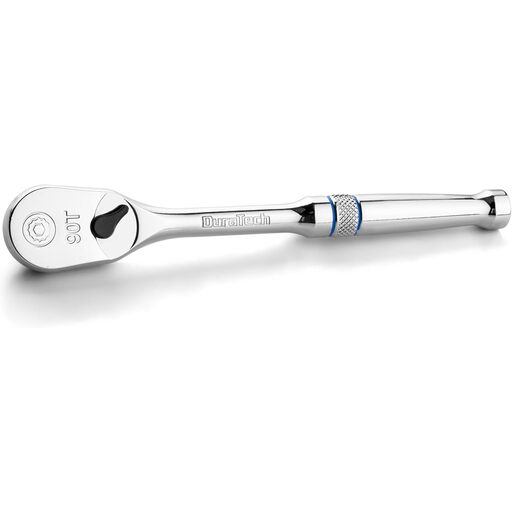
Why This Fits Their Persona: Perfect for mechanics who frequently work in tight and dirty environments like engine bays. The fine mechanism and sealed head are decisive advantages here.
With 90 teeth and only a 4° swing arc, this model bypasses the limitations of coarse ratchet mechanisms. The fully sealed head protects against dirt and extends its service life.
Enables efficient work in the tightest of spaces. The polished chrome finish is easy to clean and resistant to corrosion.
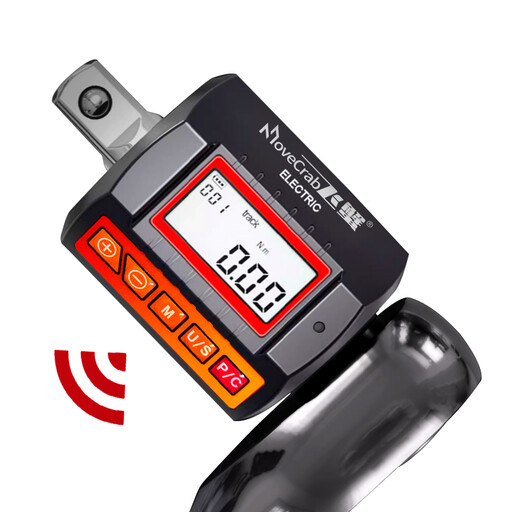
Why This Fits Their Persona: For anyone working on safety-critical components like the engine, brakes, or suspension who must adhere to the manufacturer's exact torque specifications. A cost-effective alternative to an expensive digital torque wrench.
This tool directly addresses the problem of uncontrolled tightening. It prevents over-torquing of bolts and the associated damage by providing precise measurements and an alarm.
High accuracy (±2% clockwise), multiple units (Nm, lbf.ft, etc.), and included adapters for 1/4" and 3/8" make it extremely versatile.
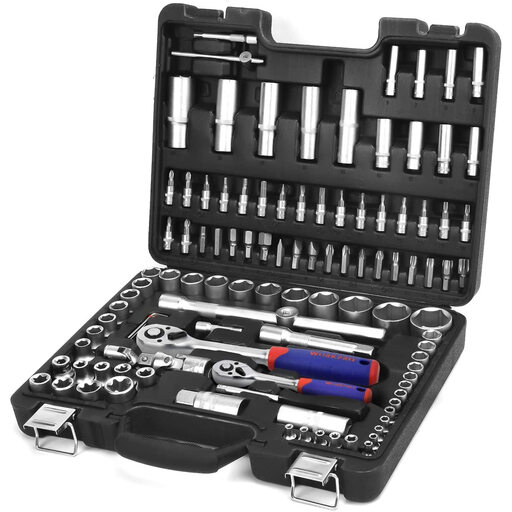
Why This Fits Their Persona: The ideal starter kit for anyone looking for a comprehensive solution for various repair and maintenance jobs. With 1/4" and 1/2" drives and a wide variety of sockets and bits, this socket set covers almost all common tasks.
The set is made of Chrome Vanadium steel, and the ratchets feature a 72-tooth mechanism. It offers solid material and build quality that is far superior to that of no-name discount store sets.
Comprehensive scope of delivery in a robust and well-organised case. The value for money for a complete automotive tool set is a decisive factor here.
We have compiled a complete, up-to-date list of products that fully meet these strict selection criteria and applicable safety regulations.
1. How much torque can a standard ratchet handle? The maximum torque depends heavily on the drive size and material quality. As a rough guideline: 1/4-inch ratchets are designed for torques up to approx. 60-80 Nm, 3/8-inch ratchets for approx. 200-300 Nm, and 1/2-inch ratchets for 450 Nm and more. Always check the manufacturer's specifications to avoid damage. The values of the DURATECH 3-in-1 model (84 Nm for 1/4", 304.5 Nm for 3/8", 350 Nm for 1/2") are a good reference point.
2. Is a socket set a good idea for a beginner? Yes, a well-stocked socket set is an excellent choice for beginners. It offers a wide range of tools for various tasks at a price that is often more affordable than buying them individually. A set like the one from WORKPRO ensures you are equipped for most common repairs and won't find yourself missing a specific socket size mid-project.
3. How do I properly maintain my ratchet to extend its lifespan? Proper care is simple but effective. Keep the tool clean and wipe it dry after use, especially after contact with oil or dirt. The ratchet mechanism should be occasionally lubricated with a few drops of light machine oil to ensure smooth operation. Store the tools in a dry place, ideally in the case they came in, to protect them from moisture and impacts.